
Hebei Messi Biology Co., Ltd. states that magnesium sulfate (MgSO4) is a common inorganic magnesium salt that typically exists in heptahydrate or anhydrous forms. Characterized by its high water solubility, stable properties, low toxicity, and environmental friendliness, it serves as an indispensable functional additive in the dye and textile printing industry, often referred to as the “unsung hero” of the dyeing process. Although it does not directly provide color, it significantly enhances dye utilization, leveling (uniformity), and color fastness, while optimizing production processes and reducing costs and pollution.
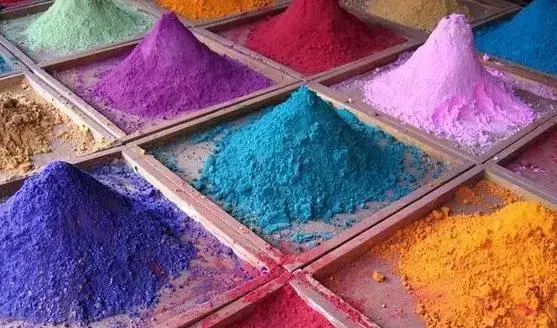
In dye applications, the core functions of magnesium sulfate are dye promotion and color fixation. Both fibers and dye molecules often carry negative charges, leading to mutual repulsion, which results in slow coloring and poor fixation. When dissolved in water, magnesium sulfate dissociates into magnesium ions (Mg2+), which neutralize the negative charges on the fiber surface. This weakens the repulsive forces, allowing the dye to be more easily adsorbed and penetrate the interior of the fiber, thereby substantially increasing the dye uptake rate. Simultaneously, magnesium ions can form stable complex structures with dyes and fibers, strengthening the bonding force. This makes the fabric more resistant to washing and friction, prevents fading, and can reduce dye consumption by 10%–15%, balancing quality with economic efficiency.
Furthermore, it acts as a pH buffering agent for the dye bath, stabilizing the dyeing environment. Dyes are sensitive to acidity and alkalinity; pH fluctuations can easily lead to hydrolysis, color shifts, or uneven dyeing. The aqueous solution of magnesium sulfate is neutral, allowing it to precisely maintain the dye bath pH within a mild range of 6–7. This avoids drastic changes in acidity or alkalinity and ensures stable color development. It is particularly suitable for sensitive fibers such as cotton, linen, and silk, effectively preventing defects like color spots or chromatic aberration.
In the dye synthesis stage, magnesium sulfate is equally critical. As a reaction auxiliary and stabilizer, it is used in the preparation of azo dyes and reactive dyes to maintain system pH stability, inhibit side reactions, and improve dye purity and yield. High-purity industrial-grade magnesium sulfate contains fewer impurities, ensuring it does not affect the hue or purity of the dye, thus guaranteeing the quality stability of the finished product.
Magnesium sulfate for dyes is categorized into anhydrous and heptahydrate forms, selected based on specific needs. Anhydrous magnesium sulfate, with a purity of ≥99% and strong hygroscopicity, is suitable for drying processes and high-requirement dyeing. Magnesium sulfate heptahydrate is favored for general printing and dyeing due to its excellent solubility and cost-effectiveness. Both types dissolve easily without producing precipitation, facilitating liquid preparation and automated control.
Environmental protection and safety are its standout advantages. Magnesium sulfate contains no volatile harmful substances, possesses good biodegradability, and the resulting wastewater is easy to treat, helping to reduce COD (Chemical Oxygen Demand) and colority in line with green textile trends. Compared to traditional heavy-metal-based additives, it is safer, less corrosive to equipment, and perfectly suited for modern clean production.
From dye synthesis to fabric dyeing, magnesium sulfate permeates the entire process with its stable, efficient, and low-cost characteristics. By enhancing coloring effects, saving raw materials, and reducing pollution, it supports the quality upgrading of colorful textiles. This seemingly ordinary inorganic salt empowers the dye industry with a low profile, becoming an irreplaceable basic additive for modern textile printing and dyeing, while providing a simple and efficient solution for green manufacturing.