
It has been several days since the Spring Festival. Running around between relatives’ homes and various social gatherings during this time has left me feeling only one word, both physically and mentally—tired. At this very moment, this editor just wants to turn on the TV and do the “Ge You slouch” (lounge like a couch potato).
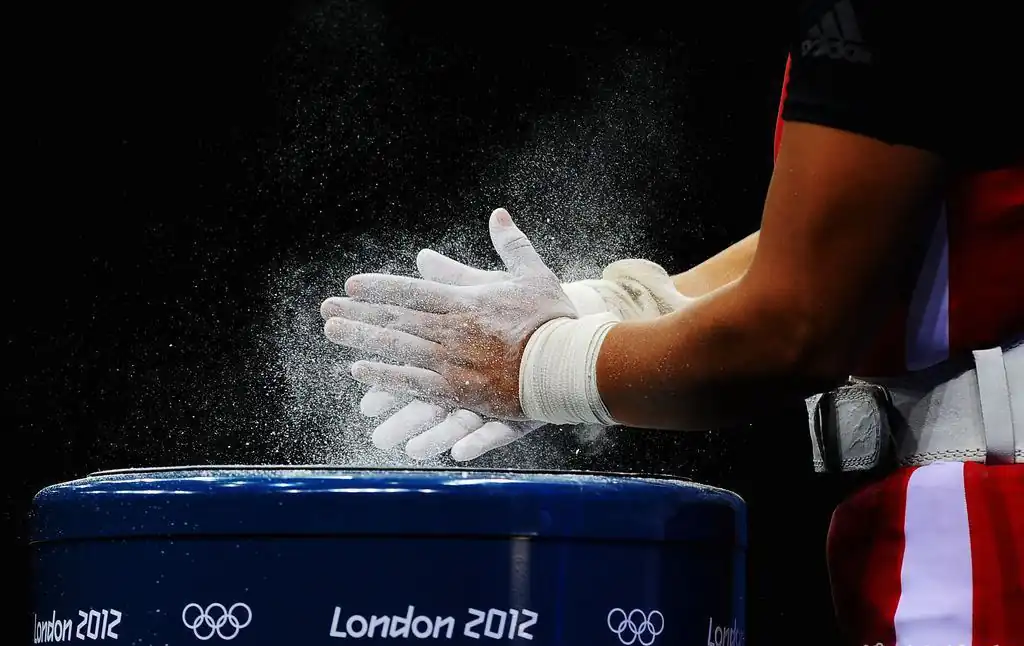
When I turned on the sports channel, the white powder on the hands of gymnasts before they competed caught my attention.
Some friends might say, “Isn’t that white powder just talcum powder used by athletes to prevent slipping?” Hearing this, the editor’s reaction is like this:
↓↓↓↓
So, let’s take a look: are anti-slip powder and talcum powder actually the same thing?
First, let’s look at their appearance.
This is anti-slip powder ↓
(Image)
This is talcum powder ↓
(Image)
Well, judging by appearance alone, there isn’t much of a difference between the two.
Next, let’s examine their ingredients and uses.
The chemical composition of anti-slip powder is magnesium carbonate. It is weakly alkaline, white, and non-toxic.
Internationally, anti-slip powder—which is harmless to the human body, quickly absorbs sweat, and increases friction on contact surfaces—is commonly used to prevent athletic accidents caused by unstable footing or a weak grip.
When watching sports programs, especially gymnastics and weightlifting, we often see athletes stand in front of a small stand and rub a white powder on their hands during preparation. This powder is anti-slip powder. Anti-slip powder is also used in rock climbing, badminton, tennis, basketball, pole dancing, and other sports that require slip resistance.
So, why does anti-slip powder prevent slipping?
The reason why anti-slip powder prevents slipping is determined by the physical properties of its main component, magnesium carbonate. Magnesium carbonate is a macromolecular substance. Due to its large molecular volume, its contact area with objects is large, resulting in greater static friction on the contact surface. Increased static friction between contacting objects makes them less likely to slide.
After athletes rub anti-slip powder on their hands, the roughness of the contact surface between the palms and the equipment increases, which increases friction, allowing them to perform movements more freely and with better control. In addition, magnesium carbonate is highly water-absorbent. Therefore, anti-slip powder can also prevent slipping by absorbing sweat from the hands, keeping the palms dry. Anti-slip powder is also known as athletic chalk or anti-slip magnesium powder.
Now let’s take a look at talcum powder.
Talcum powder, whose main component is talc (hydrated magnesium silicate), has the chemical formula Mg3[Si4O10](OH)2
.
Talc possesses excellent physical and chemical properties, such as lubricity, anti-adhesion, flow-promoting ability, fire resistance, acid resistance, insulation, a high melting point, chemical inertness, good hiding power, softness, good luster, and strong adsorption capacity.
Talcum powder is odorless and insoluble in water. It is primarily used as an anti-caking agent (preventing clumping and sticking), and can also be used as a release agent and anti-sticking agent in the processing of candies and other foods.
The white powdery coating on the outside of preserved plums, dried orange peel plums, dried mangoes, dried apricots, shredded ginger, peach slices, and melon strips that we often see is sometimes this powder.
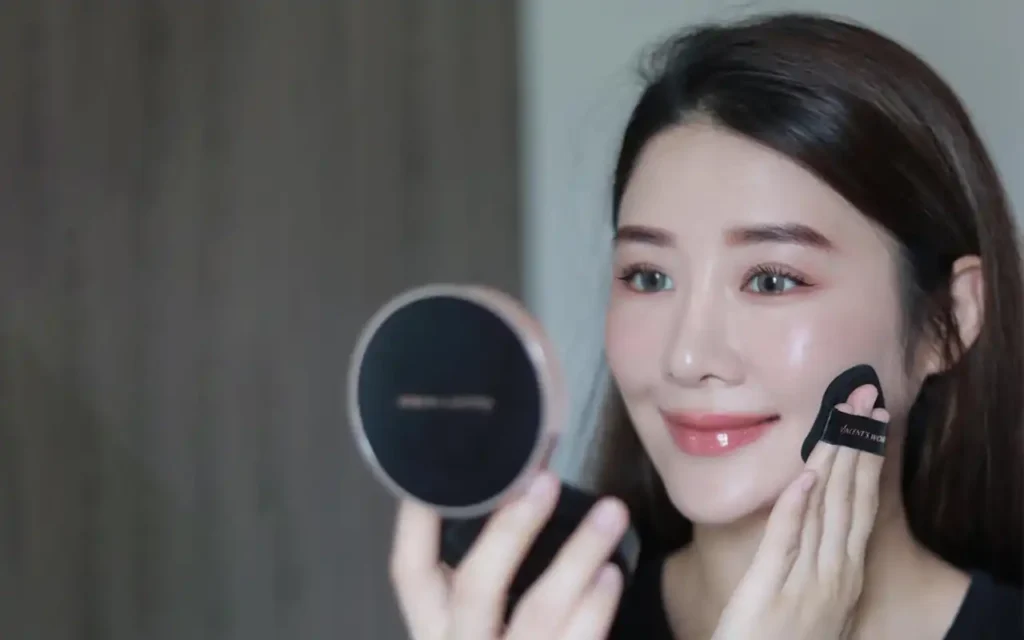
In addition, many of the makeup foundations we use in daily life are made with talcum powder. Because talcum powder has the ability to block infrared rays, it can provide the foundation with certain sun protection and anti-infrared functions.
It is clear that although anti-slip powder and talcum powder look similar, they are entirely different substances.
Some people also use prickly heat powder or baby powder as anti-slip powder. Is this advisable?
The main component of many prickly heat powders and baby powders is magnesium silicate (about 70%), while the magnesium carbonate content is less than 10%. Magnesium silicate and magnesium carbonate function in completely different ways: magnesium carbonate is used to absorb sweat and increase friction, whereas magnesium silicate, although it also absorbs sweat, actually reduces friction to some extent, making the skin surface smoother.
Therefore, it is not advisable to replace anti-slip powder with talcum powder, prickly heat powder, or baby powder!