
Which Type of Magnesium Should You Take? An Overview
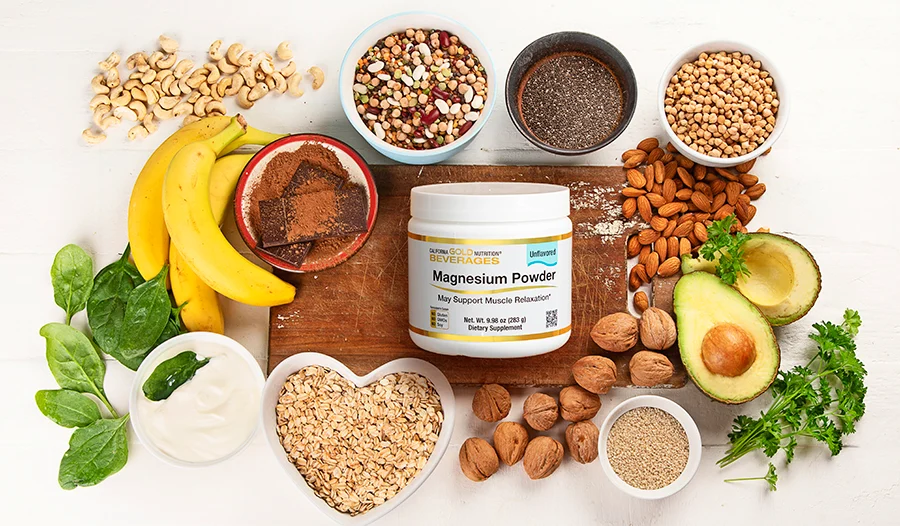
- Sleep Support + Relaxation: Magnesium Glycinate
- Difficulty with Bowel Movements: Magnesium Citrate or Magnesium Oxide
- Brain Health + Cognitive Support: Magnesium L-Threonate
- Muscle Soreness Relief + Energy Support: Magnesium Malate
What is Magnesium?
Magnesium is an essential mineral for human life. It is one of the key elements that make up the human body, with the average adult body containing approximately 25 grams of magnesium. Hundreds of bodily processes require this mineral. Magnesium is also an electrolyte, which is one reason why you may see it included in certain electrolyte supplements.
In addition, magnesium supports a healthy inflammatory response, aids in muscle production and maintenance, helps provide more stable blood sugar control, assists with metabolism, boosts energy, and maintains strong, healthy bones.
4 Different Types of Magnesium
1. Magnesium Glycinate
I will start with one of my preferred forms of magnesium: Magnesium Glycinate. This means magnesium is bound to the amino acid glycine. Generally, this form of magnesium has a relatively high absorption rate and a very low likelihood of causing digestive discomfort. Magnesium glycinate is most commonly found in capsule form. Sometimes you can find it as a powder, which I prefer because magnesium is a bulky supplement. Consequently, to get an effective dose, one often has to take multiple pills. Instead of swallowing a handful of pills, you can simply mix a small amount of powder with a little water. This extra water is also helpful, as magnesium draws water into the stool within the digestive tract.
A notable feature of magnesium glycinate is its impact on nervous system health. Research suggests that taking 150 to 300 mg of magnesium glycinate (or mixed with magnesium taurate) several times a day can significantly improve conditions of depression, anxiety, and memory loss. The mechanism of action remains unclear. One hypothesis is that individuals with low magnesium levels may be more severely affected by mental health issues. However, serum magnesium tests do not always reflect this. Studies show that people may begin to experience symptoms before blood tests indicate a deficiency.
Overall, if you are looking for a magnesium option that provides a calming and restful effect at night or supports general mood, magnesium glycinate may be a suitable choice for you. Additionally, magnesium glycinate may offer the added benefit of helping to reduce inflammation.
2. Magnesium Citrate
Magnesium citrate is another preferred form of magnesium because it is more affordable, has good absorption, and can gently help soften stool (if that is your desired effect). If you occasionally experience difficulty with bowel movements, this might be a suitable option for you. I prefer using powdered magnesium citrate because the water consumed with it helps promote regular bowel movements.
Magnesium citrate may have a calming effect, though typically less pronounced than that of magnesium glycinate. This is why you might see magnesium citrate products marketed for relaxation.
Magnesium citrate may have a unique application in helping to prevent migraines, and research has been conducted in this area. However, studies suggest that to prevent certain types of migraines or alleviate symptoms, a relatively high dose (around 600 mg) may be required. Before starting a higher dose of a supplement like magnesium citrate, you should consult a doctor. Such large doses of magnesium can often be difficult to tolerate and may cause gastrointestinal discomfort.
It is worth noting that excessive magnesium intake can lead to an imbalance in calcium levels. Therefore, you may find some magnesium supplements with a small amount of added calcium to maintain balance. This may be more suitable for individuals who need to take higher doses of magnesium.
Last but not least, magnesium citrate has also been studied for alleviating PMS symptoms. A small number of studies show that taking oral magnesium citrate can slightly reduce premenstrual syndrome symptoms. During the menstrual cycle, women’s magnesium and calcium levels fluctuate. In the premenstrual phase, magnesium levels may become insufficient or very low, and researchers believe that magnesium supplementation can help relieve symptoms.
3. Magnesium Oxide
Magnesium oxide is generally less preferred because research shows its absorption rate is lower than that of magnesium citrate or magnesium glycinate. Magnesium oxide is typically the least expensive form of magnesium and is very common in many grocery stores, usually sold as tablets.
Because of its low bioavailability (poor absorption), higher doses may be required to achieve an effect. Since you might need to increase the dosage to see results, you are also more likely to experience adverse digestive side effects.
4. Magnesium Carbonate
Magnesium carbonate is worth mentioning as it is a popular choice for both myself and my clients. Magnesium carbonate turns into magnesium chloride in the stomach, and when consumed as a powdered supplement, it can have a soothing antacid effect on the stomach. Therefore, I prefer powdered magnesium carbonate, mixing it with a small amount of water to drink as a supplement.
When magnesium carbonate and citric acid are mixed in water, they form magnesium citrate. That is why you might see citric acid listed in the ingredients of many magnesium carbonate powders. When water is added to the mixture, the beverage bubbles and fizzes, indicating that a chemical reaction is taking place. Within a few minutes, your drink becomes magnesium citrate. If you want the drink to soothe your stomach, consume it while it is still bubbling. If you prefer to obtain the more highly absorbable magnesium citrate, wait until the fizzing subsides before drinking.
Overall, magnesium carbonate with citric acid is one of my preferred choices because it tastes good and provides a soothing effect on the stomach.
Checking the Ingredient Label
Finally, check the ingredient label of your magnesium supplement for other additives or fillers to determine if it is suitable for you. Some powdered supplements add stevia, xylitol, sucralose, monk fruit, or other sweeteners to enhance the flavor. I prefer natural, sugar-free options, such as stevia or monk fruit. However, your choice depends on your personal goals and preferences!
How Much Magnesium Should You Take Daily?
The Recommended Dietary Allowance (RDA) for magnesium is 400–420 mg for men and 310–320 mg for women, with specific amounts varying by age. Considering how little magnesium is found in foods, this is a fairly substantial amount. There are not many foods that are exceptionally high in magnesium. Below are some magnesium-rich foods that can provide close to (or more than) 20% of the RDA:
Magnesium-Rich Foods
- Swiss chard (cooked)
- Spinach (cooked)
- Pumpkin seeds
- Sesame seeds
- Quinoa
- Cashews
- Sunflower seeds
- Barley
I cannot guarantee the exact accuracy of this list, as it depends on how and where the food was grown. The magnesium content in food depends on soil conditions. Plants grown in more nutrient-rich soil will contain more magnesium, and when buying food at the grocery store, you usually do not know the soil conditions.
Which Type of Magnesium Should I Take?
As you have learned, many people may benefit from magnesium supplementation, depending on their goals, health status, and diet. Additionally, individuals taking high doses of Vitamin D may need to consume more magnesium through their diet or supplements. When the body works to process high doses of Vitamin D, it can deplete magnesium levels. You may want to consult your doctor to see which option is most suitable for you.
Determine Your Health Goals
Are you looking for ways to improve digestion? Or perhaps you want more restful sleep. Maybe you are prone to headaches, or you are looking for better exercise and muscle recovery support. Determine what outcomes you are looking for. Then, when you speak with your doctor, you can better decide which type of magnesium is most appropriate for you. Will your choice be citrate, glycinate, carbonate, or another form of magnesium? Explore a few different options to find the magnesium supplement that suits you best.
Top 10 Uses of Magnesium: Read More.
Frequently Asked Questions (FAQ)
Which type of magnesium is the easiest to absorb?
Forms such as magnesium glycinate, magnesium citrate, and magnesium malate have high bioavailability and good absorption. Magnesium oxide is poorly absorbed.
Can I take two different types of magnesium?
Yes, some people take different forms at different times (for example, malate in the morning for energy and glycinate at night to support sleep). However, please be mindful of the total daily dose and consult a healthcare provider.
How do I know if I am deficient in magnesium?
Common symptoms include muscle cramps, fatigue, anxiety, and poor sleep. A blood test from a doctor can help confirm if a deficiency exists.