
Hebei Messi Biology Co., Ltd. states that acidity regulators are key additives used in the food industry to maintain flavor and stabilize quality. With its mild weak alkalinity, highly efficient buffering capacity, and safety without harmful residues, magnesium carbonate has become a premium choice in acidity regulation. It is widely used in beverages, baking, dairy products, and other scenarios to protect the quality of food through precise pH balancing.
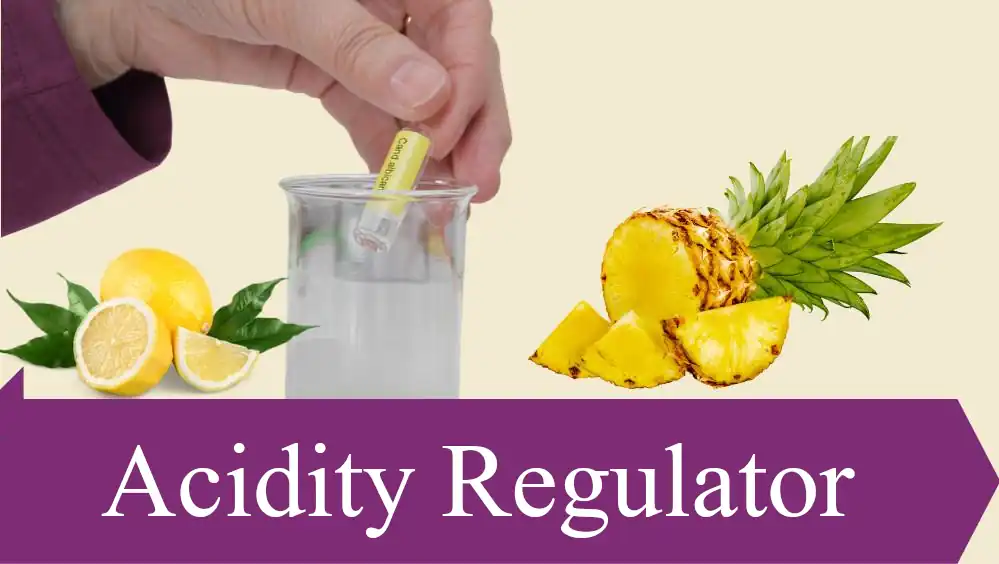
The core of magnesium carbonate’s acidity regulation lies in its gentle neutralization and long-term buffering. Its aqueous solution is weakly alkaline (pH of approximately 8–9) and reacts smoothly with organic acids in food, such as citric acid and malic acid. This mild reaction prevents flavor and texture damage caused by abrupt pH spikes. The reaction produces magnesium salts, water, and carbon dioxide, leaving no harmful by-products and maintaining the food’s original flavor. At the same time, the reaction products form a buffer system that resists pH fluctuations during processing and storage, keeping the acidity stabilized within an ideal range for an extended period—a characteristic that is difficult to achieve with conventional alkaline regulators.
In the beverage industry, magnesium carbonate acts as an “invisible helper” for balancing sourness. Fruit juices, carbonated drinks, and sports drinks often have a sharp sour taste due to high organic acid content. Adding trace amounts of magnesium carbonate softens this acidity, reduces irritation to the palate, and stabilizes bubbles and color, thereby enhancing the overall texture and flavor profile. In wine and fruit vinegar brewing, it can precisely reduce excessive acidity, optimize the balance of the body, and prevent astringency from affecting the flavor.
In the field of baking and flour-based products, magnesium carbonate achieves a dual effect of acidity regulation and quality improvement. Dough fermentation easily generates acidic substances, which can make the products sour and loose in texture. Magnesium carbonate neutralizes excess acidity, stabilizing the dough’s pH at 6.0–6.5, which improves gluten stability, making bread fluffier and biscuits crispier. Its gentle gas-producing properties also assist in leavening, resulting in a fine and uniform internal structure in pastries and extending shelf life.
In dairy and confectionery processing, magnesium carbonate is known for its safety and stability. Adding magnesium carbonate to formulated milk and yogurt balances fermentation acidity, prevents protein denaturation and precipitation, and provides a supplement of elemental magnesium. In candies and chewing gum, it is used to neutralize the excessive acidity of citric acid and tartaric acid, coordinating the sweet-and-sour ratio for a smooth, non-irritating mouthfeel.
Safety is a core competitive advantage of magnesium carbonate. As a food additive approved by the Chinese National Standard GB 2760 (INS No. 504), it has passed authoritative international safety certifications. When used within regulated dosages, it is non-toxic and harmless. Once ingested, part of it is converted into magnesium ions and absorbed by the body, while the rest is excreted through metabolism, posing no risk of bioaccumulation. Compared to strong alkaline regulators, it is better suited for sensitive food systems and high-end applications such as complementary foods for infants and health foods.
From principle to application, magnesium carbonate serves as an ideal choice among acidity regulators due to its mild, efficient, and safe characteristics. It not only precisely balances the acidity and alkalinity of food but also enhances quality and extends shelf life through its stable performance, meeting the diverse demands of the modern food industry for safety, health, and flavor. With the continuous upgrading of food processing technologies, magnesium carbonate will continue to demonstrate its value in the field of acidity regulation, providing stable and high-quality flavor assurance for a wider range of food products.