
Messi Biology states that when looking at toothpaste ingredient lists, many functional toothpastes include “magnesium oxide.” While many people mistakenly believe it is just an ordinary industrial powder, purified and refined toothpaste-grade magnesium oxide is actually a core raw material that combines gentle cleaning, enamel protection, cavity prevention, antibacterial properties, and repair. With its safe and mild characteristics, it has become a preferred additive for sensitive-teeth and anti-cavity toothpastes.
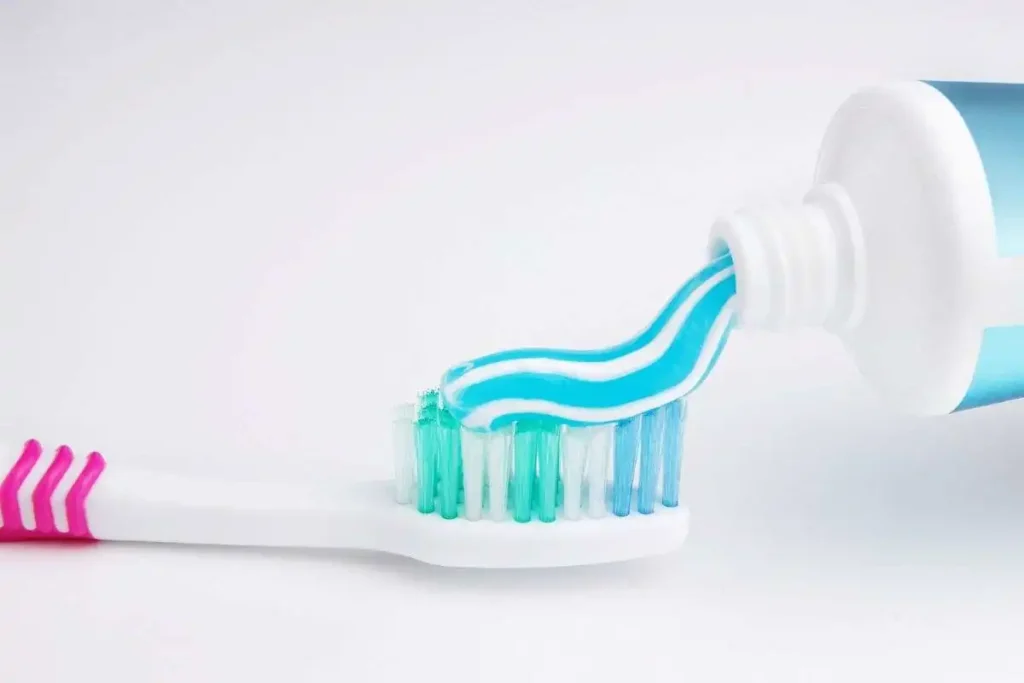
Different from ordinary industrial raw materials, magnesium oxide used in toothpaste must be produced under pharmaceutical and food-grade standards, strictly complying with the National Standard GB 1886.216 and pharmacopoeia specifications. Its purity is stable above 99%, with harmful impurities like lead, arsenic, and other heavy metals controlled at microgram levels. It is odorless, free of coarse particles, and exhibits high biocompatibility. Even if small amounts are swallowed, it does not irritate the gastrointestinal tract, making it widely used in swallowable children’s toothpastes and desensitizing toothpastes. Appearing as a fine white powder with moderate hardness and uniform particle size, it effectively balances cleaning performance with gentleness, serving as a new type of mild abrasive distinct from calcium carbonate and silica.
Physical cleaning is the fundamental function of magnesium oxide. Traditional calcium carbonate has strong abrasiveness, which can easily wear down delicate tooth enamel over long-term use. In contrast, the magnesium oxide particles in toothpaste are fine and rounded with a lower coefficient of friction. During brushing, they can gently adsorb tea stains, coffee stains, and soft food residues from the tooth surface, removing dental plaque without scratching the enamel or dentin. Additionally, its adsorption capacity allows it to bind odor molecules in the mouth for long-lasting fresh breath. It also helps regulate the consistency of the toothpaste, making it smooth and easy to foam, thereby improving the overall user experience.
Weak alkaline neutralization and cavity prevention represent the primary protective benefits of magnesium oxide. Bacteria in the oral cavity decompose sugars to continuously produce acidic substances, and a prolonged acidic environment can dissolve tooth enamel, leading to white spots and tooth decay. When in contact with water, magnesium oxide slowly releases weakly alkaline ions, gently neutralizing oral acidity and stabilizing oral pH levels, which reduces the risk of acid erosion at the source. Furthermore, nano-scale magnesium oxide can penetrate into the microscopic pores of tooth enamel, guiding the deposition of calcium and phosphorus ions. This assists in repairing early demineralized enamel and mitigating tooth sensitivity and white spots, achieving simultaneous cleaning and restoration.
Beyond these benefits, magnesium oxide possesses natural antibacterial properties. When ultra-fine magnesium oxide particles come into contact with cariogenic bacteria and gingival pathogens, they disrupt bacterial cell membrane structures, inhibiting the proliferation of Streptococcus mutans and periodontal pathogens. This reduces dental plaque accumulation and helps relieve gum swelling and bleeding, making it suitable for periodontal care toothpaste formulations. Magnesium is also an essential trace element for the human body; minor ingestion can support the maintenance of healthy oral mucosa, gently accommodating the oral care needs of all age groups.
As consumer dental health awareness advances, gentle-repair and low-abrasion toothpastes have become mainstream in the market. Consequently, the application of toothpaste-grade magnesium oxide continues to expand due to its multi-functional benefits in cleaning, cavity prevention, antibacterial action, and desensitization. This safe, non-toxic mineral ingredient protects oral health through dual physical and chemical actions, serving as an essential, subtle guardian in modern functional toothpastes.