
Messi Biology states that amid the global energy transition drive, hydrogen energy, a clean and efficient secondary energy source, is hailed as the “ultimate energy of the 21st century”. Hydrogen energy is being adopted in an ever-expanding range of scenarios, from fuel cell vehicles to industrial oil refining. Behind all these applications lies a critical yet underrated core component: hydrogenation catalysts. Within the microcosm of such catalysts, magnesium carbonate serves as an indispensable foundational material.
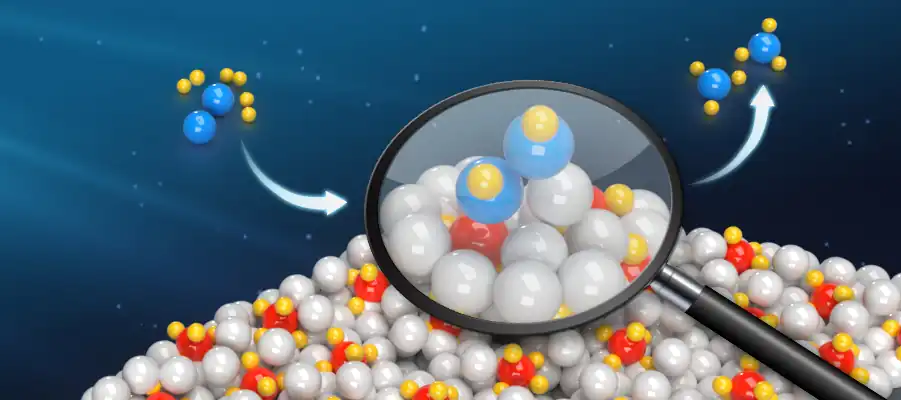
To grasp the significance of magnesium carbonate, one must first understand hydrogenation catalysts. Simply put, hydrogenation catalysts act as mediators in chemical reactions. Under high temperature and pressure, they facilitate bonding between hydrogen molecules and petroleum cracking products or organic feedstock molecules. This process removes impurities such as sulfur and nitrogen, or converts unstable olefins into stable alkanes, which is vital for producing clean fuel oils and high-value chemicals. So what exact role does magnesium carbonate play here? Though it does not function as the direct catalytic active center (typically precious metals including platinum, palladium and nickel), it forms the framework and carrier that constitutes the entire catalytic system.
First and foremost, magnesium carbonate acts as an excellent precursor for catalyst supports. In industrial production, bare metallic particles used directly as catalysts deliver low catalytic efficiency and readily sinter and agglomerate at high temperatures, causing rapid catalyst deactivation. Thanks to its unique physicochemical properties, magnesium carbonate is widely utilized to fabricate magnesium oxide supports. Subjected to specialized processing, magnesium carbonate decomposes and transforms into magnesium oxide with a high specific surface area. This porous magnesium oxide structure resembles a large sponge, uniformly dispersing tiny metallic active components across its surface. It drastically expands the contact area for reactions and prevents particle agglomeration, thereby markedly boosting catalyst activity and stability.
Secondly, magnesium carbonate boasts outstanding alkalinity regulation performance. In hydrogenation reactions, the pH of the reaction system exerts a decisive impact on reaction pathways and selectivity. Magnesium carbonate and its derived magnesium oxide exhibit alkaline properties, which neutralize acidic substances potentially generated during reactions and curb carbon deposition. Carbon deposition is the primary culprit behind catalyst failure, as it covers active sites and blocks catalyst pore channels. Incorporating magnesium carbonate is equivalent to equipping catalysts with a protective barrier, effectively extending their service life.
Moreover, magnesium carbonate features abundant raw material supplies, relatively low costs and eco-friendliness, granting it distinct economic advantages for large-scale industrial deployment. By controlling the crystal form, particle size and purity of magnesium carbonate, scientists and engineers can precisely tailor catalyst structures to meet specific industrial requirements, much like assembling building blocks.
The use of magnesium carbonate for hydrogenation catalysts is far more than a simple assembly of raw materials; it constitutes a sophisticated discipline. Modestly supporting the outstanding performance of precious metals, it provides a robust structural framework to sustain efficient chemical reactions. As the hydrogen energy industry undergoes vigorous growth in the coming years, this white powder will continue its unsung pivotal role in advancing clean energy.