
Professional Manufacturer of Magnesium Oxide, Magnesium Hydroxide, Magnesium Carbonate, and Inorganic Magnesium Salts
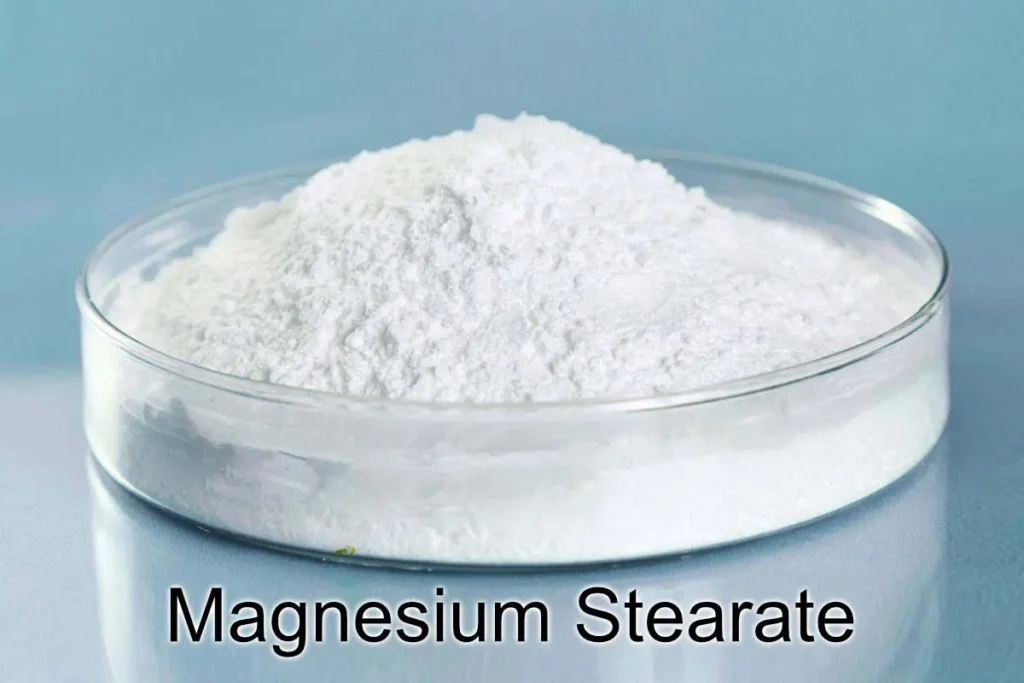
As a multifunctional additive, magnesium stearate is widely used in sectors such as pharmaceuticals, plastics, cosmetics, and food. It primarily functions as a lubricant, glidant, and anti-adherent, and its performance quality directly determines the quality of the final product. Xingtai Gelü New Materials indicates that as the core raw material and performance regulator in the production of magnesium stearate, magnesium oxide—by virtue of its unique physical and chemical properties—plays an irreplaceable and critical role throughout the entire synthesis and optimization process, directly influencing the application effects and scope of magnesium stearate.
Magnesium oxide serves as the core raw material for magnesium stearate synthesis, determining its fundamental quality and purity. Magnesium stearate is typically produced through the reaction between stearic acid and magnesium oxide. A precise ratio ensures the formation of stable, high-purity magnesium stearate while avoiding the generation of impurities. According to industry standards, the magnesium oxide content in qualified magnesium stearate must be controlled between 6.7% and 7.5%. This ratio is achieved through the precise regulation of raw material input; the higher the purity of the magnesium oxide, the higher the reaction conversion rate and the lower the impurity content, making it better suited for sectors with rigorous safety requirements, such as pharmaceuticals and food.
Magnesium oxide significantly optimizes the core application performance of magnesium stearate, broadening its range of use. In terms of lubrication, magnesium oxide can regulate the crystal structure of magnesium stearate and reduce its coefficient of friction. This allows it to effectively minimize friction between materials and equipment during pharmaceutical tableting and plastic processing, thereby improving production efficiency while preventing surface defects such as scratches or adhesion. Regarding anti-adhesion and flowability, magnesium oxide can form a uniform coating on the surface of magnesium stearate particles, preventing particle agglomeration and enhancing material flow—features particularly suitable for the granulation and direct tableting processes of oily substances and medicinal extracts.
Magnesium oxide enhances the stability of magnesium stearate, extending its shelf life and application effectiveness. Magnesium oxide possesses excellent chemical stability and alkalinity; it not only stabilizes the crystal structure of magnesium stearate and improves its thermal stability—ensuring it does not easily decompose in high-temperature processing environments—but also regulates the acid-base environment of the system to prevent acidic substances from degrading the performance of the magnesium stearate. Furthermore, magnesium oxide improves the dispersibility of magnesium stearate, ensuring it is evenly distributed across various systems to prevent clumping and guaranteeing the consistent performance of its lubricating and anti-adherent functions.