
Messi Biology states that whenever we buy bananas or mangoes with golden peels and rich aromas in the market, we rarely think about how they traveled thousands of miles while still maintaining their optimal taste. In fact, tropical fruits like bananas and mangoes are difficult to transport long distances if harvested when fully ripe. Therefore, fruit farmers usually harvest them while they are still green and firm, and then “ripen” them after they reach their destination. Behind this seemingly simple magic, an important “behind-the-scenes hero” is often hidden within the ripening agent—magnesium oxide.
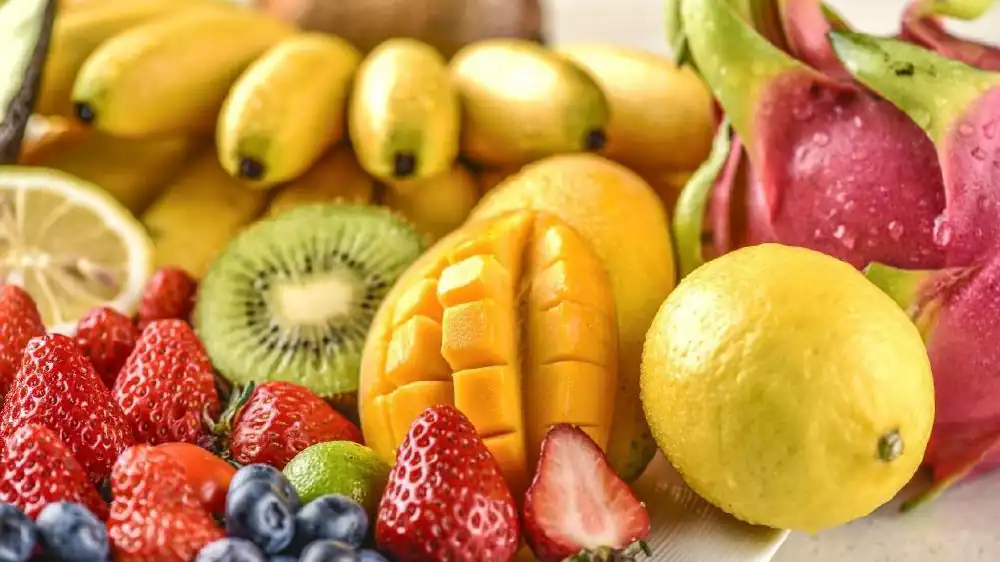
To understand the role of magnesium oxide, we must first unveil the mystery of ripening agents. Currently, the main component of the most commonly used fruit ripening agents on the market is “ethephon.” Ethephon is stable in acidic environments; once it enters the fruit and interacts with alkaline substances, it decomposes to release ethylene. Ethylene is known as the “ripening hormone” of plants. It can induce the conversion of starch into sugar in fruits, accelerate pigment deposition, and turn green, unripe fruits soft, glutinous, and sweet. During this process, magnesium oxide plays a crucial buffering and regulating role. Since ethephon itself is acidic, if it acts directly and excessively on the fruit’s surface, it may burn the peel and affect its appearance. As an alkaline compound, the addition of magnesium oxide can neutralize excess acid, regulate the pH of the solution, and allow it to act mildly on the fruit skin to avoid chemical damage, ensuring the fruits “ripen thoroughly without being injured.”
In addition, magnesium oxide is a typical drying and flow-aid agent. Ethephon usually exists in liquid form, and when making powdered or granular solid ripening formulations, magnesium oxide—due to its good hygroscopicity and loose texture—can effectively prevent the formulations from getting damp and caking. This ensures that the ripening agent maintains a good dispersion state during storage and transportation, enabling fruit farmers to spray or apply it more evenly during use. More importantly, magnesium element itself is a medium nutrient element required for plant growth and fruit development. The presence of an appropriate amount of magnesium oxide not only does not pollute the fruit, but also supplements the magnesium demand of the fruit skin through micro-osmosis, helping to maintain the stability of the fruit cell wall, making the ripened peel color more natural and bright, and enhancing commercial value.
In the ripening process of fruits such as bananas and mangoes, magnesium oxide plays a dual role as an acidity regulator and a physical stabilizer. With the wisdom of chemistry, it balances acidity and alkalinity, guards quality, and allows tropical fresh fruits that have traveled from afar to still bloom with the sweet taste of ripeness on our tongue tips.