
In today’s era of pursuing “carbon neutrality” and sustainable development, biogas, as a high-quality clean energy source, is gaining increasing attention. Whether in landfills, large-scale livestock farms, or wastewater treatment plants, biogas is widely utilized for power generation or energy supply. However, raw biogas is far from a flawless fuel; it harbors a “troublemaker”—hydrogen sulfide (H2S). If left untreated, hydrogen sulfide not only emits a pungent odor but also corrodes equipment and pollutes the environment. In the battle for purification, magnesium hydroxide (Mg(OH)2) is emerging as a “green scavenger” in the field of biogas desulfurization, owing to its unique advantages.
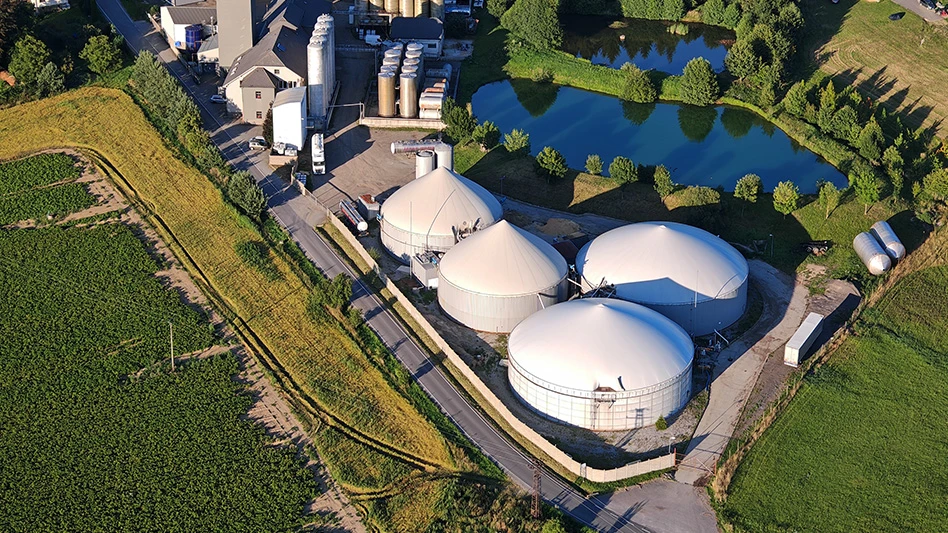
Traditional desulfurization methods predominantly rely on iron oxide or sodium hydroxide. The iron oxide method requires frequent packing replacement, resulting in high labor intensity. Meanwhile, although sodium hydroxide is a strong alkali with a fast reaction rate, it suffers from severe corrosiveness, difficulty in control, and the generation of large volumes of high-salinity wastewater that is hard to treat. In contrast, magnesium hydroxide used for biogas desulfurization exhibits superior performance. As a weak alkali, magnesium hydroxide does not react as violently or dangerously as strong alkalis when neutralizing hydrogen sulfide. It not only efficiently absorbs hydrogen sulfide, converting it into non-toxic magnesium sulfide or magnesium sulfite precipitates, but more importantly, it possesses exceptional buffering capacity. This means that pH fluctuations remain minimal during the desulfurization process, making the reaction much more stable and controllable, while significantly reducing operational risks.
The greatest highlights of magnesium hydroxide desulfurization lie in its environmental friendliness and the utilization value of its by-products. Unlike traditional calcium-based desulfurization (which generates massive amounts of waste gypsum slag), the by-products derived from magnesium hydroxide desulfurization hold higher application value. The wastewater generated from the process primarily contains magnesium sulfate and magnesium sulfite. Through oxidation treatment, it can be converted into a magnesium sulfate solution. In agriculture, magnesium sulfate serves as a premium magnesium fertilizer that promotes plant photosynthesis; in industry, it can be utilized to manufacture desiccants or feed additives. This “desulfurization-to-resource” model truly turns waste into wealth, prevents secondary pollution, and aligns perfectly with the concept of a circular economy.
In addition to its environmental benefits, magnesium hydroxide stands out for its high level of safety. Due to its low solubility, magnesium hydroxide does not cause severe chemical burns during handling like caustic soda does, making it much friendlier to operators and equipment. Meanwhile, with the advancement of seawater-based magnesium extraction technologies, the raw material cost of high-activity magnesium hydroxide has gradually decreased, granting it excellent economic viability for long-term operations. From organic waste buried in landfills to efficient fuel driving generators, the magnificent transformation of biogas relies heavily on advanced purification technologies. Driven by its high efficiency, safety, eco-friendliness, and recyclability, magnesium hydroxide for biogas desulfurization escorts the development of clean energy. Moving forward, as technology continues to advance, this white powder will play a pivotal role in a broader range of environmental governance fields, helping us build a cleaner and greener global home.