
When we walk into a supermarket, pick up a bag of flour, a packet of sugar, or taste a can of exquisitely preserved canned fruit in syrup, we rarely ponder why these foods maintain such a pristine white color and retain their fresh texture throughout their shelf life. Behind these appealing qualities often lies an “invisible hero”—food-grade magnesium oxide. Although it is more widely recognized as a dietary supplement, magnesium oxide plays a pivotal role in the food industry as a food corrosion inhibitor and whitening agent.
In modern food processing, many procedures are inseparable from metal containers and pipelines, such as high-temperature cooking and fermentation tank storage. However, metals (especially iron, aluminum, and their alloys) are prone to corrosion in acidic or high-temperature environments. Once metal equipment is corroded, it not only shortens the equipment’s lifespan, but more alarmingly, trace metal ions (such as iron ions) can leach into the food, causing a “metallic taste” and even leading to discoloration and spoilage. This is where the role of magnesium oxide as a corrosion inhibitor comes to the forefront. By adding an appropriate amount of magnesium oxide to food processing water or ingredients, its mild alkalinity and ability to adjust pH can be utilized to form a very thin protective film on the metal surface, or to neutralize acidic substances in water that may trigger corrosion. This is akin to putting a “protective suit” on food processing equipment, effectively blocking contact between the metal and corrosive media. It not only safeguards food safety but also ensures that the authentic flavor is not compromised by a rusty taste.
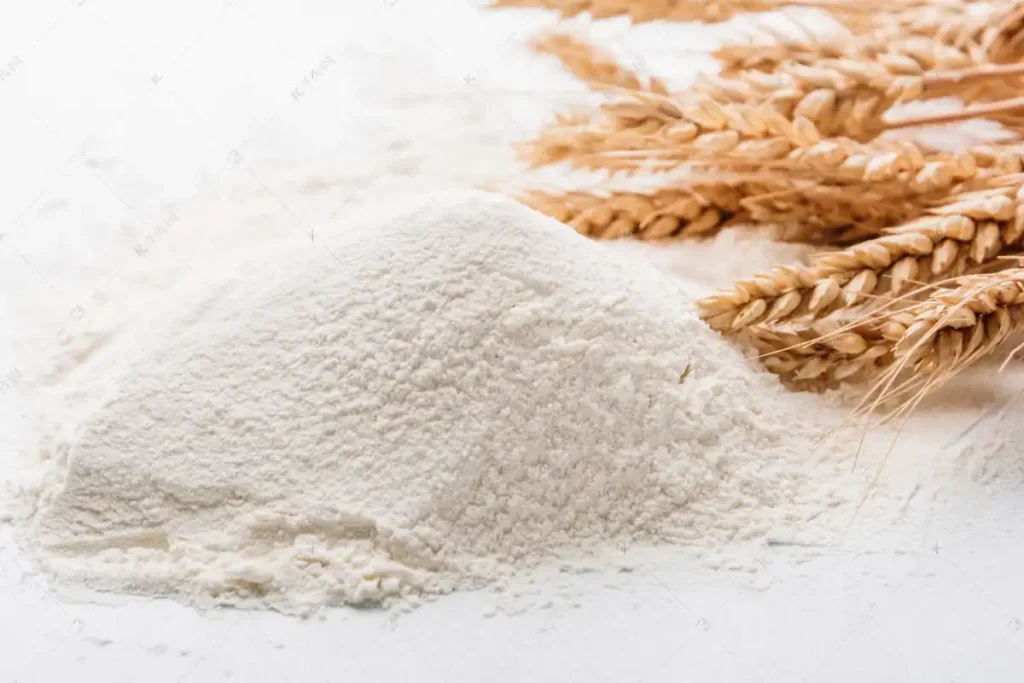
Beyond protecting equipment, magnesium oxide is also an exceptional “beautician”—acting as a food whitening agent. Many powdered foods, such as flour, white sugar, and glucose powder, are prone to yellowing during processing and storage due to oxidation, moisture absorption, or catalysis by trace metal ions, giving a perception of being “stale” or “not fresh.” Due to its unique physicochemical properties, magnesium oxide is widely used to ameliorate this issue. On the one hand, magnesium oxide itself is a white powder with extremely high whiteness (reflectivity), allowing it to physically enhance the sensory whiteness of products. On the other hand, its alkaline characteristics can neutralize acidic substances that cause browning or discoloration, inhibiting certain chemical reactions from occurring. For instance, during the refining process of sugars, magnesium oxide can serve as a filter aid and decolorizing agent to adsorb impurities, making sugar crystals more crystal-clear. For powdered foods, it can also improve product flowability, prevent caking, and make powders look fluffier, whiter, and finer.
Naturally, when discussing the application of “industrial raw materials” in food, consumers are most concerned about safety. It is important to note that the substance used here must be high-purity food-grade magnesium oxide, which differs vastly from industrial-grade magnesium oxide. Food-grade magnesium oxide is subject to extremely stringent standards regarding heavy metal (such as lead and arsenic) and impurity contents, making it a “rigorously refined” pure substance. Furthermore, national standards (such as GB 2760 in China) stipulate clear provisions regarding the scope and limits of magnesium oxide usage; it is typically classified as a food processing aid or an additive for specific foods. When used within compliant limits, it is not only harmless but also necessary.
From serving as a “corrosion inhibitor” that safeguards food processing equipment to acting as a “whitening agent” that enhances market appeal, food-grade magnesium oxide quietly maintains order in the food industry through its unique chemical properties. It reminds us that food science is not merely an art of flavors, but a precise combination of materials, chemistry, and technology. Behind that touch of pure white lies the rigor and wisdom of science.