
Messi Biology stated that in our daily lives, transparent plastic products can be seen everywhere. From plastic wrap to rigid packaging boxes, they may look ordinary, but they actually embody exquisite materials science. Among them, polyvinyl chloride (PVC), as a widely used plastic, often requires special modification technology to achieve a crystal-clear texture. You might find it hard to imagine that in this transformation process of imparting “transparency” to PVC, a seemingly ordinary white powder—magnesium carbonate—plays a crucial “magician” role.
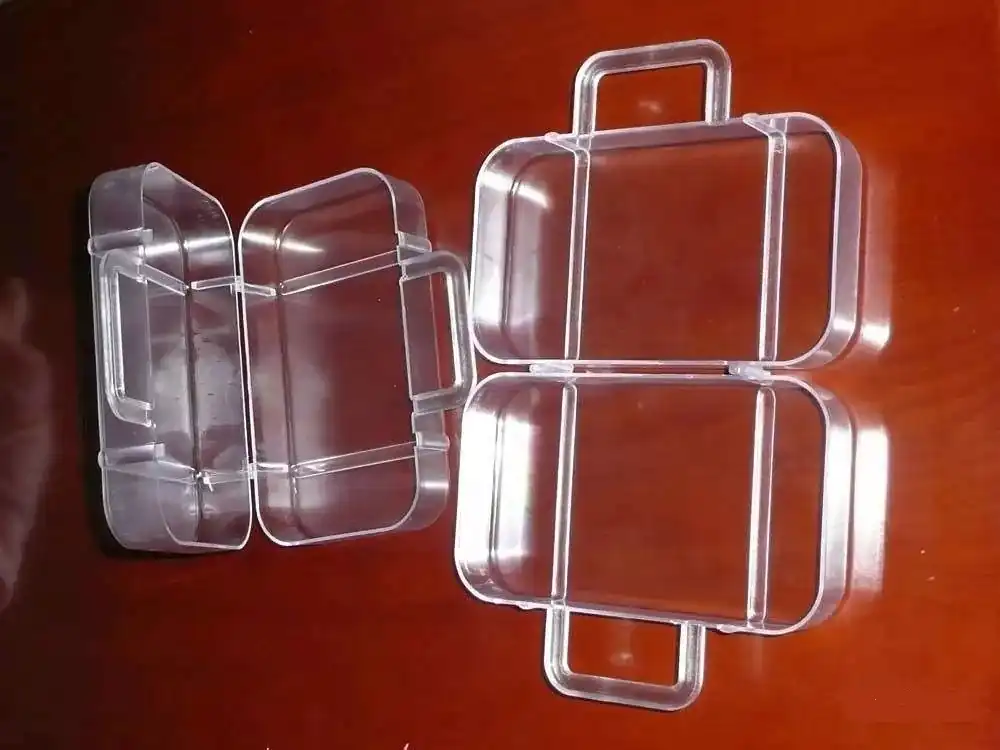
Normally, PVC resin itself is an amorphous polymer and theoretically has the foundation for transparency. However, during industrial processing, heat stabilizers and lubricants must be added to prevent PVC from decomposing at high temperatures and to provide processability and fluidity. Traditional additives often fail to match the refractive index of the PVC matrix, causing light to scatter inside the material, which makes the finished product blurry or even milky white. This is like mixing sand into clear water, causing the original sense of clarity to vanish completely. How can we solve this optical compatibility puzzle? The application of magnesium carbonate has become an ingenious answer.
The core of magnesium carbonate’s application in PVC lies in its unique physical and chemical properties. As an inorganic micro-powder material, specially processed magnesium carbonate has an extremely small particle size and a very high specific surface area. In the PVC processing system, it is not merely a simple filler, but an efficient transparent modifier. Its principle is mainly based on two aspects: optical matching and moisture absorption.
First, from an optical perspective, micron-scale or even nano-scale magnesium carbonate particles, when evenly dispersed, can reduce the blocking of visible light. More importantly, magnesium carbonate exhibits excellent hygroscopicity. PVC resin is very sensitive to moisture; trace amounts of moisture can easily form tiny bubbles (“fish eyes”) during high-temperature processing, and these bubbles are the primary culprit behind the destruction of transparency. Magnesium carbonate can quickly absorb trace amounts of moisture in the system, eliminating the root cause of bubble formation, thereby ensuring the uniformity and clarity of the material. In addition, magnesium carbonate can improve the processing performance of PVC to a certain extent. As an auxiliary heat stabilizer, it can absorb hydrogen chloride released during processing, delay the degradation of PVC, and prevent yellowing caused by material aging that affects transparency. At the same time, acting as an internal lubricant, it helps promote the plasticization of materials, making the melt more uniform and further enhancing the gloss of the finished product.
Based precisely on these characteristics, PVC materials added with an appropriate amount of magnesium carbonate can not only maintain excellent mechanical strength, but also present a crystal-like transparent texture. This makes it widely used in the manufacturing of high-end PVC transparent sheets, medical blood transfusion equipment, transparent hoses, packaging films, and other fields.