
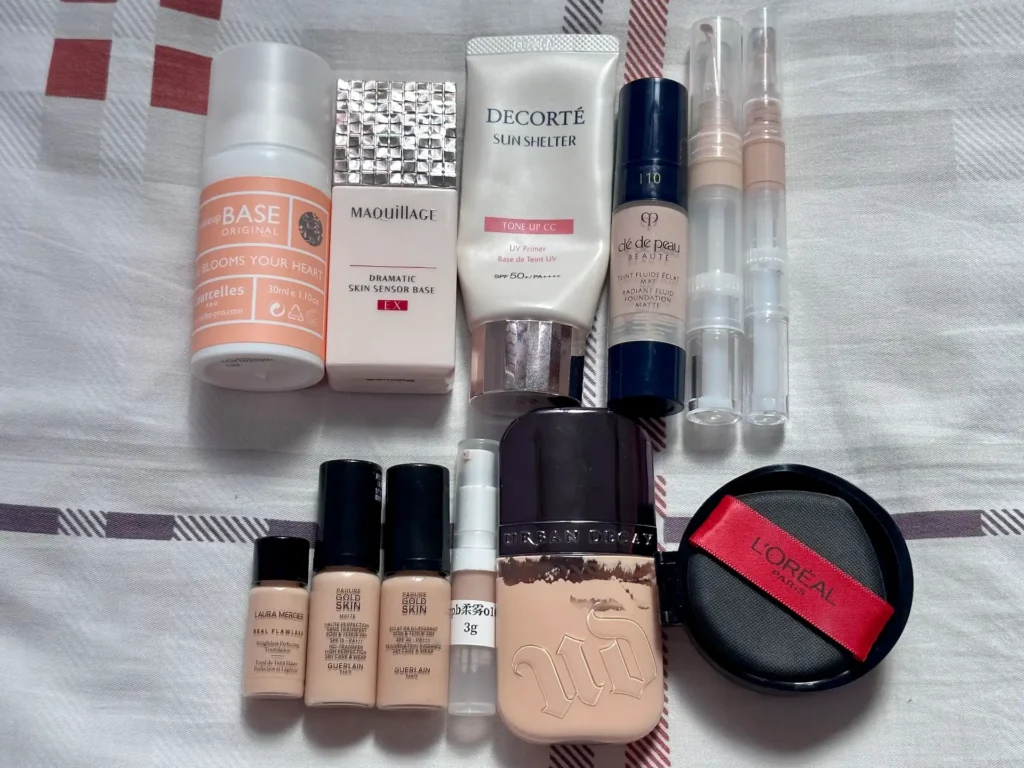
In the world of beauty, we always pursue a certain ideal: that the base makeup meticulously applied in the morning remains as delicate and flawless after a whole day of busyness—or even summer sweating—as it was when we first stepped out. However, reality is often harsh; shine in the T-zone and patchy foundation are frequent causes of frustration. To combat these “makeup breakdown” challenges, primers (often referred to as advanced isolation creams) were born. Hidden inside these magical little jars is often an unsung “oil-control hero”—magnesium carbonate.
From a chemical perspective, magnesium carbonate is a white inorganic powder that is insoluble in water, with a lightweight and fluffy texture. Industrially, it is often used as a refractory material or rubber filler, but in the cosmetics field, it transforms into a key ingredient for adjusting skin feel and absorbing excess sebum. If the name sounds unfamiliar to you, mentioning its “relative,” talc, might spark instant recognition; however, magnesium carbonate possesses even more unique properties in certain performance aspects.
The most core function of magnesium carbonate in primers is its exceptional oil-absorbing capacity. Our skin continuously secretes sebum, which acts as a natural protective barrier for the skin, but it is the “arch-enemy” of base makeup. Oil dissolves foundation and ruins the integrity of the makeup look. Magnesium carbonate features a porous structure that grants it a massive specific surface area, functioning just like a microscopic, powerful sponge. When a primer is applied to the face, the magnesium carbonate microparticles rapidly adsorb excess oil on the skin’s surface, “locking” it inside the powder, thereby creating a dry, matte environment on the skin. This physical adsorption not only instantly solves the problem of a greasy face, but also provides a dry, stable “foundation” for the subsequent adherence of foundation.
Beyond oil control, magnesium carbonate is also an outstanding “beautician.” Because its particles are extremely fine, it can effectively fill in skin textures and pores. This filling action diffuses light, creating a visual “soft-focus” effect that makes pores appear invisible while making acne scars and fine lines less noticeable. Applying a primer containing magnesium carbonate is like adding an airbrush filter to the skin, making the base makeup look smoother and more refined.
Have you ever wondered why some primers feel like silk when applied? Magnesium carbonate also deserves credit for this. As a powder treatment agent, it improves the rheology of the product, prevents the paste from clumping, and makes the texture more uniform and easier to spread. The dry, smooth sensation it provides avoids the heavy burden caused by overly greasy primers, turning the makeup application process into a pure pleasure. In terms of safety, magnesium carbonate is a highly stable ingredient that is hypoallergenic and non-comedogenic. In recent years, with consumers paying closer attention to ingredient safety, some brands have begun using magnesium carbonate to replace talc, which has faced more controversy, because it not only provides similar oil-absorbing and smoothing properties but also gives consumers greater peace of mind regarding purity and safety.
Although magnesium carbonate is just an inconspicuous line on a primer’s ingredient list, it carries multiple heavy responsibilities such as oil control, smoothing, and enhancing skin feel. It uses a scientific approach to help us lock in beauty and resist the erosion of time. Next time you choose a primer or marvel at the longevity of your base makeup, don’t forget to thank this behind-the-scenes hero—magnesium carbonate. It is precisely its “magnesium-powered” charm that keeps your beauty online all day long.