
Oxidative degradation is a major cause of storage failure in biologics. Active biological ingredients such as proteins, peptides, and polysaccharides are highly susceptible to oxidation, which leads to reduced efficacy, excessive impurities, and product rejection. Mitigating oxidation reactions is a crucial topic in the quality control of biological products. With its stable physicochemical properties and microenvironment regulation capabilities, pharmaceutical-grade magnesium oxide helps reduce the risk of oxidative degradation in biologics and extends their shelf life. Messi Biology focuses on formulation stabilization technology, providing excipient solutions for anti-oxidation and preservation in biopharmaceuticals.
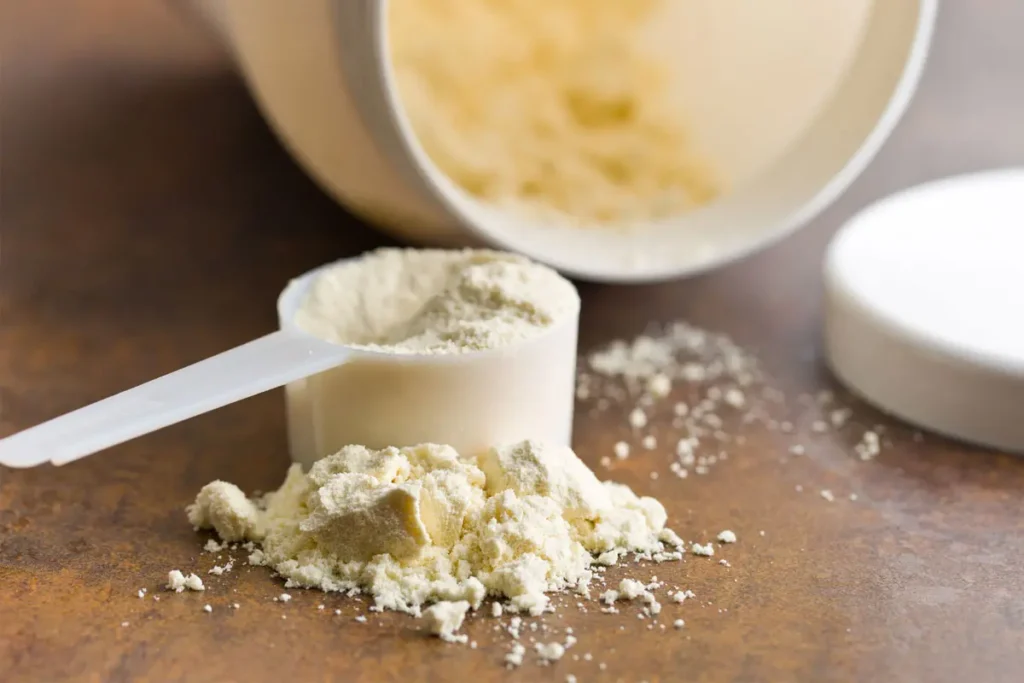
The oxidation reactions of active biological ingredients are mostly triggered by three factors: metal ion catalysis, high humidity, and acid-base imbalance. Through deep purification, pharmaceutical-grade magnesium oxide contains minimal free metal impurities, thereby reducing oxidation-catalytic reactions caused by metal ions at the source. Meanwhile, its porous structure can adsorb trace amounts of oxygen and moisture within the system, reducing the conditions required for oxidation reactions and inhibiting the oxidative deterioration of active ingredients. In terms of pH regulation, a stable pH environment can slow down the oxidative hydrolysis rate of biological macromolecules, achieving multi-layered protection.
In easily oxidized formulations such as peptide powders, protein lyophilizates (freeze-dried products), and biological extracts, the addition of pharmaceutical-grade magnesium oxide helps enhance product stability. Conventional formulations are prone to issues such as color deepening, content reduction, and increased impurities during long-term storage. The addition of this excipient helps maintain the appearance and potency stability of the formulations, reduces the unqualified product rate, and minimizes production losses and inventory waste for enterprises.
With favorable safety profiles and free from the risks associated with chemical antioxidant additives, it belongs to the category of physical stabilization and environmental regulation excipients. It does not alter the inherent structure and efficacy of the drug, making it compatible with a variety of compliant pharmaceutical systems. Enterprises strictly control the stability and purity of each batch of products to ensure consistent stabilization effects, helping biopharmaceutical companies enhance their market competitiveness and quality reputation.