
Capping, lamination, and edge chipping are major defects resulting in heavy losses during tablet production, where tablets split horizontally after exiting the mold or suffer edge defects, leading to direct scrapping of the finished products. Insufficient internal cohesion in the formulation, high elastic recovery of the powder, and a high proportion of extracts are all high-risk causes of capping. The rational addition of food-grade magnesium oxide can optimize the powder skeleton and enhance the structural strength of tablets.
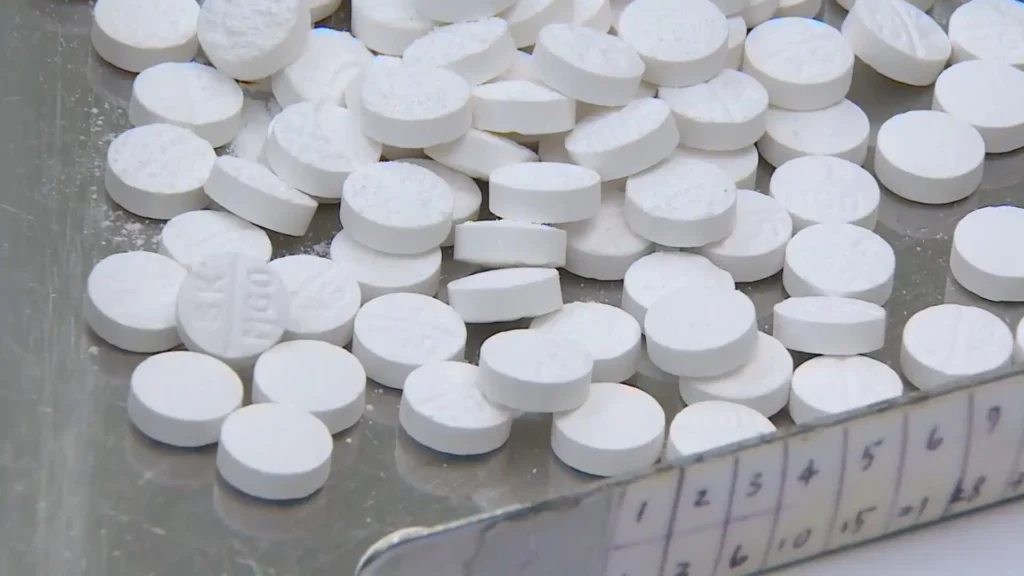
Magnesium oxide is a rigid, inert powder. Once evenly dispersed within the mixture, it can form a stable physical support skeleton, enhance the internal cohesion of the tablets after compression, reduce elastic springback post-compression, and decrease the risk of lamination and cracking. Many high-fiber and high-plant-extract formulations feature raw materials with poor inherent plasticity, resulting in compressed tablets that are loose and fragile. After adding an appropriate amount of magnesium oxide, the molding stability is significantly improved, and the probability of impact breakage during storage and transportation drops.
The realization of the skeleton effect relies on the uniform dispersion of the powder. If the powder agglomerates and concentrates locally, it will instead cause uneven internal stress within the tablet, making it more prone to cracking. Therefore, powder dispersibility and particle size uniformity are core selection indicators. At the same time, the addition amount must be controlled within a reasonable range; excessive use will make the tablets too hard, prolong disintegration time, and affect dissolution performance.
The food-grade magnesium oxide from Messi Biology undergoes powder modification treatment, making it less prone to agglomeration and ensuring uniform dispersion when mixed with various extracts and fillers. During formulation debugging, technicians generally conduct simultaneous multi-index testing on hardness, disintegration time limits, and friability to find the optimal addition range. For tablet products requiring long-distance transportation and e-commerce channel sales, optimizing tablet friability performance can effectively reduce circulation losses and increase the qualification rate of finished products entering the warehouse.