
Messi Biology states that within the family of inorganic chemical materials, magnesium oxide (MgO) is known as a “multifunctional basic oxide.” White, fine, and mild in nature, when it encounters fatty acids in natural oils and fats, it quietly triggers a neutralization reaction, producing a widely used class of compounds known as magnesium fatty acids (magnesium soaps). This seemingly ordinary chemical change supports substantial industrial sectors across pharmaceuticals, plastics, daily chemicals, and other fields.
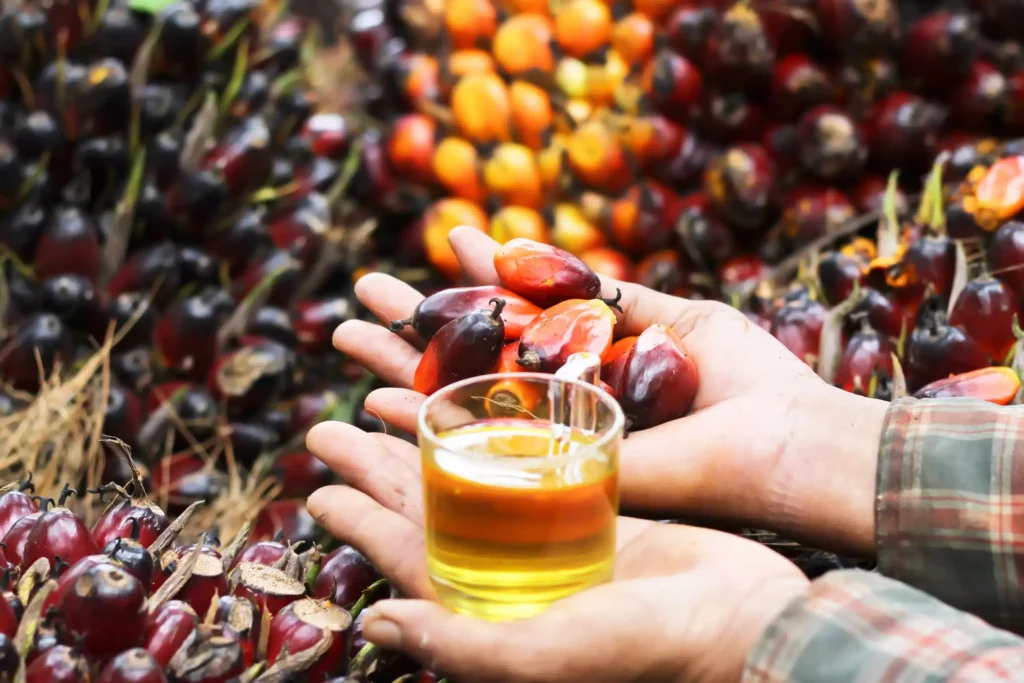
How does the reaction occur? Natural oils and fats originate from animals and plants, such as soybean oil, palm oil, and tallow. During storage or processing, oils are prone to hydrolysis, producing free fatty acids. These acids contain carboxyl groups and are weakly acidic, which can cause the acid value of the oils to rise and their quality to degrade. Magnesium oxide happens to be a basic oxide. When the two meet, a typical acid-base neutralization takes place: MgO + 2RCOOH →(RCOOO)₂Mg + H₂O. The reaction proceeds at the solid-liquid interface, where fatty acid molecules “rush” toward the surface of the magnesium oxide particles, combining with magnesium ions to form salts, with water being the sole by-product. Industrially, by simply controlling the temperature and material ratio, various products such as magnesium stearate and magnesium oleate can be prepared under mild conditions with a simple process that is easy to industrialize.
What are the uses of the generated magnesium fatty acids? Magnesium fatty acids belong to the “metal soap” family, possessing dual characteristics of lipophilicity (oil-loving) and hydrophobicity (water-repelling). In the pharmaceutical field, magnesium stearate is the lubricant with the largest usage volume in tableting processes, allowing pills to be smoothly demolded without sticking to punch heads. In plastics processing, it acts as a thermal stabilizer and lubricant, helping resins shape uniformly. In cosmetics, it prevents caking and improves skin feel. Furthermore, it is widely used in rubber anti-adhesion, paint drying catalysis, building material waterproofing, and oil acid-value control. It can be said that from pills to plastic bags, and from pressed powders to waterproof rolls, magnesium fatty acids are everywhere.
Why magnesium oxide in particular? Compared with strong bases like sodium hydroxide, magnesium oxide has a mild alkalinity, meaning it will not excessively damage oil components and instead precisely neutralizes only the acid within them. It introduces no impurities such as sodium ions, ensuring high product purity. Its reaction by-product is solely water, making it green and environmentally friendly. Coupled with wide raw material sources and low costs, these advantages make it an ideal choice for the industrial preparation of magnesium fatty acids. A small neutralization reaction connects the worlds of minerals and oils. Although silent and unassuming, magnesium oxide leaves an invisible yet indispensable contribution to the smoothness of pills, the toughness of plastics, and the delicacy of cosmetics.