
Messi Biology states that in the formulation system of cornstarch white latex, active magnesium oxide plays a triple role as a gelatinization activator, a cross-linking bridge, and a system stabilizer. It is the core additive determining whether this eco-friendly adhesive can simultaneously balance bonding strength, storage stability, and water resistance.
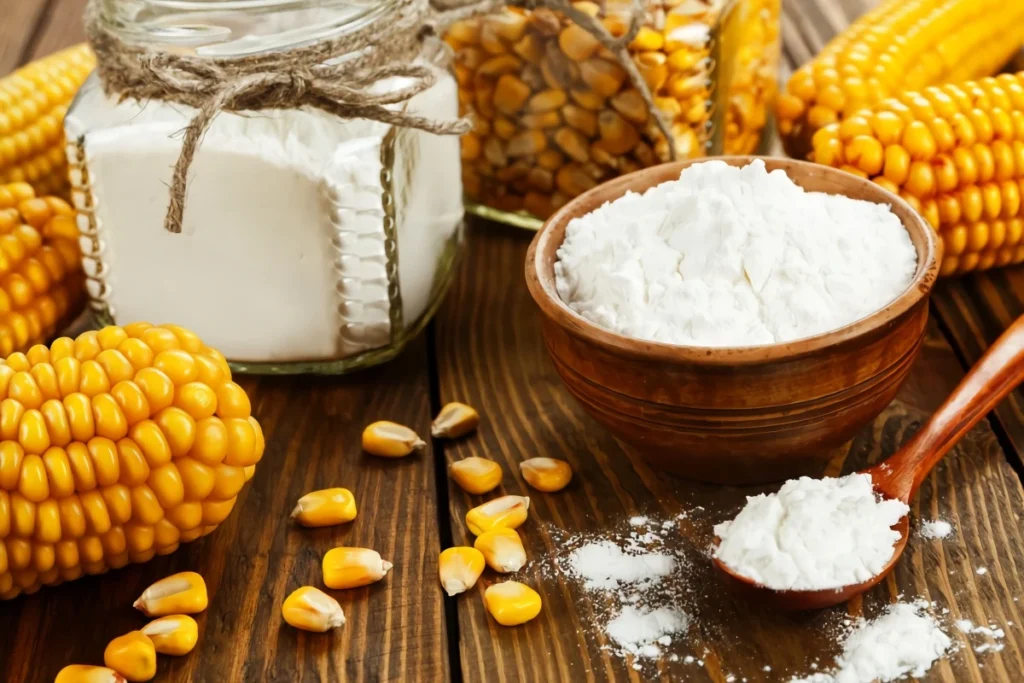
The essential difference between active magnesium oxide and ordinary magnesium oxide lies in three dimensions: particle size, specific surface area, and chemical activity. High-activity products mostly have particle sizes distributed at the micron to submicron level, with specific surface areas reaching over ten square meters per gram. The iodine absorption value is commonly used as a measurement indicator: below 40 mg/g indicates low activity, 40–100 mg/g indicates medium activity, and over 100 mg/g indicates high activity. This loose, porous microstructure allows it to rapidly participate in reactions as soon as it enters the adhesive liquid, rather than “settling to the bottom” like an inert filler. Cornstarch white latex uses natural cornstarch as its main body, supplemented with polyvinyl alcohol or vinyl acetate emulsion for cross-linking modification. Used in carton sealing, wood veneer bonding, and fiberboard splicing, it focuses on biodegradability and low odor. However, pure starch glue has inherent shortcomings such as weak bonding strength, poor water resistance, and susceptibility to stratification and deterioration—and active magnesium oxide is precisely the key to making up for these defects.
Step 1: Mildly activating gelatinization. When magnesium oxide meets water, it slowly hydrates to form magnesium hydroxide, creating a weakly alkaline environment of pH 9–10 in the adhesive liquid. This is sufficient to break the hydrogen bonds between starch molecules, allowing starch granules to fully absorb water, swell, and gelatinize uniformly, without corroding the substrate like strong alkalis such as sodium hydroxide.
Step 2: Building a cross-linking network. The hydration products undergo mild complexation with the hydroxyl groups on the starch molecules, and then form cross-linking points with polyvinyl alcohol and resin components, “sewing” the originally loose linear molecular chains into a network skeleton. Consequently, the cohesive strength and wet strength of the adhesive layer are improved, making it less prone to cracking and debonding after drying.
Step 3: Stabilizing the system against imbalance. Trace acidic substances easily generated during emulsion storage can trigger demulsification, thickening, and caking. Relying on its weak alkalinity, active magnesium oxide neutralizes these impurities, adsorbs excess moisture, prevents stratification and coarsening, and steadily extends the storage period. At the same time, magnesium hydroxide itself is a natural flame-retardant component, unexpectedly adding a fire-resistant barrier to the adhesive layer.
Selection depends on activity indicators. For cornstarch white latex, it is recommended to choose high-activity light magnesium oxide with an iodine absorption value of 100–150 mg/g, a purity of no less than 95%, and the finest possible particle size for better dispersion; insufficient activity will lead to incomplete gelatinization and inadequate cross-linking. The addition amount must be carefully controlled. The commonly used range in the industry is 2%–5% of the total mass of the adhesive liquid, meaning approximately 20–40 kg is added per ton of white latex; it is safer to start trials from 2% and fine-tune in 0.5% increments, as excessive addition will instead cause whitening of the adhesive layer and increased brittleness. Process steps cannot be skipped. Feeding is best arranged during the 80–90°C stage of emulsion polymerization or starch gelatinization; first mix the magnesium oxide with warm water into a slurry before adding it slowly to avoid a sudden temperature drop. Electric equipment is recommended for stirring, with the rotation speed controlled at 200–400 rpm for more than 3 minutes, followed by letting it stand to check for undispersed particles and sieving if necessary. Common mistakes include passing off ordinary heavy magnesium oxide as an active product, insufficient stirring after feeding causing local agglomeration, and co-use with strongly alkaline additives leading to premature gelation of the adhesive—these three points especially need to be avoided during formulation adjustments.
From activating gelatinization and building a cross-linking network to safeguarding storage stability, active magnesium oxide brings renewable resources like cornstarch onto the high-end adhesive stage in a mild, controllable, and green manner, aligning with the overall trend of the woodworking and packaging industries transitioning toward formaldehyde-free and low-VOC solutions.