
Messi Biology states that in modern poultry farms, premium eggs are not only delicious treats on the dining table, but also the crystallization of feed nutrition science. As is well known, minerals such as calcium and phosphorus are crucial in laying hen feed, yet another key element is often overlooked—namely, “magnesium.” In feed formulations, magnesium carbonate serves as a primary provider of this vital element. Today, let’s discuss the indispensable roles of magnesium carbonate in laying hen farming.
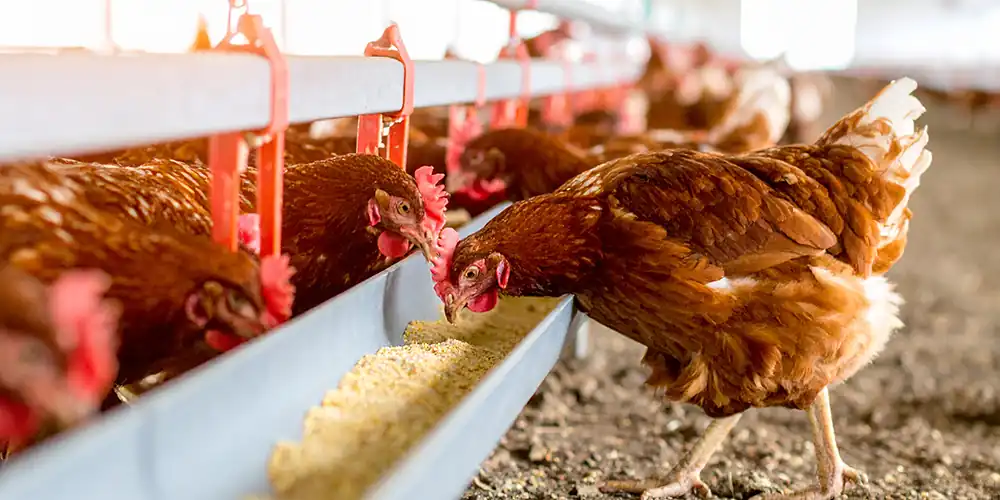
First, magnesium carbonate is an excellent source of magnesium for laying hens. Although magnesium is present in smaller quantities in a chicken’s body than calcium, its physiological status is extremely prominent. It acts as an activator for various enzymes in the body, participating in the metabolism of the three major nutrients: carbohydrates, fats, and proteins. If we compare a laying hen’s body to a precision chemical factory, magnesium is the lubricating oil that keeps the machinery running. A lack of magnesium can lead to symptoms such as increased nerve excitability, spasms, and even loss of appetite, severely affecting growth and production performance. The appropriate addition of magnesium carbonate ensures smooth bodily metabolism and maintains a foundation of health.
Second, magnesium carbonate plays a unique “assisting” role in improving eggshell quality. Many farmers focus solely on calcium supplementation, only to find that eggshells remain insufficiently hard and breakage rates stay persistently high. In fact, the formation of eggshells requires the deposition of calcium carbonate, a process that relies on the participation of carbonic anhydrase, for which magnesium serves as the active center. Furthermore, appropriate levels of magnesium help regulate calcium absorption and utilization, maintaining the balance of calcium, magnesium, and phosphorus within the body. Scientifically formulated additions of magnesium carbonate can improve the compactness and glossiness of eggshells, reducing the occurrence of soft-shelled and broken eggs, and directly reducing economic losses for farmers.
Furthermore, magnesium carbonate performs notably well in alleviating heat stress in laying hens. During hot summers, laying hens are prone to stress reactions caused by high temperatures, leading to decreased feed intake and lower laying rates. Magnesium carbonate possesses a certain buffering capacity, which can regulate blood acid-base balance and help maintain a stable internal physiological environment. At the same time, magnesium ions play a calming role in nerve transmission, reducing the sensitivity of the flock and helping them remain relatively calm in high-temperature environments, thereby mitigating to some extent the negative impacts of heat stress.
Although magnesium carbonate is an inconspicuous “minor character” in feed formulas, it exerts “massive energy” in maintaining hen health, enhancing eggshell quality, and resisting stress. It is not only the “invisible guardian” in laying hen feed formulations, but also a scientific key to achieving efficient and high-quality farming. Through the scientific utilization of magnesium carbonate, we can ensure that laying hens live healthier lives while making every single egg more flawless.