
Messi Biology states that in daily life, odors from kitchen fumes, pets, bathrooms, and garbage fermentation are often a source of distress. Traditional deodorants mostly rely on fragrances to mask odors, which treats the symptoms rather than the root cause. Furthermore, some products containing aluminum or chemical antibacterial ingredients remain subjects of safety controversy. Today, with its advantages of safety, efficiency, and environmental friendliness, magnesium oxide has become a high-quality raw material in the deodorant field, solving odor problems from the source through scientific methods.
Magnesium oxide (MgO) is a white inorganic compound characterized by a porous structure, alkaline stability, and non-toxic properties. Its deodorizing principle is not simple masking, but rather a triple action of physical adsorption, chemical neutralization, and antibacterial source control to thoroughly decompose odor molecules. Its porous structure acts like a microscopic sponge with a large specific surface area, allowing it to strongly capture common odor sources such as ammonia, hydrogen sulfide, and volatile organic compounds (VOCs). By locking these odor molecules within its pores, it prevents them from diffusing into the air.
As an alkaline substance, magnesium oxide can precisely neutralize acidic odor gases. For example, ammonia produced by pet urine and garbage fermentation, or hydrogen sulfide emitted from kitchen sewage, reacts with magnesium oxide (which forms weak alkaline magnesium hydroxide upon contact with moisture). This chemical neutralization transforms acidic odors into odorless salts, eliminating smells at the molecular level. Simultaneously, it regulates the environmental pH value, inhibiting the reproduction of odor-producing bacteria and reducing the generation of odors at the source for long-lasting freshness.
Compared to traditional deodorants, magnesium oxide offers significant advantages. It is free of aluminum salts, alcohol, and parabens. As a food-grade raw material, it is safe and gentle, causing no irritation to the skin, pets, or children; it does not clog pores or harm the environment. Its chemical properties are stable; it is non-volatile and does not produce secondary pollution, ensuring that adsorbed odors are not re-released. Additionally, magnesium oxide is easily sourced and cost-effective, making it adaptable to various deodorant product formats.
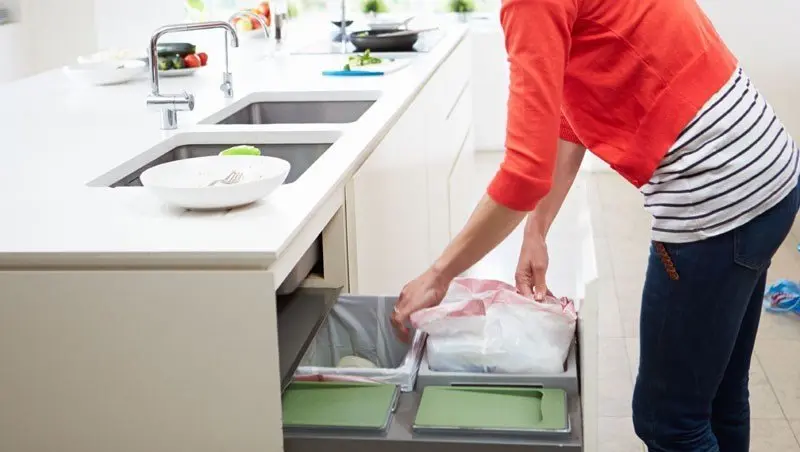
In daily life scenarios, magnesium oxide deodorants are widely applied. In the home, refrigerator deodorizer boxes, trash can deodorizing powders, and air purification granules containing magnesium oxide can quickly adsorb food spoilage odors and cooking fumes. In pet care, magnesium oxide cat litter and pet nest deodorants neutralize ammonia from urine and inhibit bacterial growth to keep the environment fresh. In personal care, aluminum-free deodorant sticks and underarm deodorizing creams use magnesium oxide as a core ingredient to absorb moisture and suppress odors gently without irritation. In industrial and public settings, magnesium oxide deodorants are also used in garbage stations, sewage treatment plants, and livestock farms to efficiently treat malodorous exhaust gases.
As the concepts of health and environmental protection become more popular, “green deodorization” has become an industry trend. By utilizing a triple mechanism of physical, chemical, and antibacterial action, magnesium oxide balances efficiency with safety, breaking the limitations of traditional deodorants. From household routines to public environments, and from personal care to industrial governance, magnesium oxide leverages the scientific power of inorganic materials to create fresh, odor-free, and healthy spaces. In the future, with formula optimization and expanded applications, magnesium oxide deodorants will better meet diverse scenario needs, leading the industry toward a greener and healthier upgrade with its core advantages of safety, long-lasting effect, and eco-friendliness.