
Messi Biology states that in today’s rapidly developing electronic technology sector, amorphous and nanocrystalline soft magnetic alloy ribbons serve as a core material for applications ranging from wireless charging modules in smartphones to high-frequency transformers in new energy vehicles and high-efficiency mutual inductors in smart grids. To utilize these metal ribbons effectively in practical applications, they must be protected by a thin and resilient coating: a magnesium oxide (MgO) insulating coating.
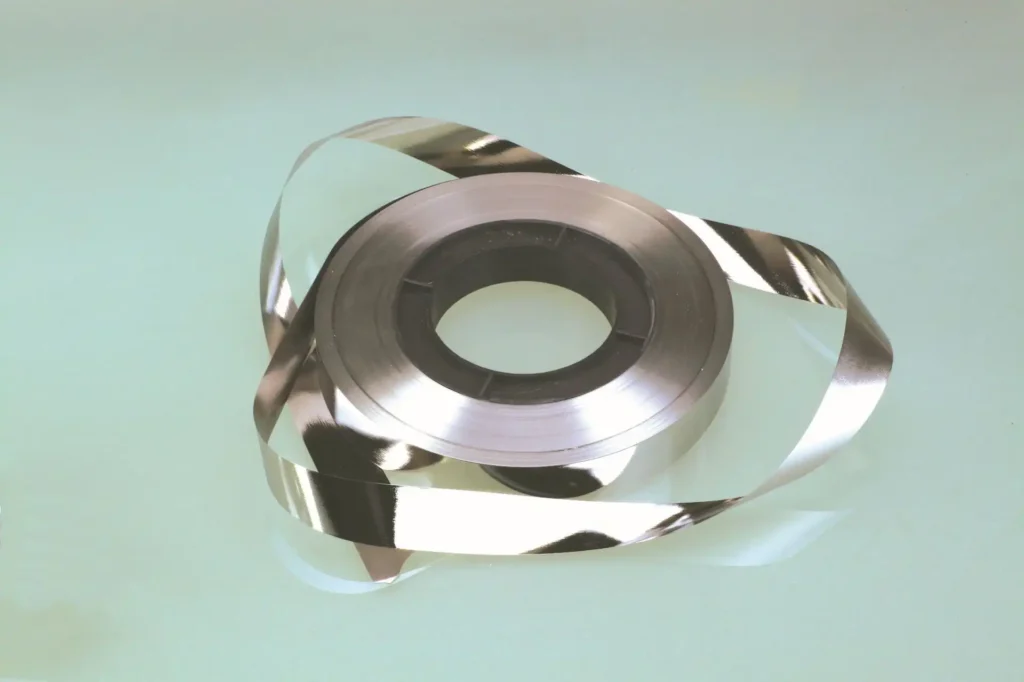
Among various insulating coating materials, magnesium oxide is a widely used option for the surface treatment of amorphous and nanocrystalline ribbons due to its physical and chemical properties. First, it offers high temperature resistance. During manufacturing, amorphous and nanocrystalline materials typically undergo high-temperature annealing to relieve internal stress and optimize magnetic performance. Conventional organic insulating coatings easily decompose and carbonize at high temperatures, thereby losing their insulating capacity. Magnesium oxide, as a typical inorganic oxide with a melting point exceeding 2800°C, withstands the high temperatures of annealing while maintaining structural stability.
Second, it provides good thermal compatibility. The thermal expansion coefficient of magnesium oxide is relatively close to that of the metal substrate. During heating and cooling processes, the coating is less prone to cracking or peeling off due to differences in thermal expansion and contraction, adhering closely to the ribbon surface to provide long-term protection. Third, its chemical properties are stable. Magnesium oxide is an alkaline oxide with good chemical stability, making it unlikely to react adversely with the ribbon surface, and it can resist environmental degradation during subsequent use.
In addition to insulation, the magnesium oxide coating also acts similarly to a lubricant during the manufacturing of amorphous and nanocrystalline ribbons. During high-speed ribbon production and subsequent magnetic core winding, a moderate friction coefficient on the coating surface is important. A high-quality magnesium oxide coating can reduce frictional resistance between ribbons, prevent surface scratching, and ensure tight fitting when the ribbons are stacked, thereby increasing the stacking factor of the magnetic core, which allows for smaller and more efficient components.
Although the magnesium oxide coating is usually only a few micrometers thick and barely visible to the naked eye, applying this powder onto the silver-gray ribbon through specialized processes is essential to the utility of amorphous and nanocrystalline materials. It addresses the conflict between metal conductivity and component insulation, making electrical energy transmission and conversion more efficient. In a sense, if the amorphous and nanocrystalline ribbon acts as the “muscle” of modern electronic devices, the magnesium oxide insulating coating serves as the “fascia” that protects and supports it. Their integration reflects the sophistication of materials science. In the future, as high-frequency power electronics technology continues to advance, performance requirements for this protective coating will increase, leading to broader development opportunities for magnesium oxide application technologies.