
According to Messi Biology, PP (polypropylene) non-woven fabrics are ubiquitous in our daily lives. From medical and sanitary items like masks and protective suits to eco-friendly shopping bags in supermarkets, and agricultural greenhouse insulation fabrics, this lightweight, breathable, and cost-effective material has permeated every aspect of our lives. However, with the diversification of application scenarios, conventional PP non-woven fabrics face numerous challenges, such as susceptibility to aging, insufficient antibacterial properties, and limited heat resistance. To endow this material with enhanced performance, a white powder—magnesium oxide (MgO)—is quietly becoming a new favorite in the materials science community.
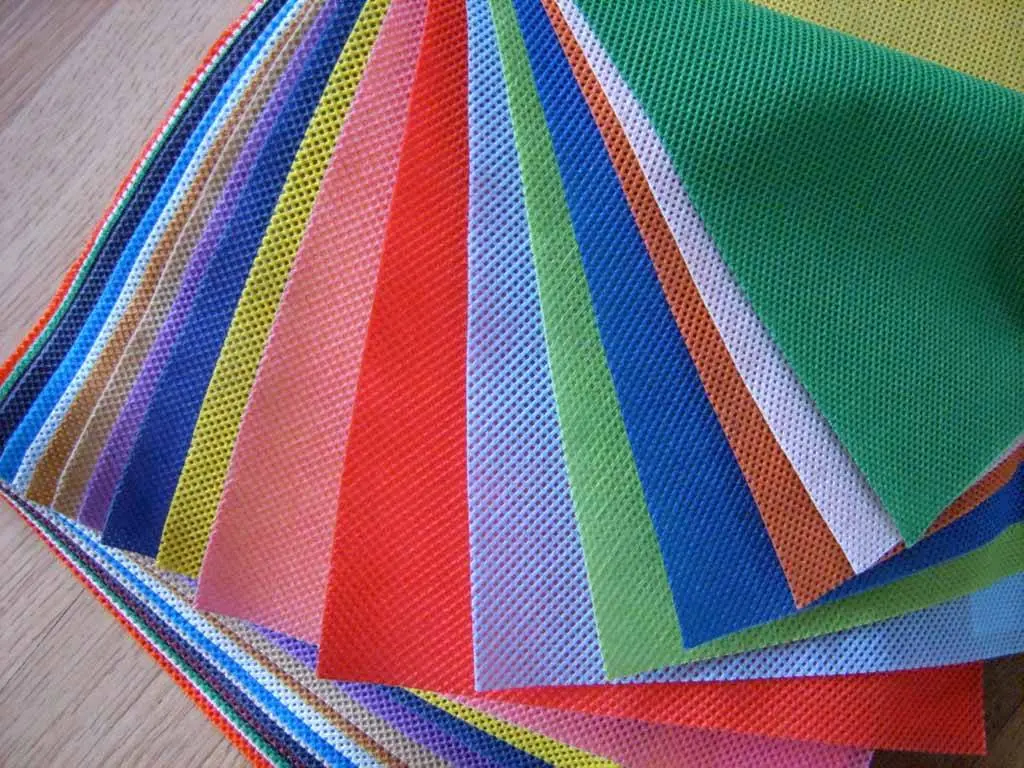
Magnesium oxide, commonly known as bitter earth (magnesia), is a typical inorganic functional material. It not only possesses excellent high-temperature resistance but also exhibits outstanding antibacterial, adsorptive, and acid-base resistance capabilities. When this inorganic “tough guy” meets organic polymer PP non-woven fabrics, a fascinating chemical reaction takes place at the microscopic level. As an inorganic flame retardant, magnesium oxide can improve the fire resistance of PP non-woven fabrics. Although PP materials are flammable, magnesium oxide releases crystal water upon thermal decomposition, which absorbs heat and dilutes combustible gases, thereby playing a role in flame retardancy and smoke suppression, and enhancing the overall safety of the material.
Magnesium oxide serves as an “anti-aging miracle” for PP non-woven fabrics. As a polymer material, the greatest enemies of PP non-woven fabrics are ultraviolet (UV) radiation and thermal oxidation. Prolonged exposure to sunlight or high-temperature environments easily breaks the polypropylene molecular chains, leading to brittleness, yellowing, or even powdering of the fabric. By uniformly adding nano-scale magnesium oxide particles into the production process of PP non-woven fabrics, the magnesium oxide can absorb UV rays and scavenge free radicals generated by photo-thermal aging. It acts like an invisible sunscreen and antioxidant, significantly extending the service life of non-woven fabrics. This characteristic is particularly crucial for agricultural covering fabrics and geotextiles used outdoors.
Magnesium oxide endows non-woven fabrics with “sterilization superpowers.” Magnesium oxide itself possesses broad-spectrum antibacterial properties, showing significant inhibitory effects on common bacteria such as Escherichia coli and Staphylococcus aureus. Safety is of paramount importance in medical and sanitary fields such as masks, sanitary napkins, and wet wipes. By loading magnesium oxide powder onto the non-woven fibers, the growth and reproduction of bacteria on the surface of the non-woven fabric can be effectively inhibited. Compared with traditional chemical antibacterial agents, this physical antibacterial method is more environmentally friendly, safer, and less prone to inducing drug resistance, providing a solid health defense line for consumers.
Magnesium oxide also improves the “physique” of non-woven fabrics. In terms of physical properties, the high hardness of magnesium oxide can moderately enhance the dimensional stability of the non-woven fabric. Meanwhile, the surface of magnesium oxide is rich in active sites, endowing it with exceptional adsorption capacity. This enables modified PP non-woven fabrics to perform exceptionally well in eliminating odors and adsorbing harmful gases (such as formaldehyde and smoke), making them frequently used in the manufacturing of air purification filters or deodorizing insoles.
The application of magnesium oxide in PP non-woven fabrics is not a simple physical mixture, but rather a sophisticated upgrade in materials science. It uses the strength of inorganic materials to compensate for the shortcomings of organic materials, transforming ordinary PP non-woven fabrics into anti-aging, antibacterial, eco-friendly, and multi-functional novel materials. With continuous technological advancements, this white powder is bound to build an invisible yet real safety “shield” for us in even more fields.