
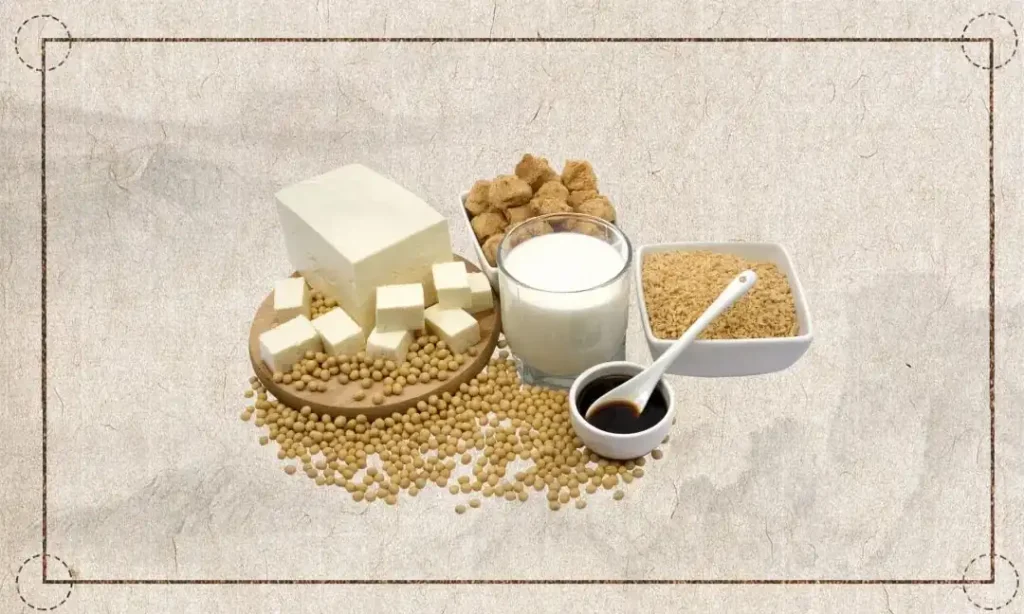
Messi Biology states that as a traditional source of high-quality plant protein in China, soy products have a long and rich history in their production techniques. In modern soy product manufacturing, the selection and application of coagulants directly affect the final quality of the products. In addition to traditional magnesium chloride (brine) and calcium sulfate (gypsum), food-grade magnesium oxide, as an important food processing aid, plays a non-negligible role in the production of soy products. From a scientific perspective, this article discusses the application mechanisms and functions of food-grade magnesium oxide in soy product processing.
First, it is crucial to clarify the regulatory status of food-grade magnesium oxide. According to China’s national food safety standards, magnesium oxide (including heavy and light forms) is listed as a permitted food processing aid. This means that it is primarily involved in the processing stage to assist in operational procedures, rather than existing as a main component in the final product. Under the premise of compliant use, its residue levels are generally not subject to strict limits, providing flexible operational space for soy product manufacturing enterprises.
From the perspective of chemistry and processing technology, the application mechanism of magnesium oxide in soy products is mainly reflected in two aspects. First, it acts as a pH regulator. The coagulation of soybean protein is significantly affected by pH values. When magnesium oxide encounters water, it slowly hydrates to generate magnesium hydroxide, releasing hydroxide ions to neutralize trace acidic substances generated in soybean milk during soaking or fermentation, thereby maintaining the relative stability of the pH value in the soybean milk system. This stable pH environment creates favorable conditions for the subsequent orderly coagulation of proteins, helping to enhance the reaction efficiency of coagulants.
Second, magnesium oxide plays a role in assisting coagulation and improving texture. Although its coagulation capacity is not as rapid and direct as that of magnesium chloride, the slowly released magnesium ions can interact with soybean protein molecules to participate in constructing the gel network structure. In actual production, it is often compounded with other coagulants. Through a synergistic effect, the gel structure of tofu or soybean pudding becomes more delicate and uniform, thereby improving the product’s taste and water-holding capacity, reducing the breakage rate, and increasing the yield. In addition, magnesium oxide also has certain preservative and freshness-keeping functions. Because it can adjust the system’s pH to be slightly alkaline, this environment inhibits the growth of certain spoilage microorganisms to a certain extent, thereby extending the shelf life of soy products.
Of course, the premise of scientific application is strict safety control. The processing of soy products must use “food-grade” magnesium oxide that meets national standards, and the use of industrial-grade raw materials is strictly prohibited to avoid contamination by harmful substances such as heavy metals. Through scientific mechanisms such as pH adjustment, coagulation assistance, and gel structure improvement, food-grade magnesium oxide effectively enhances the stability of the production process and product quality in soy product processing. It is a scientific, compliant, and efficient processing auxiliary material in the modern soy product industry, which together with traditional coagulants forms the technological foundation for high-quality soy product processing.