
Messi Biology stated that the treatment of wastewater using magnesium oxide relies on a core mechanism combining chemical precipitation and adsorption synergy. Magnesium oxide is slightly soluble in water, first hydrolyzing to form magnesium hydroxide, which slowly releases magnesium ions and hydroxide ions to stabilize the water’s pH within the optimal range of 8.5–9.5.
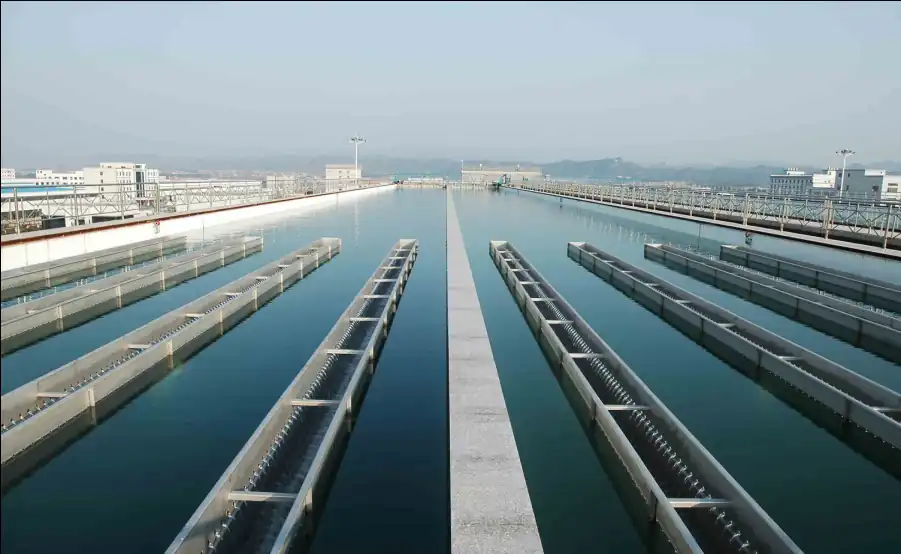
In this environment, magnesium ions combine with phosphate radicals to form poorly soluble precipitates such as magnesium phosphate. With an extremely low solubility product, these precipitates can be rapidly separated from the water. Simultaneously, the high specific surface area of porous magnesium oxide provides a large number of active sites, further capturing residual phosphorus through electrostatic adsorption, ligand exchange, and surface complexation. This dual action makes phosphorus removal more thorough.
Magnesium oxide features mild alkalinity, produces no toxic residues, generates less sludge, settles quickly, exhibits good dehydration performance, and facilitates subsequent disposal. Its raw materials are widely available, reasonably priced, and low-grade; light-burned magnesium powder can meet engineering requirements, significantly reducing operating costs while simultaneously removing partial heavy metals and fluorides to achieve multiple uses for a single agent.
In engineering applications, the phosphorus removal process using magnesium oxide is simple and highly adaptable. It can be directly added to aeration tanks, sedimentation tanks, or advanced treatment units. The reaction takes place at room temperature and normal pressure without the need for complex equipment. For high-phosphorus wastewaters such as municipal sewage, aquaculture wastewater, and food processing wastewater, the phosphorus removal rate can generally reach over 95%, ensuring that the total phosphorus in the stored water stably meets discharge standards.
Even more valuable is that the reaction products can be recovered to produce magnesium ammonium phosphate (struvite) for use as a slow-release fertilizer, returning to agriculture and turning waste into treasure in line with the concept of a circular economy.