
The application of magnesium hydroxide in dental materials provides a new option for protecting teeth.
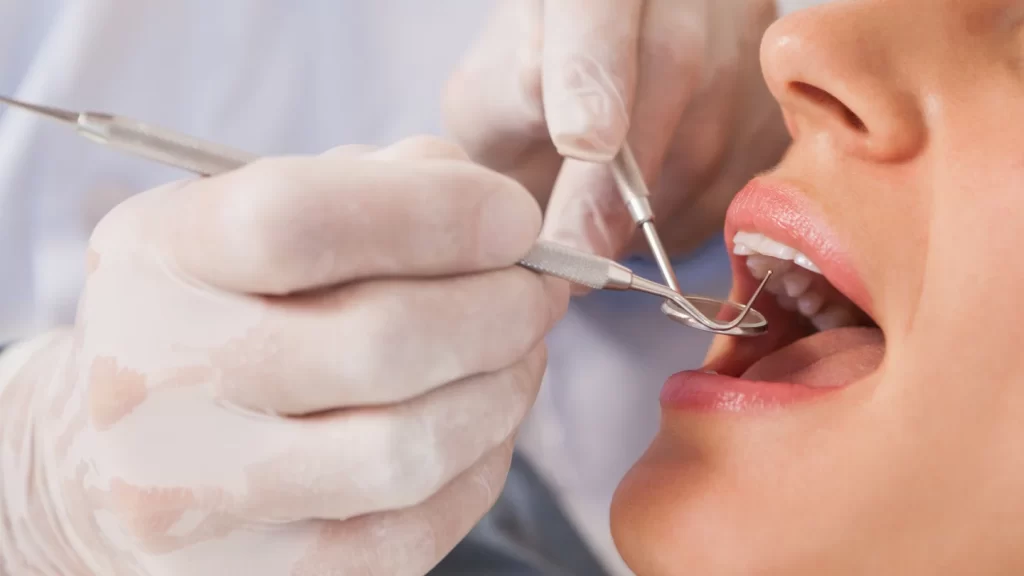
Magnesium hydroxide (Mg(OH)₂) plays an important role in dental care products due to its unique chemical and physical properties. It shows notable effects in areas such as teeth whitening, desensitization, antibacterial action, and improving the oral environment, offering new possibilities for the innovation and application of dental materials. The specific analysis is as follows:
Teeth Whitening: The application of magnesium hydroxide in tooth whitening products is one of its notable functions. It can react with pigment molecules on the tooth surface, removing stains and pigment deposits through chemical adsorption and physical abrasion, thereby helping to whiten teeth. This whitening method is relatively gentle and reduces the risk of excessive wear or irritation to the teeth, making it a safe and practical approach to tooth whitening.
Desensitization: Tooth sensitivity is a common concern for many consumers, and magnesium hydroxide plays a helpful role in desensitizing dental products. It can neutralize acidic substances in the oral cavity, reducing tooth sensitivity to acidic foods and beverages. Additionally, magnesium hydroxide can assist in repairing micro-fissures on the tooth surface and enhancing tooth tolerance, thereby helping to reduce the occurrence of sensitivity.
Antibacterial Action: Magnesium hydroxide possesses certain antibacterial properties, which can inhibit bacterial growth in the oral cavity and reduce dental plaque formation. This is of significance for maintaining oral hygiene and preventing common oral conditions such as gingivitis and periodontitis. Utilizing dental care products containing magnesium hydroxide can help users keep their mouths clean, reduce bacterial proliferation, and support overall oral health.
Improving the Oral Environment: Magnesium hydroxide can regulate the acid-base balance in the oral cavity, contributing to a healthier oral environment. It helps neutralize acidic substances in the mouth, reducing potential damage from acidic conditions to the teeth and gums, while promoting mucosal health. Furthermore, the mild nature of magnesium hydroxide prevents discomfort during oral use, making it suitable for long-term application.
Enhancing the Quality of Dental Care Products: The widespread application of magnesium hydroxide in dental care products is based not only on its functionality but also on its ability to enhance overall product quality. It can increase the viscosity and stability of toothpaste and mouthwash, improving the texture and user experience. The inclusion of magnesium hydroxide can also enhance product safety, reducing irritation to the oral mucosa and making the products gentler.
Other Applications: Magnesium hydroxide also shows potential in dental filling materials and whitening agents. In the field of dental implants, combining magnesium oxide with bioactive glass can improve the biocompatibility and osseointegration of the implant. Furthermore, nanometer magnesium hydroxide (NMH) exhibits favorable antibacterial activity against Streptococcus mutans (S. mutans) and can be used to modify AH Plus sealers to help eliminate residual bacteria and prevent reinfection.
In summary, the application of magnesium hydroxide in dental materials offers a promising option for tooth protection. From whitening teeth and reducing sensitivity to improving the oral environment, magnesium hydroxide demonstrates useful chemical and biological properties. With further research and technological progress, the applications of magnesium hydroxide in the dental field are expected to expand, providing supportive care for oral health.