
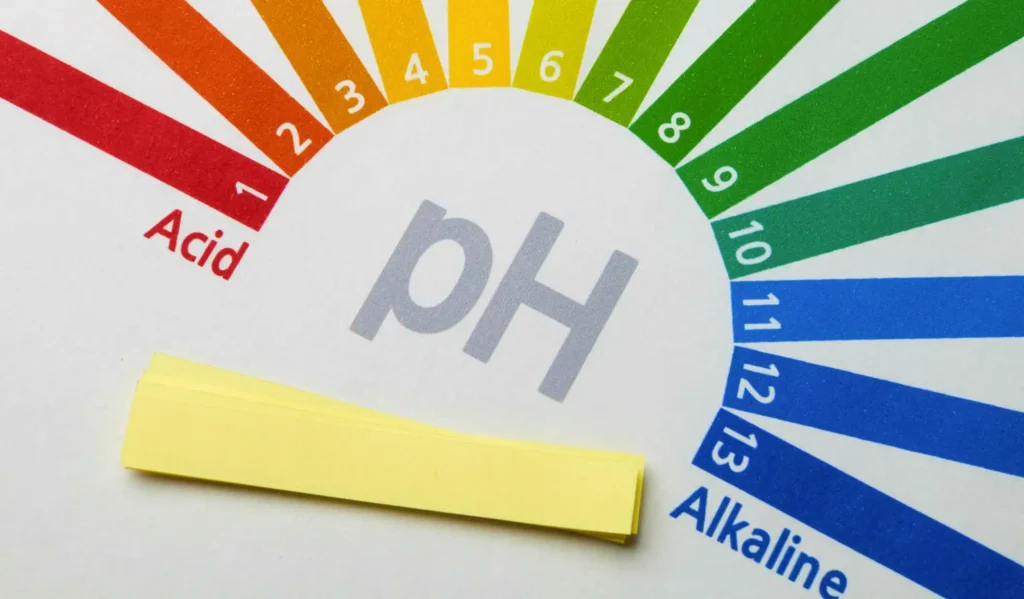
Messi Biology states that magnesium hydroxide is inherently a weakly alkaline substance with a pH between 9 and 10, characterized primarily by extremely low water solubility and a very slow release of alkalinity. When it encounters excess acidic components in food—such as fruit acids in juice or lactic acid in yogurt—it undergoes a slow and steady neutralization reaction, forming soluble magnesium salts and water. This steadily brings the pH back to the target range without causing the abrupt, “roller-coaster” pH swings seen with strong alkalis. This slow-release neutralization gives it a natural advantage: the reaction is gentle, produces no gas, does not scorch the food system, and does not destroy vitamins or flavor compounds, thereby avoiding phase separation, precipitation, and nutrient loss caused by drastic pH fluctuations.
Dairy products and yogurt are among the primary applications for magnesium hydroxide. During yogurt fermentation, lactic acid bacteria continuously produce acid; once the pH drops below 3.8, the taste becomes overly sour and whey separation easily occurs. Adding magnesium hydroxide can stabilize the pH at 4.2–4.6, resulting in a better-balanced sweet-and-sour flavor and a thicker, smoother texture. Fruit juices and plant-based protein beverages also rely heavily on it. Proteins in soy milk and almond milk are sensitive to pH and easily flocculate and separate when acidity rises. Magnesium hydroxide adjusts the system back into the protein stability range, keeping the drinks free from cloudiness and sedimentation even after prolonged storage.
Fermented foods such as pickles, soy sauce, and vinegar likewise depend on it. Adding magnesium hydroxide to pickles prevents vegetables from becoming mushy due to over-acidification; in the late stages of vinegar fermentation, when acidity spikes too sharply, adding a small amount makes the vinegar flavor mellower and smoother. It is also used in baking and confectionery: adding trace amounts to bread dough optimizes yeast activity for a fluffier texture, while during cocoa and chocolate processing, it is responsible for adjusting acidity to the proper level.
Magnesium hydroxide is a legal food additive under major global food regulatory systems, including the U.S. FDA, the EU’s EFSA, China’s GB 2760, and Japan’s Ministry of Health, Labour and Welfare—meaning that when used in accordance with normal processing practices, no upper daily intake limit needs to be set. Even better, once it enters the human body, it dissociates into magnesium ions—an essential mineral involved in over 300 enzymatic reactions, including energy metabolism, nerve transmission, and bone formation. The small amount of magnesium remaining in food can even help fill the gap in daily magnesium intake.