
Behind everyday items like switch panels, electric iron handles, and automotive distributor caps lies a classic material that was born over a century ago: Bakelite powder. Scientifically known as phenolic molding compound, it is made by the polycondensation of phenol and formaldehyde into resin, which is then mixed with fillers such as wood flour and mica and compressed. Thanks to its unique characteristic of becoming ” infusible and insoluble” after heat-cured, Bakelite became the world’s first fully synthetic plastic and remains a mainstay in the field of electrical insulation to this day. However, although phenolic resin is inherently heat-resistant and insulating, it is not flawless: long-term operation at high temperatures can cause slow aging and decomposition, and acidic substances may remain after curing, corroding the internal structure. To make Bakelite products truly withstand the dual tests of electricity and heat, formulators have collectively turned to the same “helper”—magnesium oxide (MgO).
Many people think that heat insulation means “trapping” heat, but a more scientific approach is to conduct it away first and then block it. The thermal conductivity of magnesium oxide powder is much higher than that of ordinary organic fillers. When evenly dispersed into the phenolic resin, heat accumulated at local points can be quickly dissipated throughout the whole body, preventing local overheating and burning. At the same time, magnesium oxide itself has a melting point of over 2800°C, and is non-flammable under heat without releasing combustible gases. It acts as a pre-embedded high-temperature-resistant barrier inside the resin, delaying the spread of flames when a fire strikes. This dual personality of “both conducting and resisting heat” is the key to why Bakelite powder can maintain dimensional stability in high-temperature environments.
What electrical insulation materials fear most is not current leakage at room temperature, but performance collapse in high-temperature or humid environments. With a stable crystal lattice structure and a band gap close to 7.8 electron volts, electrons in magnesium oxide are hard to be excited for transition, thereby maintaining an extremely high volume resistivity across a wide temperature range. Even when the surrounding environment is relatively humid, qualified pure magnesium oxide can still form a dense insulation protective layer to block current leakage paths. This makes Bakelite powder particularly reliable when manufacturing circuit breakers, igniters, and high-voltage electrical components, and explains why industrial-grade Bakelite formulations can hardly do without it.
Magnesium oxide has another easily overlooked identity in the phenolic system—a curing accelerator. As an alkaline substance, it can lower the activation energy of the resin cross-linking reaction, making the hardening speed faster and the molding cycle shorter during compression molding. At the same time, it can neutralize trace acidic components left over during the resin synthesis, preventing premature product aging caused by “hidden corrosion” during use. In other words, magnesium oxide is both a performance enhancer and a quality stabilizer.
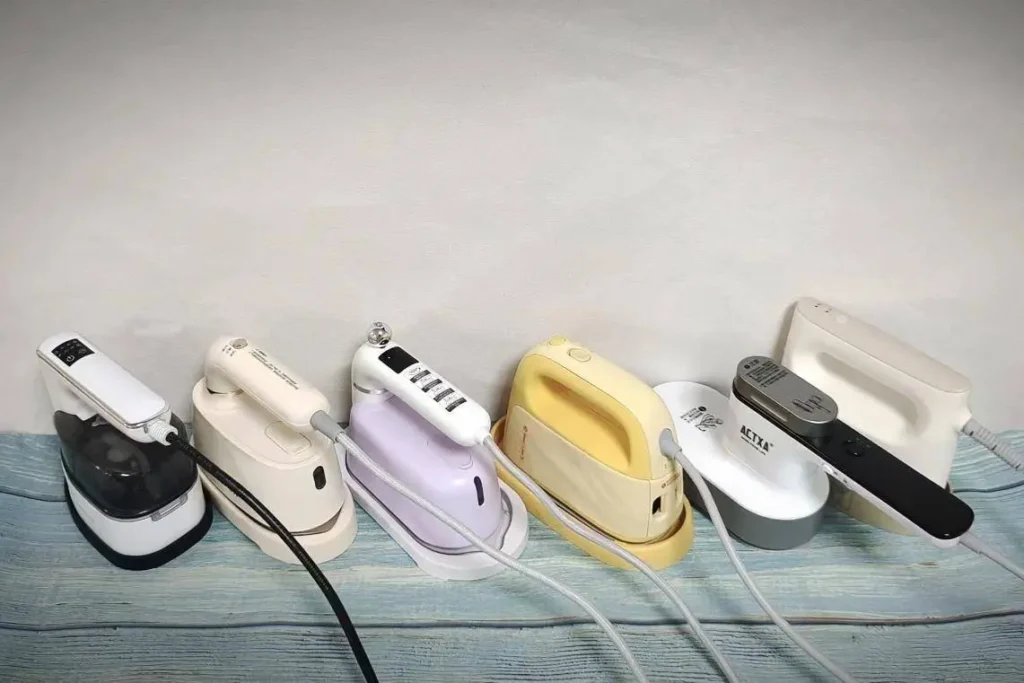
Bakelite powder infused with magnesium oxide is commonly found in scenarios that require both “carrying electricity” and “resisting heat,” such as electric iron bases, cookware handles, motor commutators, and automotive ignition system housings. The common characteristics of these products are that they remain at relatively high temperatures for long periods, require stable insulation, and must withstand daily wear and tear—qualities that precisely correspond to the heat resistance, insulation, and reinforcement triple capabilities imparted by magnesium oxide to Bakelite powder. From the invention of phenolic resin in 1907 to the continuous evolution of Bakelite formulations today, magnesium oxide has always been that “indispensable” classic filler. Unobtrusive yet vital, it quietly safeguards the safe operation of every Bakelite product where electrical current and high temperatures intertwine, making it one of the most iconic inorganic partners in the polymer world.