
Messi Biology stated that magnesium oxide (MgO) is actually “afraid of water” by nature; upon contact with water, it undergoes a hydration reaction: MgO+H₂O→Mg(OH)₂, which is followed by a series of problems such as volume expansion and performance degradation. Interestingly, in many products, this white powder acts precisely as a “guard” helping other materials resist hydrolysis. This seemingly contradictory identity perfectly reflects the ingenuity of material design.
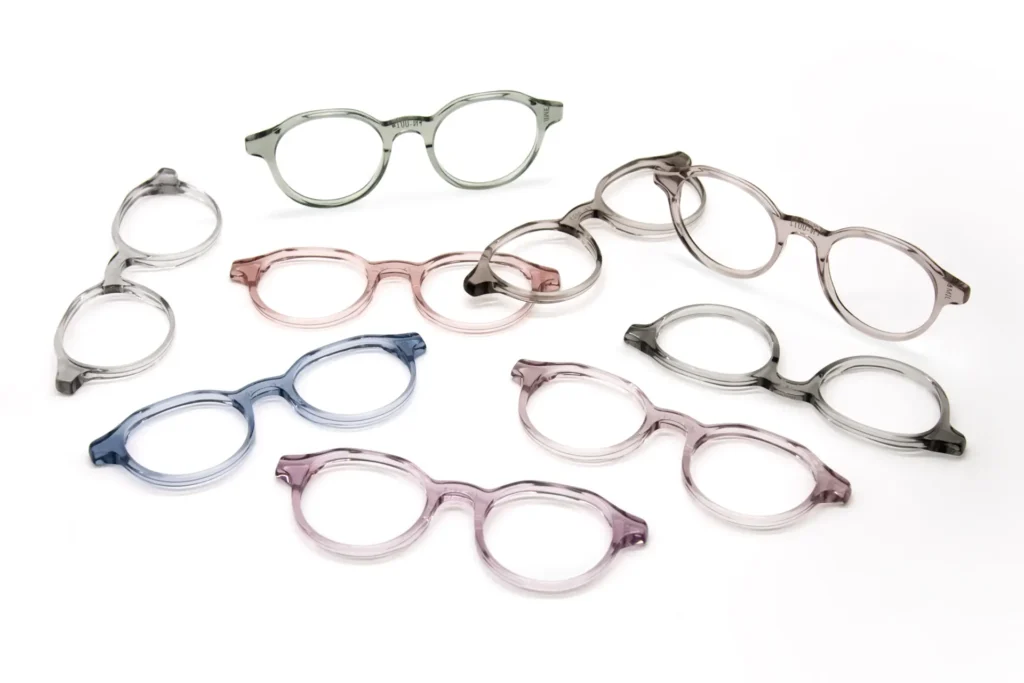
Let’s first look at where hydrolysis comes from. Hydrolysis in products is rarely driven by water “fighting solo”; rather, accomplices are usually at fault—specifically, free acids, metal ions, and residual moisture. For example, PVC plastics decompose at high temperatures to release hydrogen chloride (HCl), which in turn catalyzes further degradation of the plastic, forming a vicious cycle; the ester bonds in cellulose acetate (the raw material for eyeglass frames and photographic films) are easily cleaved through acid catalysis, causing the products to become brittle and yellow; meanwhile, the harmful crystal phases in magnesium oxychloride cement products hydrolyze upon encountering water, leading to “salt efflorescence” and strength reduction. Facing these destructors, magnesium oxide plays three strategic cards.
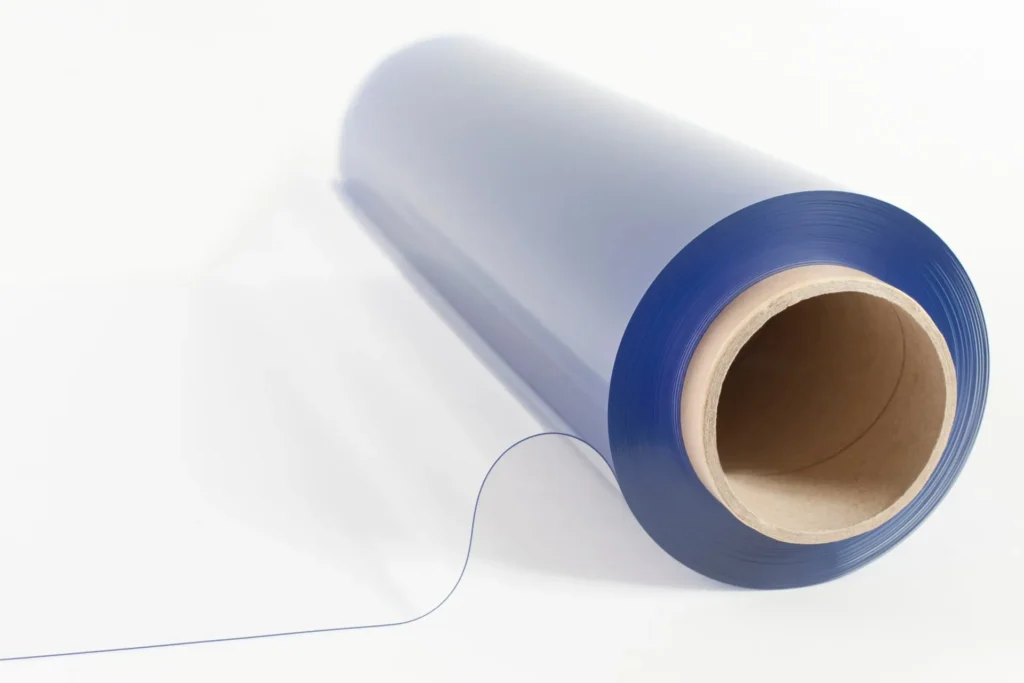
The first card is acid neutralization. Magnesium oxide is a strongly basic oxide that reacts with acids: MgO+2HCl→MgCl₂+H₂O. It consumes hydrogen ions—the “masterminds” catalyzing hydrolysis—cutting off the autocatalytic chain from the source. Adding 0.1 to 3 parts of active magnesium oxide to PVC cable compounds can significantly delay thermal degradation and yellowing.
The second card is moisture absorption and locking. Magnesium oxide is porous and has a large specific surface area, allowing it to adsorb free water in the system and convert it into fixed magnesium hydroxide, which is equivalent to having a built-in “physical drying” function. Adding 0.5% to 5% of it to hard capsules can protect drugs that are susceptible to moisture absorption and deterioration.
The third card is buffering and chelation. It can stabilize the pH of the system within a mild range and also adsorb trace metal ions like iron and copper that catalyze hydrolysis. Adding about 1% to isothiazolinone preservatives can significantly extend their shelf life.
Of course, to play these good cards well, certain practices must be followed. First, the activity grade must match: reactive systems such as PVC and cellulose acetate require high-activity magnesium oxide, whereas pharmaceutical excipients demand low-impurity grades. Second, the dosage must be moderate; excessive amounts will make plastic surfaces rough and capsules overly alkaline, so the optimal range must be determined through preliminary tests. Third, dispersion must be even; agglomerated magnesium oxide will become defect points, significantly reducing its effectiveness. Fourth, storage must be sealed; once opened, magnesium oxide absorbs moisture and carbon dioxide from the air, and its activity declines accordingly.
From delaying the yellowing of eyeglass frames to safeguarding the lifespan of cables, and from preventing plate efflorescence to extending the stability of drug efficacy, magnesium oxide plays a low-profile yet critical role in various formulations. It reminds us that to understand a raw material, one must look not only at its inherent properties, but also at which side it stands on within the system. When placed in the right position, a powder that is “afraid of water” can also become a barrier against water.