
“Magnesium oxide,” the active ingredient in a common stool softener, recently drew public attention due to shortages. Statistics from the National Health Insurance Administration (NHIA) show that monthly NHI-reimbursed consumption in Taiwan reaches approximately 20 million tablets, highlighting that constipation remains a widespread issue. Pharmacists advise that magnesium oxide should preferably not be used continuously for more than two weeks; otherwise, the natural motility of the gastrointestinal tract may be affected.
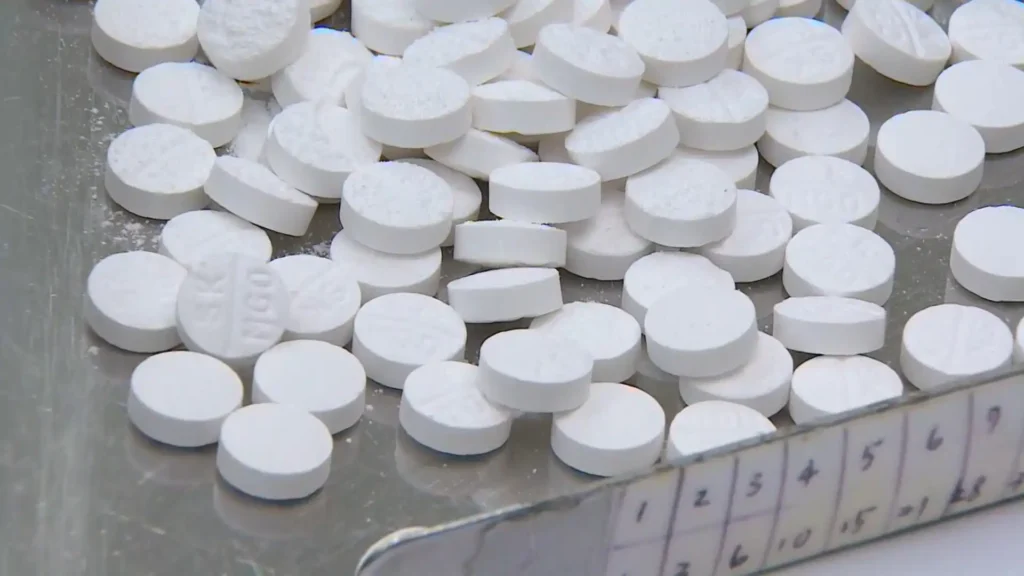
Previously, manufacturers faced lower incentives to produce magnesium oxide (an NHI-reimbursed over-the-counter stool softener) due to rising production costs. Following an increase in the NHI-reimbursed drug price, supply is expected to stabilize. However, regarding whether the supply crisis has been fully resolved for community pharmacies, Yi Li-chen, a pharmacist at Lizhong Pharmacy, noted that while ordering magnesium oxide is more stable than before, manufacturers are still “controlling allocations.” Consequently, pharmacies cannot order their full desired quantities at once, though placed orders are generally fulfilled.
However, Yi also mentioned that community pharmacies frequently receive prescriptions for magnesium oxide, sometimes in the form of three-month chronic disease refill prescriptions. In practice, continuous use of magnesium oxide for more than two weeks can lead to tolerance, making the gastrointestinal tract less accustomed to moving on its own. As a result, the required dosage may gradually escalate from one tablet to four. Instead, individuals should establish regular bowel habits by adjusting their lifestyle.
“Long-term use of stool softeners can interfere with the absorption of vitamins C, B12, and B6,” Yi pointed out. She noted that prolonged use of magnesium oxide may cause bowel irritation, making the supplementation of vitamins C, B12, and B6 necessary. Furthermore, stool softeners only soften the stool to make it easier to pass, but the intestinal tract still requires physical force to push it through. This movement can be facilitated through abdominal massage rather than relying solely on medication.
Photo / Yu Cheng-han
Yi suggested that individuals with reduced gastrointestinal function can supplement with probiotics when appropriate. If gut motility is weak, increasing water intake is also beneficial. Some elderly individuals with mobility issues avoid drinking water to reduce trips to the bathroom, which instead leads to constipation and a dependency on stool softeners—creating a vicious cycle. Magnesium oxide should only be used when necessary. While caregivers or family members often worry and administer medication if a relative has not had a bowel movement for three days, it is actually normal if the elderly individual’s regular habit is to pass stool once every three days.
The Taiwan Food and Drug Administration (TFDA) outlines five main types of laxatives:
- Saline laxatives: Such as those containing magnesium salts, which draw water into the intestinal tract to increase bowel movement frequency.
- Bulk-forming laxatives: Such as those containing calcium polycarbophil or psyllium hydrophilic mucilloid, which utilize dietary fiber to absorb water and expand in the gut, promoting peristalsis and softening stool to facilitate bowel movements.
- Hyperosmotic laxatives: Such as those containing glycerin, which soften stool and provide lubrication to the intestinal tract.
- Emollient laxatives (stool softeners): Such as docusate sodium (dioctyl sodium sulfosuccinate, DSS), which act as surfactants to soften the stool.
- Stimulant laxatives: Such as those containing bisacodyl or sennosides A and B, which stimulate the intestines to accelerate bowel movement.
Shih Jui-hu, an educational training officer at the Department of Clinical Pharmacy of Tri-Service General Hospital, noted that oral stool softeners like magnesium oxide are generally not used in conjunction with enemas. Glycerin enemas are primarily used to clear stool from the rectum, whereas oral stool softeners act within the upper gastrointestinal tract. Combined use typically occurs only when bowel cleansing is required for medical examinations. Regardless of the method, long-term use of these products is not recommended, as normal bowel movements require the relaxation of the parasympathetic nervous system, and medications may interfere with these natural physiological processes.