
Messi Biology states that low-metal-impurity anhydrous magnesium carbonate is a high-purity inorganic powder based on anhydrous magnesium carbonate, where metal ions such as iron, calcium, sodium, potassium, manganese, and heavy metals are strictly suppressed to the ppm level through a refined purification process. The national standard GB/T 27814-2011 specifies an MgO content of ≥46.5%, CaO≤0.40%, Fe≤0.02%, and Mn≤0.004%. Meanwhile, high-end electronic-grade products further push the purity of magnesium carbonate to over 99.9%, with impurities such as iron, sodium, and chloride ions generally kept below 10 ppm. It is precisely this “cleanliness” that upgrades it from a conventional filler to an “entry ticket” for the high-end manufacturing sector.
In terms of appearance, anhydrous magnesium carbonate is a white, loose, crystalline powder with light texture, high whiteness, and no odor, exhibiting stable chemical properties at room temperature. Regarding solubility, it is almost insoluble in water and ethanol, but reacts rapidly with strong acids such as dilute hydrochloric acid and dilute sulfuric acid, releasing carbon dioxide. This characteristic allows it to remain inert in neutral systems while being “gently activated” when needed. Its thermal behavior is one of its most valuable assets. In the temperature range of 300–500°C, anhydrous magnesium carbonate gradually decomposes into magnesium oxide and carbon dioxide, with a specific endothermic heat absorption as high as approximately 864 J/g, and the decomposition process releases no harmful gases. This means that in high-temperature scenarios, it can simultaneously achieve “heat absorption and cooling” and “release inert gas” to isolate oxygen sources—precisely the reaction pathway desired by halogen-free flame retardant systems.
Although metal impurities are present in extremely low contents, they pose irreversible hidden dangers: iron ions easily form color centers, causing ceramics, glass, and rubber products to yellow and darken; alkali metal ions such as sodium and potassium migrate under an electric field, leading to increased dielectric loss and leakage current; and trace heavy metals directly touch safety red lines in the pharmaceutical and food fields. In other words, reducing metal impurities from “one-thousandth” to “parts per million” changes not just numbers, but whether an entire material can enter high-end applications.
In the field of electronic ceramics and functional materials, magnesium carbonate is a core precursor for multi-layer ceramic capacitors (MLCCs), microwave dielectric ceramics, and LTCC substrates. The Mg²⁺ produced by its decomposition can refine crystal grains, inhibit abnormal growth, and lower the sintering temperature by 50–200°C, while ensuring the insulation resistance and dielectric stability of components through ultra-low metal impurities. In 5G and AI chip packaging, it is gradually replacing traditional oxide systems.
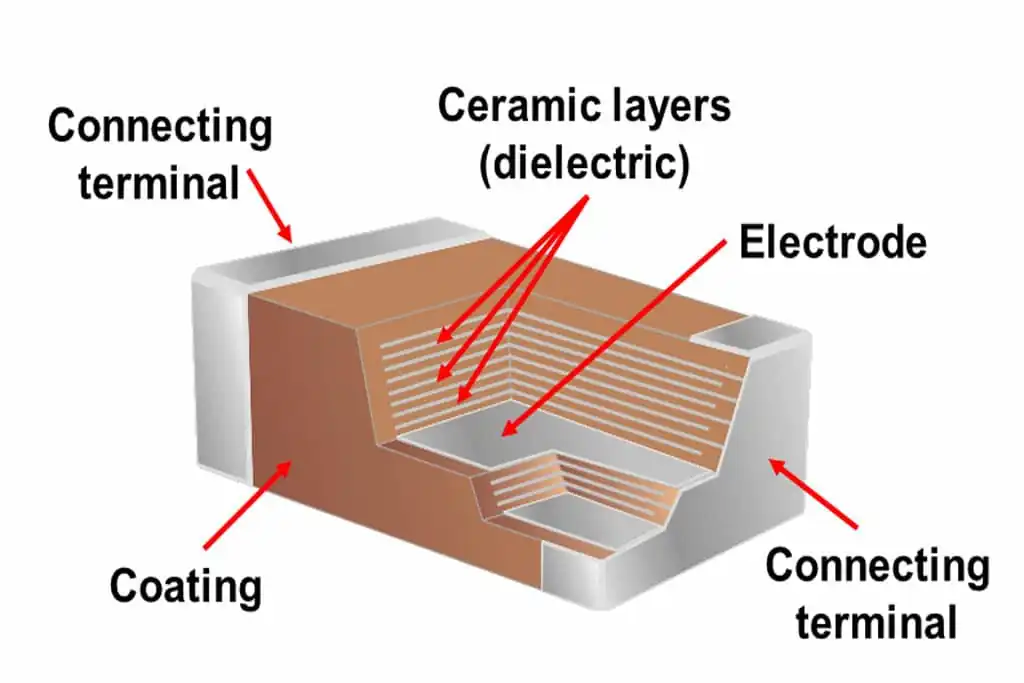
In the high-end rubber and plastics filling sector, it belongs to “semi-reinforcing” fillers, combining the advantages of high whiteness and low specific gravity, making it particularly suitable for transparent shoe soles, medical gloves, transparent hoses, and other products sensitive to color and light transmittance. Its low impurity content also prevents metal ions from catalyzing polymer aging and degradation.
In the field of halogen-free flame retardance, it is an ideal substitute for aluminum hydroxide and magnesium hydroxide. The triple mechanism of endothermic decomposition, carbon dioxide release, and a residual MgO isolation layer makes it perform exceptionally well in high-insulation application scenarios such as wires and cables, electronic casings, and fireproof coatings.
In the pharmaceutical, food, and new energy sectors, pharmaceutical-grade products are used as antacids, excipients, and magnesium supplements, while food-grade products are used as flour treatment agents and anti-caking agents, with heavy metal and arsenic contents strictly controlled below the limits of 20 mg/kg and 3 mg/kg, respectively. In lithium batteries, it can serve as an electrolyte acid-removal stabilizer and a separator ceramic coating precursor to enhance battery cycle life and thermal runaway thresholds.
From appearance, solubility, to thermal decomposition behavior, the basic physical properties of anhydrous magnesium carbonate are not unusual. What is remarkable is that after pushing every metal impurity indicator to its limit, it unlocks huge imaginative spaces in tracks such as electronic ceramics, halogen-free flame retardance, new energy, and pharmaceuticals and food. Today, as high-end materials continuously evolve toward “low impurity, ultra-fine, and functionalization,” the value of low-metal-impurity anhydrous magnesium carbonate lies in supporting the reliability foundation of one high-precision product after another with extreme “cleanliness.”