
Messi Biology states that in our daily lives, the chemical industry often plays the role of an “unsung hero.” If you have ever paid attention to agricultural fertilizers, environmental protection, or new materials, you might have heard the name “magnesium hydrogen phosphate.” As an important inorganic salt, magnesium hydrogen phosphate has a wide range of applications in fertilizer additives, food nutritional fortifiers, and the biomedical field. However, during the birth and transformation of this substance, another seemingly ordinary white powder—magnesium oxide—plays an indispensable and key role. Today, let’s talk about the fascinating chemical reactions of magnesium oxide in the application of magnesium hydrogen phosphate.

First, we need to understand how magnesium oxide “manufactures” magnesium hydrogen phosphate. In industrial production, magnesium hydrogen phosphate is usually prepared through a neutralization reaction between phosphoric acid and a magnesium source. Magnesium oxide is precisely one of the most ideal and commonly used magnesium sources. This is not only because magnesium oxide is rich in magnesium elements, but also because of its unique chemical property—alkalinity. When magnesium oxide encounters acidic phosphoric acid, a precise “acid-base neutralization dance” takes place. This process not only efficiently synthesizes magnesium hydrogen phosphate, but more importantly, magnesium oxide acts as the “pH regulator” of the reaction. By controlling the amount of magnesium oxide added and the reaction rate, engineers can precisely adjust the acidity and alkalinity of the solution, ensuring that magnesium hydrogen phosphate is produced rather than magnesium phosphate or other by-products, thereby guaranteeing the purity and quality of the product.
Secondly, in the field of environmental protection, the combination of magnesium oxide and magnesium hydrogen phosphate is a powerful tool for solving water pollution. In wastewater treatment, especially in the recovery and utilization of phosphorus from wastewater, the “magnesium salt precipitation method” is often adopted. Here, magnesium oxide is introduced into phosphorus-rich sewage as a magnesium source. After hydrolyzing in water, it can combine with phosphate ions in the wastewater to form magnesium hydrogen phosphate precipitation (i.e., precursors or analogues of struvite). This process not only removes excess phosphorus from the water and prevents eutrophication, but also turns waste into treasure by converting pollutants into valuable agricultural fertilizers. In this process, magnesium oxide serves as both a raw material and a key agent for regulating the pH of the water body, achieving a win-win situation for environmental and economic benefits with its low cost and high efficiency.
Finally, in agricultural applications, the characteristics of magnesium oxide also endow magnesium hydrogen phosphate fertilizers with greater advantages. Directly synthesized magnesium hydrogen phosphate is itself a high-quality slow-release fertilizer, capable of simultaneously providing phosphorus and magnesium urgently needed by crops. In certain specific soil conditioners, the combined use of magnesium oxide and magnesium hydrogen phosphate can not only supplement nutrients, but also utilize the alkaline traits of magnesium oxide to neutralize acidic soils and improve soil structure, allowing crops to grow stronger.
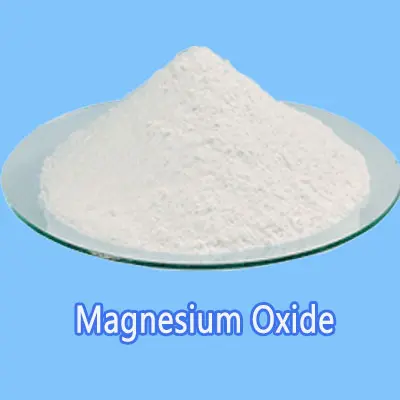
Magnesium oxide is the “core framework” in the manufacturing process of magnesium hydrogen phosphate, the “purification guard” in environmental protection and recovery, and the “invisible pusher” behind agricultural harvest. It is precisely the marvelous dance of these white powders that allows the value of magnesium hydrogen phosphate to be fully unleashed in modern technological life. The charm of science is often hidden in these seemingly ordinary yet indispensable interactions.