
Messi Biology states that under the growing demand for high-temperature resistant, formaldehyde-free, and environmentally friendly industrial bonding, inorganic phosphate adhesives have become a preferred solution in fields such as refractories, casting, construction repair, and aerospace. Magnesium oxide (MgO) is a key component for achieving rapid room-temperature curing, as well as enhancing high-temperature strength and durability in these adhesives, often referred to as the “curing key” for inorganic phosphate adhesives.
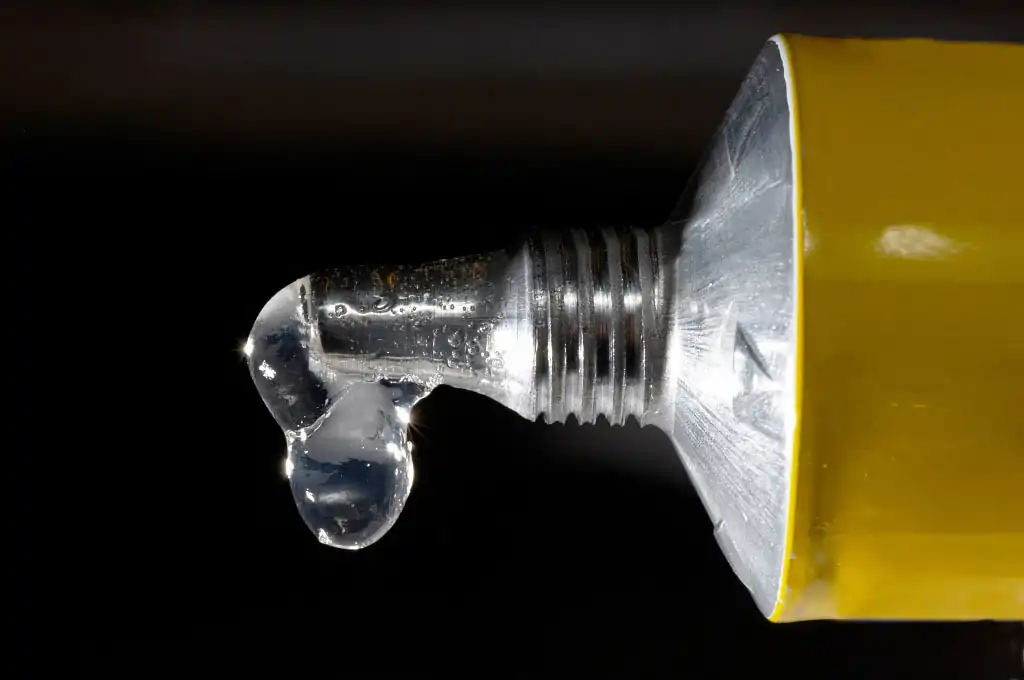
Inorganic phosphate adhesives use phosphoric acid, aluminum dihydrogen phosphate, potassium dihydrogen phosphate, etc., as matrices, relying on chemical reactions to form a dense inorganic network. Magnesium oxide does not act merely as a filler; instead, it participates in core cross-linking as an active curing agent. MgO reacts rapidly with phosphate ions in an aqueous medium to generate magnesium phosphate hydration products, forming a ceramic-like rigid structure within a short period, which transitions the adhesive layer from a liquid state to a high-strength solid state. This process requires no high-temperature baking and can be completed at room temperature, significantly improving construction efficiency.
The influence of magnesium oxide runs throughout the performance of the adhesive.
- Curing Regulation: Highly active magnesium oxide reacts quickly and has a short initial setting time, making it suitable for rapid repairs. Light-burned (caustic calcined) or dead-burned (heavy-burned) magnesium oxide possesses moderate activity, which can extend the operational window to suit processes like spraying and casting.
- High-Temperature Resistance: The magnesium phosphate phase generated from the reaction has excellent thermal stability, enabling the adhesive layer to withstand temperatures of several hundred degrees Celsius. It is non-combustible, smokeless, and does not release toxic substances, outperforming organic adhesives.
- Structural Strength: Acting as micro-skeletons, magnesium oxide particles interlock with the phosphate network, improving compressive, tensile, and impact strength while reducing the risk of shrinkage and cracking.
- System Stability: Magnesium oxide can regulate the pH of the system, stabilize the storage of the adhesive liquid, and improve wetting and adhesion to substrates such as metals, ceramics, and refractory bricks.
In industrial applications, magnesium oxide is not a “one-size-fits-all” product and requires precise selection.
- Purity: Typically required to be 92%–97%, as excessive impurities weaken the reaction and temperature resistance.
- Activity: Determined by the calcination temperature. Light-burned magnesium oxide produced at around 900°C has high activity and fast curing, while dead-burned magnesium oxide produced above 1100°C offers moderate activity and more stable strength development.
- Particle Size: Mainly between 250 and 400 mesh. Finer particle sizes react more thoroughly, while coarser ones help in controlling setting times and providing skeletal support.
- Fused Magnesium Oxide: Due to its high purity and uniform activity, it is frequently used in high-end sealing and high-temperature-resistant components.
Relying on the key role of magnesium oxide, inorganic phosphate adhesives have been applied in numerous scenarios: rapid repair of refractory kiln linings, inorganic bonding of casting sand, reinforcement of concrete structures, bonding of high-temperature filter membranes and fireproof coatings, and sealing of aerospace thermal protection components. It replaces organic glues and traditional cement, addressing pain points such as high-temperature failure, environmental non-compliance, and long construction periods, which aligns with the trend of low-carbon manufacturing.
With the upgrading of material requirements in high-end manufacturing, the application of magnesium oxide in phosphate adhesives is moving towards refinement. Through activity compounding, surface modification, and particle size optimization, a balance among curing speed, high-temperature toughness, and water resistance is being achieved. As a core material of inorganic bonding systems, magnesium oxide will continue to support the development of phosphate adhesives toward higher temperature resistance, greater durability, and greener environmental friendliness, providing reliable support for industrial high-temperatures and structural safety.