
Messi Biology stated that in every corner of the city—whether in shopping malls, office buildings, or home kitchens—the red-and-white dry powder fire extinguisher is a “silent guardian” protecting our safety. When we pick up an extinguisher and the gushing white powder rapidly suppresses the raging flames, few people stop to examine the true identity of this powder. Aside from the widely known ammonium dihydrogen phosphate, another important chemical component—magnesium oxide—plays an indispensable role in certain specific types of dry powder fire extinguishers.
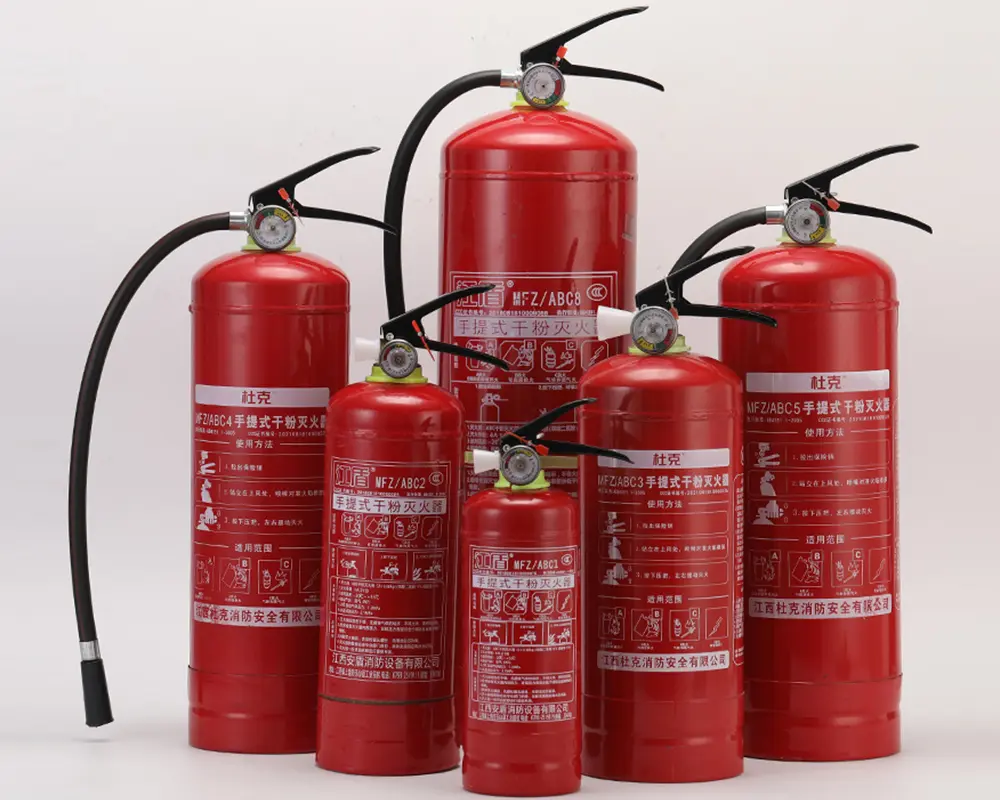
Magnesium oxide, a common white mineral powder, why can it become a powerful tool for extinguishing fires? First, it possesses an excellent physical smothering effect. When the dry powder is sprayed into the fire zone, high-pressure airflow instantly disperses it into a dense mist, covering the surface of the burning material. This dense layer of powder acts like a thick “quilt” thrown over the flame, effectively isolating the oxygen in the air. As is well known, oxygen is one of the three elements of combustion; once the oxygen supply is cut off, the raging fire is quickly extinguished due to “suffocation.”
Secondly, magnesium oxide exhibits outstanding thermal stability and heat absorption capacity at high temperatures. It is a typical refractory material with a melting point exceeding 2800°C. Under the intense heat of the flames, magnesium oxide not only resists decomposition or melting, but also absorbs a large amount of heat. This endothermic reaction can effectively lower the temperature of the combustion zone and interrupt the combustion reaction chain. For solid material fires, this cooling effect prevents reignition and consolidates the firefighting results.
In addition, magnesium oxide often plays the role of a flow aid in dry powder formulations. Dry powder fire extinguishers require the extinguishing agent to have exceptional flowability so that it can rapidly disperse when sprayed. Magnesium oxide particles have a large specific surface area, which allows them to absorb moisture and improve the dispersion performance of the powder, preventing the dry powder from absorbing moisture and caking inside the storage container. This ensures that in an emergency, the moment the handle is pressed, the dry powder can spray out smoothly without clogging.
It is worth mentioning that magnesium oxide itself is non-toxic, non-corrosive, and non-conductive. This makes dry powder fire extinguishers containing magnesium oxide particularly suitable for fighting Class E fires (fires involving energized electrical equipment) as well as fires involving precision instruments and equipment. Unlike water or foam, it will not damage electronic components, nor will it cause secondary harm to the human body. In dry powder fire extinguishers, magnesium oxide is not a simple filler, but a multifunctional “firefighter” combining suffocation, cooling, and moisture-proofing. In the form of white micro-dust, it builds a safety line at the critical moment when fire rages, silently guarding our lives and property safety. Every successful suppression of a fire is inseparable from the powerful assistance of this “fire conqueror.”