
According to Messi Biology, the core effectiveness of magnesium carbonate as an acidity regulator lies in its mild neutralization and long-term buffering capacity. Its aqueous solution is weakly alkaline with a pH of approximately 8–9, reacting smoothly with food organic acids such as citric acid and malic acid without causing a sudden spike in pH that could disrupt flavor and texture. The reaction yields magnesium salts, water, and carbon dioxide, with no harmful byproducts, ensuring the original taste of the food remains unaltered. Meanwhile, the reaction products form a buffering system capable of resisting pH fluctuations during processing and storage, keeping the acidity and alkalinity stably within the ideal range—a characteristic difficult to achieve with ordinary alkaline regulators.
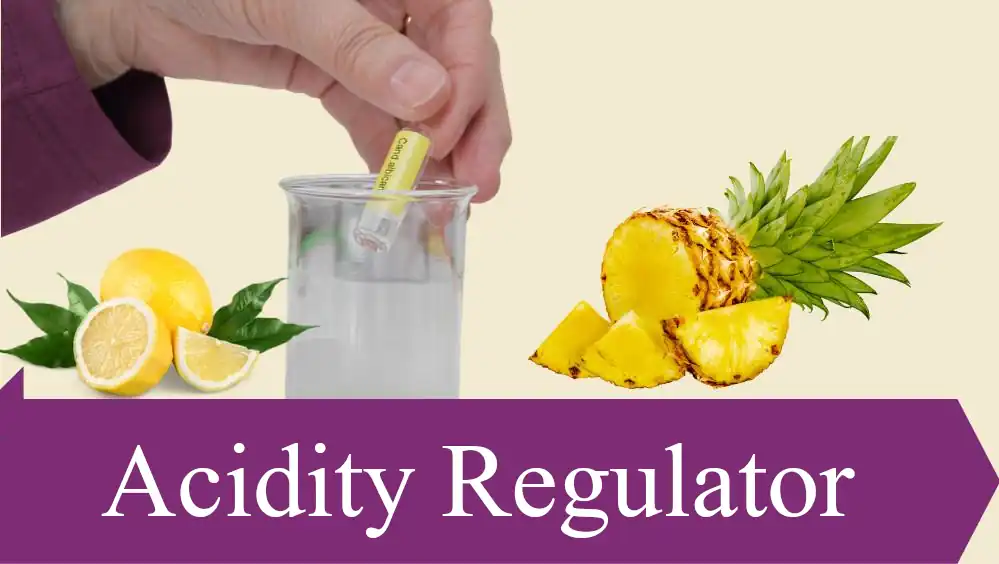
Fruit juices, carbonated beverages, and sports drinks often have sharp sourness due to high organic acid content; adding a trace amount of magnesium carbonate can soften the acidity, reduce oral irritation, and simultaneously stabilize bubbles and color, thereby enhancing the layered texture of the taste. In wine and fruit vinegar brewing, it can precisely reduce excessively high acidity, optimize the balance of the body, and prevent harsh astringency from affecting the flavor.
As dough fermentation easily produces acidic substances that lead to a sour taste and loose texture in baked goods, magnesium carbonate can neutralize excess acidity, stabilizing the dough pH at 6.0–6.5. This improves gluten stability, making bread fluffier and biscuits crisper. Its mild gas-generating property also provides auxiliary leavening, resulting in a fine and uniform internal structure in pastries and extending their shelf life.
In formulated milk and yogurt, the addition of magnesium carbonate balances fermentation acidity, prevents protein denaturation and precipitation, and simultaneously provides a source of magnesium enrichment. In candies and chewing gum, it is used to neutralize the overly strong sourness of citric acid and tartaric acid, harmonizing the sweet-sour ratio for a smooth and non-irritating mouthfeel.