
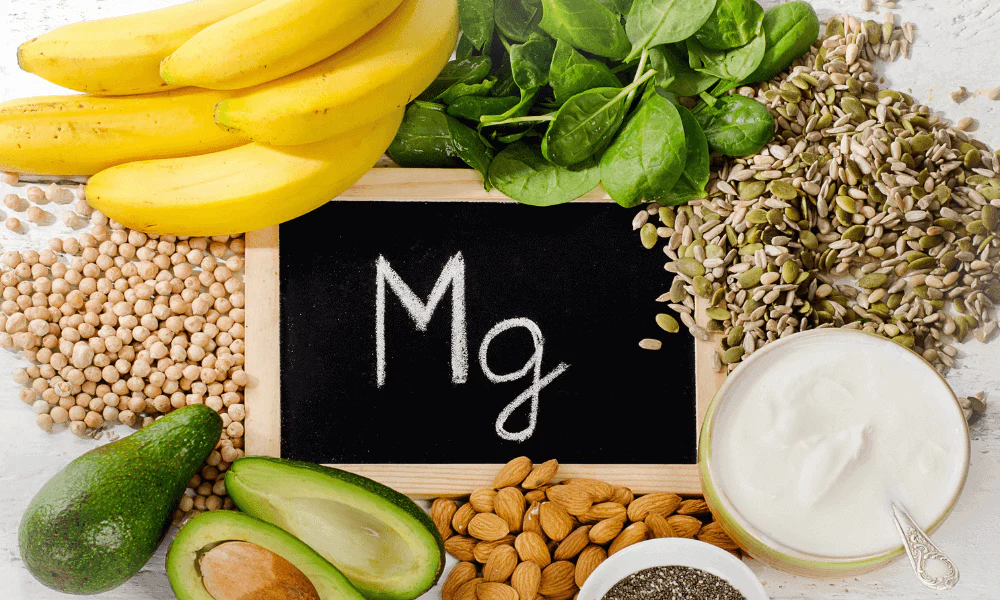
Magnesium is hailed as a “miracle mineral” that plays a pivotal role in the human body, participating in over 300 vital metabolic reactions. Although many natural foods (such as leafy greens, legumes, nuts, and seeds) contain magnesium, research shows that approximately two-thirds of the population cannot meet their magnesium requirements through diet alone.
Regarding magnesium supplements, the specific form significantly impacts the absorption rate and the intended health goal. Below, we introduce 11 different forms of magnesium and their respective uses.
1. Magnesium Citrate

Magnesium citrate is a form of magnesium bound with citric acid, containing about 16% elemental magnesium. Citric acid is naturally found in citrus fruits and gives them their tart flavor.
This is one of the most common forms found in supplements. Due to its natural laxative effect, it is used in higher doses as a saline laxative. It works by increasing the fluid content in the small intestine to promote bowel movements, typically taking effect within 30 minutes to 3 hours.
- Summary: One of the most common supplement ingredients; highly absorbable. Primarily used to increase magnesium levels and promote bowel regularity.
2. Magnesium Oxide
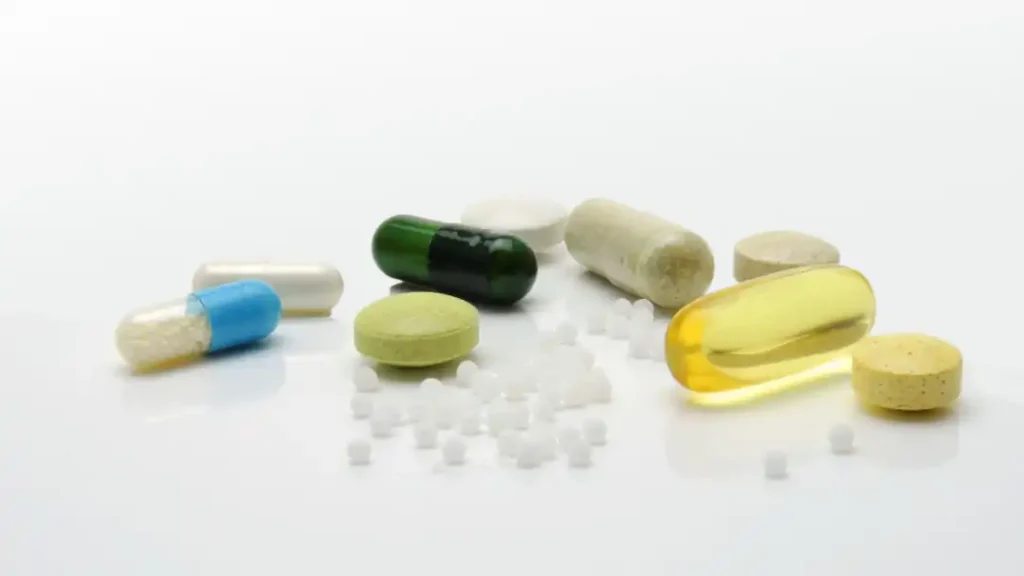
Magnesium oxide is a compound of magnesium and oxygen. It can be chemically synthesized or derived from natural marine sources (Marine Magnesium). It is a white powder often found in capsules or tablets. While it has a high magnesium content (approx. 60%), studies show its absorption rate is very low, potentially as low as 4%. Therefore, it is rarely the first choice for correcting a magnesium deficiency.
Conversely, because it is poorly absorbed and inexpensive, it is frequently used medically as a stool softener. A single tablet often contains 250mg; please consult a physician before using it as a medication.
- Summary: Helpful for bowel movements. However, due to low absorption, it is not ideal for those specifically looking to raise their systemic magnesium levels.
3. Magnesium Chloride
Magnesium chloride is a salt containing chlorine, with about 12% magnesium content. It is a versatile supplement that dissolves easily in water. It is most commonly taken in capsule or tablet form but is also used as an ingredient in topical products like lotions or ointments.
- Summary: Helpful for bowel regularity and is a common ingredient in nutritional supplements.
4. Magnesium Lactate

Magnesium lactate is the salt formed when magnesium binds with lactic acid (approx. 12% magnesium). Lactic acid is produced naturally by muscle and blood cells and is often used as a food preservative or flavoring agent. While common as a food additive to fortify beverages, it is less common as a standalone supplement.
It is easily absorbed by the body and is considered a relatively gentle form compared to others. It is an alternative for those who need high doses of magnesium long-term or those who cannot tolerate other forms.
- Summary: A gentle option often used as a fortifying additive in food and supplements.
5. Magnesium Malate
Magnesium malate contains malic acid (approx. 15% magnesium), which is found naturally in fruits and wine. Studies suggest it has a high absorption rate, making it an excellent choice for replenishing magnesium levels. Some users find it gentler on the digestive tract and less likely to cause diarrhea compared to other forms.
- Summary: High absorption rate and less likely to cause digestive side effects.
6. Magnesium Taurate
Magnesium taurate contains taurine, an important amino acid (approx. 8–10% magnesium). Research suggests that the combined intake of taurine and magnesium plays a key role in regulating blood sugar. This form may support healthy physiological functions, though more clinical research is needed to confirm specific effects.
- Summary: May offer specific health benefits for metabolic function, but further research is required.
7. Magnesium L-threonate
Magnesium L-threonate (approx. 7–8% magnesium) is formed by binding magnesium with threonic acid, a metabolite of Vitamin C.
This form is highly absorbable. Animal studies suggest it is uniquely effective at promoting brain health, potentially aiding in conditions like depression, Alzheimer’s disease, and age-related memory loss. Note: Currently, this form is not yet approved as a food ingredient in Taiwan and cannot be sold there.
- Summary: Potentially beneficial for brain health, though more human studies are needed.
8. Magnesium Sulfate
Commonly known as Epsom Salt, magnesium sulfate consists of magnesium, sulfur, and oxygen (approx. 10% magnesium).
While it can be taken orally in capsules or dissolved in water to treat constipation, it has a very bitter taste. Frequent use or overdose can be risky. It is most popularly used in bath soaks to soothe the body. However, current research has not yet confirmed whether magnesium can be effectively absorbed through the skin.
- Summary: Primarily used in baths for physical relaxation; oral use should be handled with caution.
9. Magnesium Glycinate
Magnesium glycinate is formed by binding elemental magnesium with the amino acid glycine. Because amino acids are easily recognized and absorbed by the body, this form has a very high absorption rate. While it is highly absorbable, its magnesium concentration is relatively low (11–12%), meaning higher dosages may be required.
Animal studies suggest it helps with sleep and offers a calming effect, making it a popular choice for those dealing with stress and anxiety.
- Summary: Frequently used for its sedative effects and to aid sleep.
10. Magnesium Orotate
Magnesium orotate contains orotic acid (approx. 6–7% magnesium). It is easily absorbed and does not typically cause the digestive side effects associated with other forms. In Europe and the US, it is often marketed for athletic performance and cardiovascular health.
- Summary: May benefit athletic performance, though research is currently limited.
11. Liposomal / Sucrosomial® Magnesium
Liposomal and Sucrosomial® forms represent the pinnacle of magnesium absorption technology currently available.
A Liposome is a tiny vesicle made of a phospholipid bilayer that encapsulates nutrients to deliver them directly to target cells. The Italian company PharmaNutra has developed a patented “liposome-like” form called SideMag® using Sucrosomial® technology. This form protects the magnesium core with a double layer of phospholipids and sucrose esters.
Key features of Sucrosomial® technology:
- High Bioavailability: Absorption is reported to be 220% higher than Magnesium Oxide, ensuring more nutrients are actually utilized by the body.
- High Tolerance: The protective layer prevents the magnesium from irritating the digestive tract, significantly reducing common side effects like diarrhea.
- Stability: It protects the magnesium from being destroyed by gastric acid, maintaining its stability throughout the digestive process.
- Summary: Considered the “perfect” magnesium source, combining high concentration with the highest absorption levels and best digestive tolerance.