
Part 1/3
If anyone here is raising their hand… now keep it raised if you’ve never seen anyone else suffer from a mouth ulcer!!
I bet no one has their hand up now!
Mouth ulcers (canker sores) are so common and distressing that they hardly need an introduction. Even if you haven’t experienced one yourself, you’ve likely seen someone close to you suffer through it. First, let’s hear from a long-term sufferer of chronic mouth ulcers:

“Since I was seven years old, I have been tormented by mouth ulcers. They recur every so often. Although the physical spot of pain is tiny, it is a massive torment for me. Whenever an ulcer flares up, I lose my appetite and can’t eat. The pain has woken me up from sleep countless times. Is there any effective way to cure them?”
While modern medicine has yet to pinpoint the exact cause of mouth ulcers, there are several daily tips you can use to reduce the pain!
1. Avoid Highly Acidic or High-Sugar Foods
If you have an active ulcer, try to avoid acidic or sugary foods. Acid irritates the sore, causing a burning sensation and prolonging the healing process. High-sugar foods should also be minimized because bacteria in the mouth convert sugar into acid. This not only causes cavities but also hinders the healing of the ulcer.
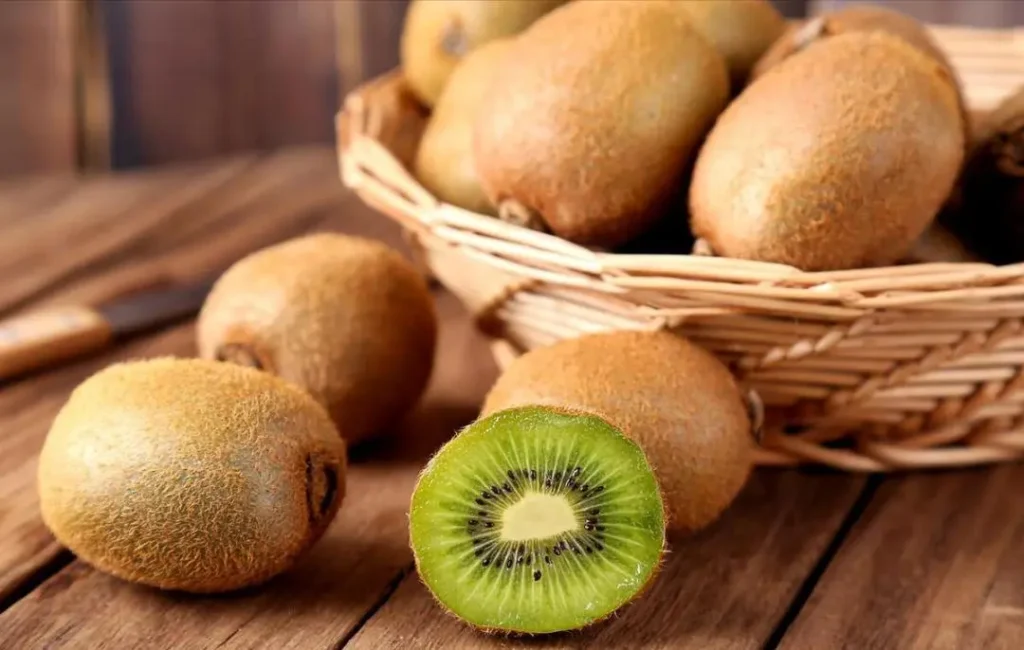
We often see a common scenario: when a child gets a mouth ulcer, the mother forces them to eat heaps of fruits and vegetables every day. Yet, the ulcers persist or recur stubbornly. This happens because of the widespread belief that “eating more fruits and vegetables to supplement Vitamin C” will automatically accelerate healing. (Note: While vitamins are good, the acidity in some fruits can actually irritate the wound.)
Part 2/3
2. Switch Your Toothpaste
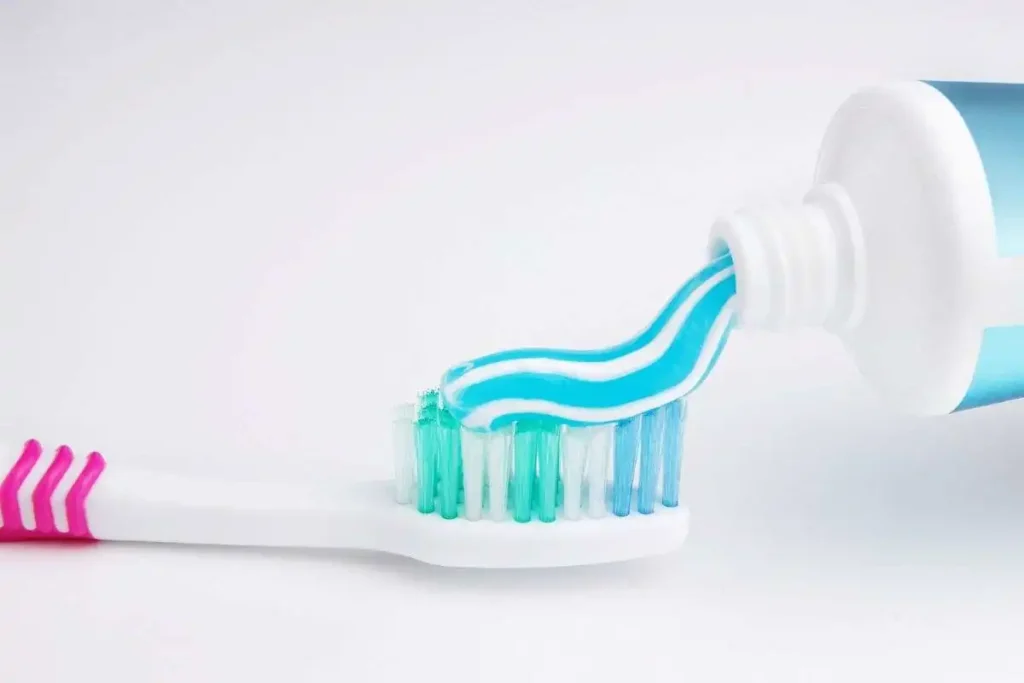
Many toothpastes and mouthwashes contain Sodium Lauryl Sulfate (SLS), a common foaming agent that can trigger mouth ulcers in some people. Try switching to a natural, SLS-free toothpaste.
3. Rinse with Saltwater
Caution: For the brave only!! Rinsing with salt can help relieve the pain over time and promote healing. Dissolve an appropriate amount of salt in a cup of warm water. Swish the solution in your mouth and spit it out; repeat two to three times a day. For faster results, some people apply a small amount of salt directly onto the ulcer (though this will cause a sharp, temporary sting).

Part 3/3
4. The “Triple Action” Rinse
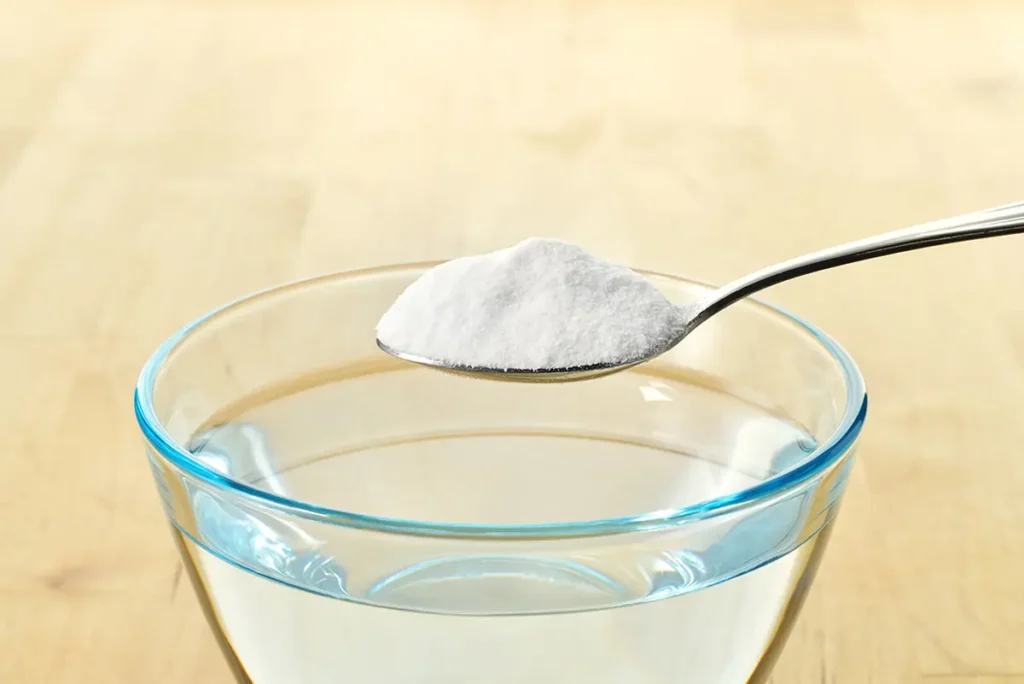
Take half a cup of water, add one tablespoon of salt and one tablespoon of baking soda, then add a small amount of diluted hydrogen peroxide solution. Mix well and use it to rinse your mouth at least four times a day. Important: Do not swallow this solution!
5. Apply Milk of Magnesia
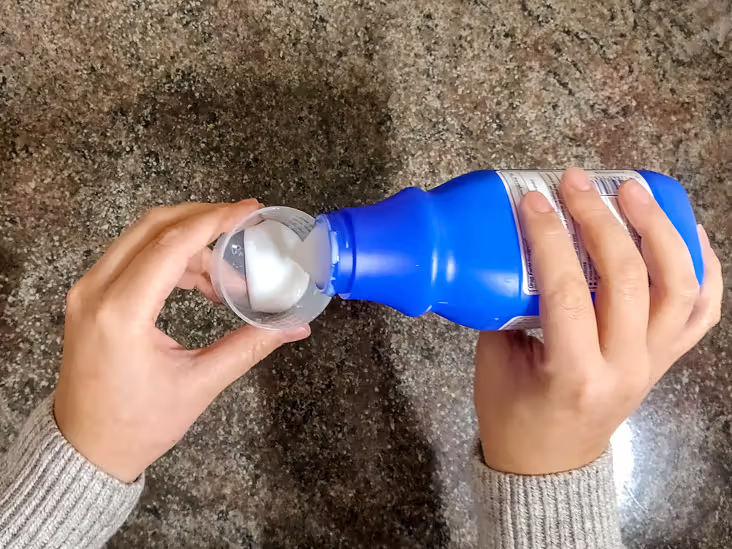
Milk of Magnesia (Magnesium Hydroxide) is a common medication for stomach issues. If you have it at home, it is excellent for treating mouth ulcers. Its antacid properties neutralize the acidic environment in the mouth and shift the pH level. Dab it onto the ulcer several times a day. This creates an environment that is unfavorable for the growth of bacteria that aggravate ulcers.
Extended Reading: How to Prevent and Treat Mouth Ulcers
- Hydrate: Just like with any other ailment, remember to drink plenty of water. This helps speed up the body’s natural healing process.
- Hands Off: Avoid touching the ulcer with your fingers or licking it with your tongue. If the ulcer appears blister-like, do not try to pop it.
- Oral Hygiene is Key: To prevent future ulcers, maintain a clean mouth. Brush or rinse your mouth at least three to four times a day.
- Nutritional Support: Ensure you are getting enough Vitamin B12, Zinc, Iron, Folic Acid, and other trace elements and minerals.
- Seek Professional Help: If you find that an ulcer lasts for more than ten days or if they are constantly recurring, you should consult a professional dentist or doctor. They can check if the cause is related to tooth alignment or other underlying oral health conditions.