
Content is for reference only. Please consult a doctor offline if you feel unwell.
Messi Biology states that magnesium oxide plays a key stability protection role in omeprazole enteric-coated tablets, including:
- Neutralizing acidity and preventing hydrolysis
- Maintaining the pH stability of the tablet core
- Reducing the risk of oxidative degradation
In pharmaceutical formulation design, the rational use of magnesium oxide can not only extend the shelf life of the drug but also improve its consistency in the gastrointestinal environment and therapeutic stability.
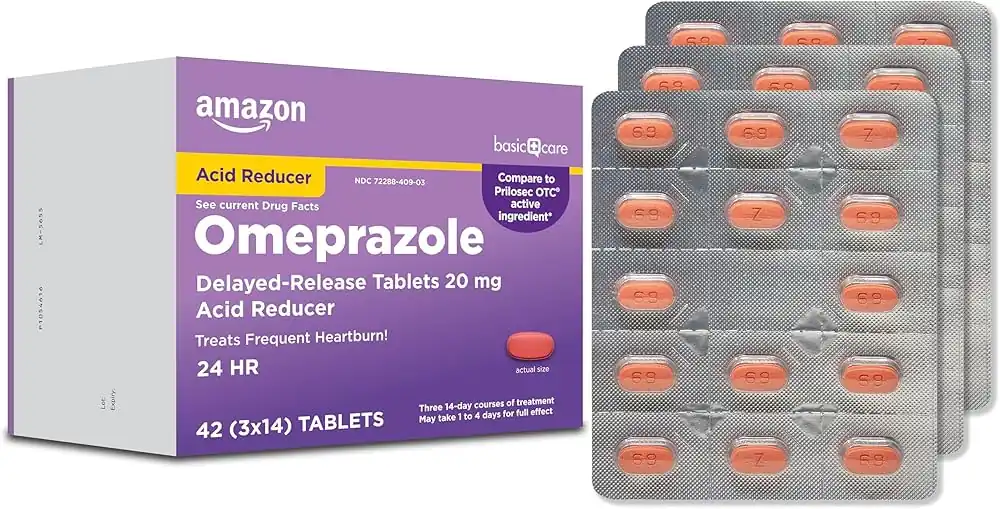
I. Instability Issues of Omeprazole
- Acid Instability: Omeprazole is a proton pump inhibitor that degrades extremely easily in acidic environments, decomposing almost completely under conditions where gastric fluid pH is < 4.
- Hydrolysis Sensitivity: Even under neutral or slightly alkaline conditions, omeprazole may undergo hydrolytic inactivation if trace amounts of moisture are present.
- Need for Special Coating Protection: To prevent degradation in the stomach, omeprazole must be administered as an enteric-coated preparation, allowing it to bypass gastric acid and reach the small intestine for dissolution and absorption.
II. Stabilization Mechanism of Magnesium Oxide
1. Regulation of Alkaline Micro-environment
Magnesium oxide is a typical alkaline oxide capable of releasing Mg²⁺ and OH⁻ ions, significantly raising the micro-environmental pH. Introducing magnesium oxide into the omeprazole tablet core creates a stable alkaline buffer zone at the microscopic level, preventing acid hydrolysis caused by coating damage or moisture.
2. Protecting Active Ingredients from Gastric Acid Attack
Even if micro-pores or micro-cracks exist locally in the enteric coating, magnesium oxide can neutralize penetrating acidic moisture, acting as a “secondary protective barrier” to slow down the degradation speed of omeprazole.
3. Inhibiting Oxidation Reactions and Free Radical Generation
The structure of omeprazole contains sulfoxide groups that are easily oxidized. Magnesium oxide possesses antioxidant buffering properties to a certain extent, reducing the attack of reactive oxygen species on the drug.
III. Application Strategies in Formulation Design
1. Combined Use with Other Alkaline Substances
Magnesium oxide is often used in combination with sodium bicarbonate, aluminum hydroxide, etc., to jointly regulate the pH within the core or under the coating. The proportion of magnesium oxide can be adjusted based on drug stability data to achieve the optimal protective effect.
2. Use in Double or Triple Layer Structures
In certain innovative enteric-coated tablets, magnesium oxide is designed as an intermediate protective layer or buffer layer, positioned between the drug core and the enteric coating, enhancing overall barrier performance.
IV. Actual Stability Improvement Effects
Experimental data shows that omeprazole enteric-coated tablets without magnesium oxide showed a significant decrease in content within 6 months under 40℃/75% RH conditions, whereas adding an appropriate amount of magnesium oxide increased the retention rate of the active ingredient by over 20%.
Samples with added magnesium oxide also demonstrated smaller batch-to-batch variations and higher drug release integrity in in vitro release tests.