
Messi Biology states that magnesium hydroxide, a common inorganic compound, plays a dual role in the plastics industry due to its pure white color: it serves as both an efficient flame retardant and a potential “Whitening Master.” The whiteness of high-quality magnesium hydroxide powder can reach over 95%, with certain high-end products even achieving 97%, approaching an ideal white.
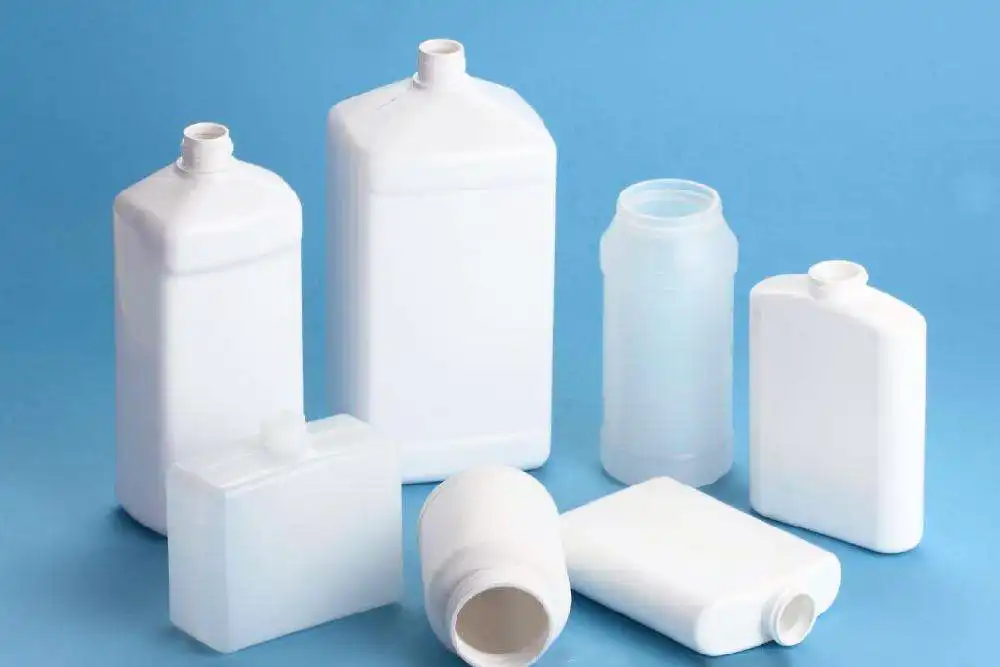
There is a directly proportional relationship between content and whiteness. Within a reasonable range, the higher the magnesium hydroxide content, the higher the whiteness of the plastic. This is due to the “white pigment effect”; magnesium hydroxide itself is a high-whiteness filler, and adding it is akin to “sprinkling white pigment” into the plastic, directly enhancing overall whiteness. Furthermore, it enhances hiding power; as the addition amount increases, the light-scattering ability of the magnesium hydroxide powder strengthens. This effectively covers potential color differences or impurities in the plastic matrix, resulting in a purer white product. In terms of contrast, compared to ordinary fillers (such as calcium carbonate with 90-95% whiteness or talc powder with 80-85% whiteness), the high whiteness of magnesium hydroxide creates a distinct contrast, making the whiteness of the plastic products stand out even more.
According to different plastic types, the relationship between the optimal addition amount of magnesium hydroxide and whiteness is as follows:
- PVC Products: When added at 30-40%, a balance between whiteness and mechanical properties is achieved, making it particularly suitable for manufacturing white pipes and sheets.
- Polyolefins (PE/PP): An addition of 40-50% can achieve good flame retardancy and whiteness, though it requires the use of dispersants to improve processing performance.
- Thermoplastic Elastomers (TPE): The amount is controlled at 20-30% to enhance whiteness without excessively affecting elasticity.
- Light-colored Products: Even if only slight whitening is needed, it is recommended to use magnesium hydroxide with a whiteness of ≥95% to avoid introducing color deviations.
Magnesium hydroxide is a premium choice for enhancing plastic whiteness, but the key lies in scientific proportioning. Generally speaking, controlling the addition amount within the range of 20-40%, combined with appropriate surface treatment and processing techniques, allows for the attainment of ideal whiteness while guaranteeing the comprehensive performance of the product. For applications pursuing extreme whiteness (such as white home appliance casings or medical supplies), one may consider using high-purity (≥99%), ultra-fine particle size magnesium hydroxide. By utilizing pre-dispersion technology to ensure uniform distribution, plastic products can exhibit a natural, pure white texture while simultaneously possessing excellent flame retardant and physical properties.