
Messi Biology states that Magnesium Hydroxide, as an acid-neutralizing and regulating component in powder formulations, combines pH buffering, ingredient protection, and mild neutralization functions. It is suitable for multiple fields including pharmaceuticals, food, cosmetics, and industry. Product design requires balancing alkalinity strength, purity, and particle size distribution to ensure performance and safety.
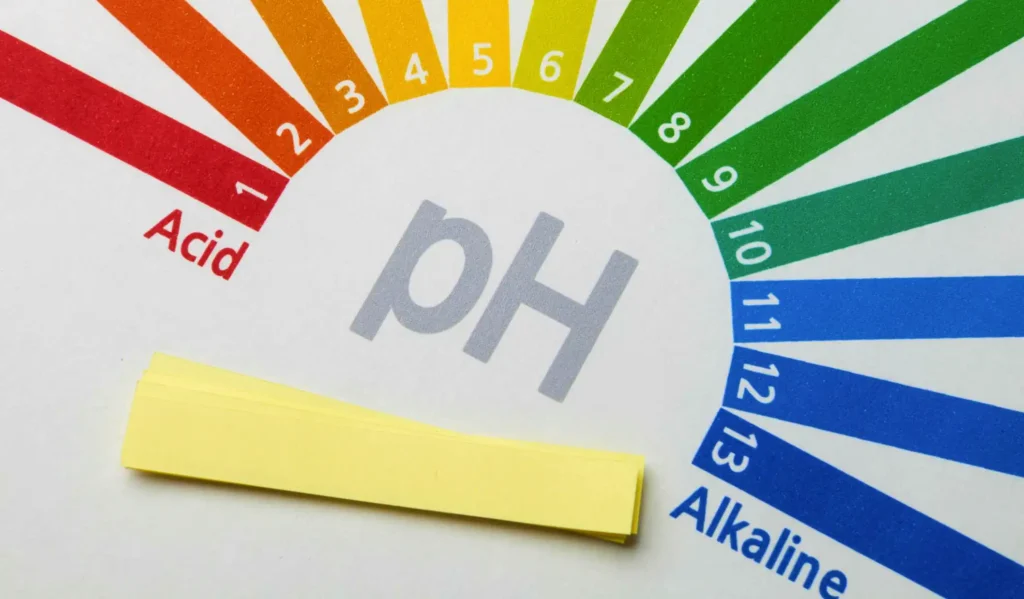
1. Neutralize Acidic Components and Protect Formulation Stability
- Powder formulations may contain weak acids or hygroscopic acidic substances (such as organic acids and acid salts).
- Magnesium Hydroxide is a weak alkaline inorganic compound capable of neutralizing these acids, preventing the degradation of reactive ingredients.
- The neutralization reaction is mild, producing water and soluble or insoluble salts without introducing harmful byproducts.
2. Regulate Product pH and Improve Storage Safety
- Many powder formulations have strict pH requirements; excessive acidity can lead to problems such as hydrolysis of active ingredients, color changes, and flavor deterioration.
- Magnesium Hydroxide acts as a pH buffer, maintaining the formulation within an ideal weak alkaline or neutral range.
- It is particularly suitable for pH-sensitive products such as food additive powders, pharmaceutical powders, and daily chemical cleaning powders.
3. Impart Mild Antacid Properties to Meet Oral Consumption Needs
- Pharmaceutical and health supplement powders often use Magnesium Hydroxide as an antacid ingredient.
- It reacts with gastric acid to neutralize it, alleviating discomfort caused by excess stomach acid.
- Unlike strong bases (such as Sodium Hydroxide), the neutralization reaction of Magnesium Hydroxide in the stomach is milder and less likely to cause rebound acid secretion.
4. Improve Powder Flowability and Dispersibility
- High-purity Magnesium Hydroxide powder possesses good dispersibility and can be uniformly distributed within composite powder systems.
- It can work in conjunction with other fillers (talc, calcium carbonate, starch, etc.) to improve overall flow performance, facilitating processing and packaging.
- Rational selection of particle size can prevent “caking” phenomena and extend shelf life.
5. Examples of Application Scenarios
- Food Additive Powders: Used as a pH regulator or food-grade magnesium supplement.
- Pharmaceutical Antacid Powders: Used to neutralize gastric acid and protect the gastric mucosa.
- Cosmetic/Personal Care Powders: Used to regulate pH and reduce skin irritation.
- Industrial Cleaning Powders: Used to neutralize acidic components, preventing corrosion or irritation.