
Specific Effects on Chocolate Quality
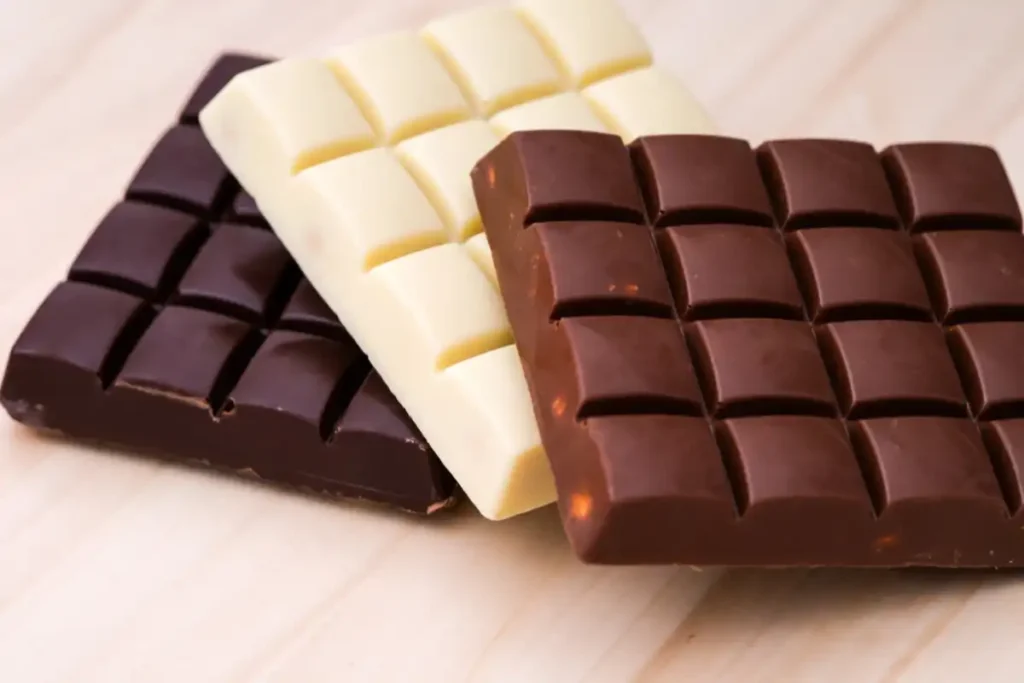
1. Texture and Mouthfeel Optimization
- Balance of Hardness and Brittleness (Snap): It promotes the formation of β-V type crystals, enabling chocolate to maintain moderate hardness (breaking strength of 2–3 MPa) at room temperature (20–25°C). Upon consumption, as body temperature (37°C) approaches the melting point of cocoa butter, it melts rapidly. This creates a “crisp-to-smooth” textural layering, avoiding the issues of “excessive hardness” or “stickiness” found in traditional chocolate.
- Improvement in Fineness: Magnesium oxide particles are extremely small (usually ultra-finely pulverized to 2–3 μm) and disperse evenly without creating a gritty sensation. Instead, by filling the gaps between cocoa butter crystals, they make the chocolate surface smoother (glossiness increases by 10%–15%).
2. Enhanced Anti-Bloom and Storage Stability
- Reduction of Surface Blooming: Chocolate blooming (white frost) is primarily caused by the transformation or migration of cocoa butter crystals. The stable crystal network formed by magnesium oxide can inhibit crystal form changes and reduce the rate of fat migration during storage (e.g., after storage at 25°C for 3 months, the blooming area decreases from 30% to less than 5%).
- Improvement in Heat Resistance: By strengthening the crystal structure, the heat resistance of the chocolate is slightly improved (melting point increases from 34°C to 35–36°C). This makes it less prone to deformation during transport in summer or tropical regions (softening temperature increases by 2–3°C).
3. Flavor and Color Retention
- Flavor Freshness: It neutralizes free acids and inhibits oxidase activity, reducing the development of rancidity (stale taste) and bitterness. It retains the original nutty and fruity flavor compounds of the cocoa (retention rate of volatile flavor components increases by 20%–25%).
- Color Uniformity: pH adjustment prevents the chocolate color from becoming too pale or dull due to excessive acidity, allowing the product to present a uniform dark brown to reddish-brown color, thereby enhancing visual appeal.
III. Application Scenarios and Dosage Control
- Applicable Chocolate Types: Milk chocolate (high fat content, requires crystallization regulation), dark chocolate (requires acidity inhibition), filled/center-filled chocolate (requires improvement of filling fluidity), and compound chocolate with additives (such as nut chocolate and chocolate coatings).
- Recommended Dosage: Usually 0.1%–0.5% of the total mass of the chocolate (calculated as pure magnesium oxide). Excessive addition (>0.8%) may lead to an alkaline off-flavor or an astringent mouthfeel; therefore, the dosage needs to be optimized through sensory evaluation.