
Magnesium Sulfate
Magnesium sulfate, also known by aliases such as Epsom salt, bitter salt, and cathartic salt, is a magnesium-containing compound with the molecular formula MgSO₄. It appears as colorless or white crystals or powder, is odorless with a bitter taste, and is hygroscopic (absorbs moisture). Based on its water content, it is classified into monohydrate, heptahydrate, and anhydrous magnesium sulfate. Industrially, it is primarily used in tanning, explosives, fertilizers, papermaking, porcelain, printing and dyeing, and lead-acid batteries. Clinically, it is used for catharsis (laxative), choleretic effects, anticonvulsants, eclampsia, tetanus, and hypertension.
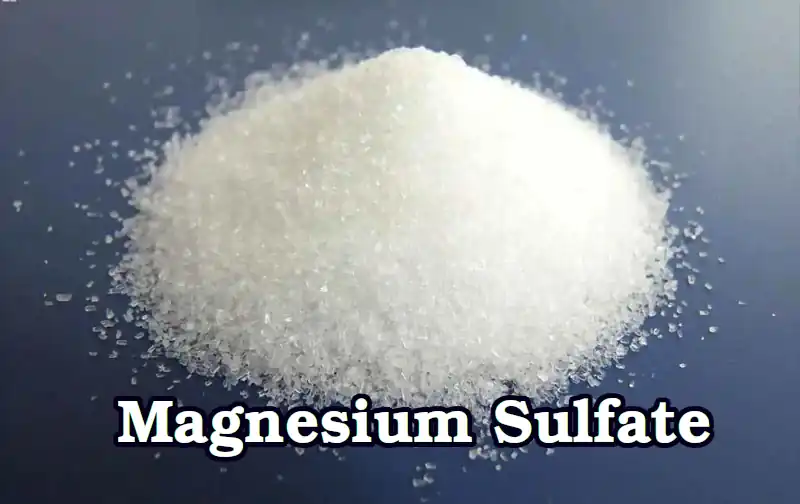
Functions and Uses of Magnesium Sulfate
- Conductive Salt: Added to nickel plating baths as heptahydrate magnesium sulfate to improve the conductivity of the electrolyte, making the coating white and soft. It is also used as an aluminum smelting additive to color aluminum surfaces.
- Magnesium Oxysulfate Cement: Reacts with caustic calcined magnesia (magnesium oxide) in water to form magnesium oxysulfate cement. This cement offers excellent thermal insulation, fire resistance, durability, and environmental friendliness. It is used in fireproof door cores, external wall insulation boards, siliceous modified insulation boards, and fireproof panels.
- Flame Retardant: Used in fireproof materials as a flame retardant for plastics such as acrylate resins, epoxy resins, unsaturated polyesters, and polyurethanes to enhance heat resistance.
- Refractory Materials: Heptahydrate magnesium sulfate is used to stabilize the green body during the drying and sintering process of magnesium-oxygen refractories.
- Wastewater Treatment: Used directly as a sewage treatment agent to promote coagulation and sedimentation in industrial wastewater, helping it meet discharge standards.
- Textile Printing and Dyeing: Used in the processing of thin cotton cloth as a weighting agent for cotton and silk; as a filler for kapok products; as a color-developing salt for blue dyes; and as an alkali absorbent in black liquor.
- Polymer Production: Acts as a polymer emulsion coagulant in the industrial production of high-molecular materials such as ABS and EPS.
- Synthetic Fibers: Serves as an essential auxiliary material for viscose and vinylon fibers.
- Bath Salts: Used as a bath salt component, similar to other minerals like potassium, calcium, amino acid salts, and silicates.
- Papermaking: Increases the selectivity of oxygen delignification, improves cellulose quality, and reduces chemical consumption.
- Leather Processing: Acts as a processing aid and filler to make leather softer, promote the adhesion between tanning agents and the hide, and improve the quality and heat resistance of the leather.
- Textile Auxiliaries: Used as a dyeing agent, anti-alkali agent, weighting agent, and magnesium mordant in the production of thin cotton and silk. It acts as a dyeing agent and reductase in chemical fibers and textiles, ensuring uniform dyeing by maintaining a pH between 6 and 7.
- Chemical Raw Material: Used as a raw material for manufacturing other magnesium salts (magnesium stearate, magnesium hydrogen phosphate, magnesium silicate, magnesium oxide) and other sulfates (potassium sulfate, sodium sulfate).
- Fermentation and Brewing: Used as a culture medium component and brewing additive to supplement magnesium in brewing water and serve as a nutrient source during fermentation.
- Food Production: Used in the production of fresh yeast, MSG, beverages, mineral water, health salts, and beer. It also acts as a stabilizer for dicalcium phosphate in toothpaste production.
- Nutritional Supplement: Functions as a nutritional supplement, firming agent, flavor enhancer, and processing aid. It can adjust water hardness and improve fermentation capacity.
- Detergents: Acts as a stabilizer for peroxides and perborates in detergents and is used to adjust detergent viscosity.
- Medical Uses:
- Formulating protective ointments, laxatives, analgesics, and antidotes.
- Production of anticonvulsants, laxatives, and various antibiotics/medicines like medemycin, acetylspiramycin, creatinine, magnesium trisilicate, griseofulvin, salinomycin, nystatin, tobramycin, and gibberellin.
- Provides sedative and anti-spasmodic effects and reduces intracranial pressure.
- Used in gastrointestinal imaging.
- Stimulates the duodenal mucosa to reflexively relax the sphincter of Oddi and contract the gallbladder, promoting gallbladder emptying (choleretic effect). Used to treat cholecystitis and cholelithiasis.
- Feed Additive: Supplements magnesium in animal feed. Magnesium is essential for bone formation and muscle contraction and activates various enzymes, playing a vital role in metabolism and neurological function in livestock.
- Agriculture: Used to improve magnesium-deficient soil (magnesium is a central element of the chlorophyll molecule). It is commonly used for potted plants or magnesium-intensive crops like potatoes, tomatoes, peppers, and roses.
- Lead-Acid Batteries: Adding magnesium sulfate to the electrolyte of lead-acid batteries can extend battery life by inhibiting dendrite growth, preventing short circuits, and assisting in recovery after over-discharge.
- Ceramics: Due to its hygroscopicity, it is used to dry ceramic products. As an inorganic flocculant, it promotes the sedimentation of dispersed clay particles and provides plasticizing, whitening, and color-enhancing effects during production.
Operational Precautions
Operations should be enclosed with local exhaust ventilation to prevent magnesium sulfate dust from being released into the workplace air. Be aware that empty containers may retain harmful residues. Avoid dust generation and contact with oxidizing agents. Operators are advised to wear self-priming filter-type dust masks, chemical safety goggles, anti-toxin penetration work clothes, and rubber gloves.
Storage Precautions
Magnesium sulfate should be stored in a cool, ventilated warehouse. Keep away from fire, heat sources, and direct sunlight. Packages must be sealed and stored separately from oxidizing agents; mixing is strictly prohibited. The storage area should be equipped with suitable materials to contain any leaks.