
Messi Biology states that molybdenum, as a vital strategic metal, is widely used in sectors such as steel, electronics, and chemicals. Its extraction process typically includes core stages such as oxidative roasting, leaching, purification, precipitation, and refining. Throughout this series of processes, although magnesium oxide (MgO) is not a universal reagent, it plays a critical role in specific process routes. Its application is primarily concentrated in the two core stages of leaching regulation and purification/precipitation, where it demonstrates significant advantages due to its unique chemical properties.
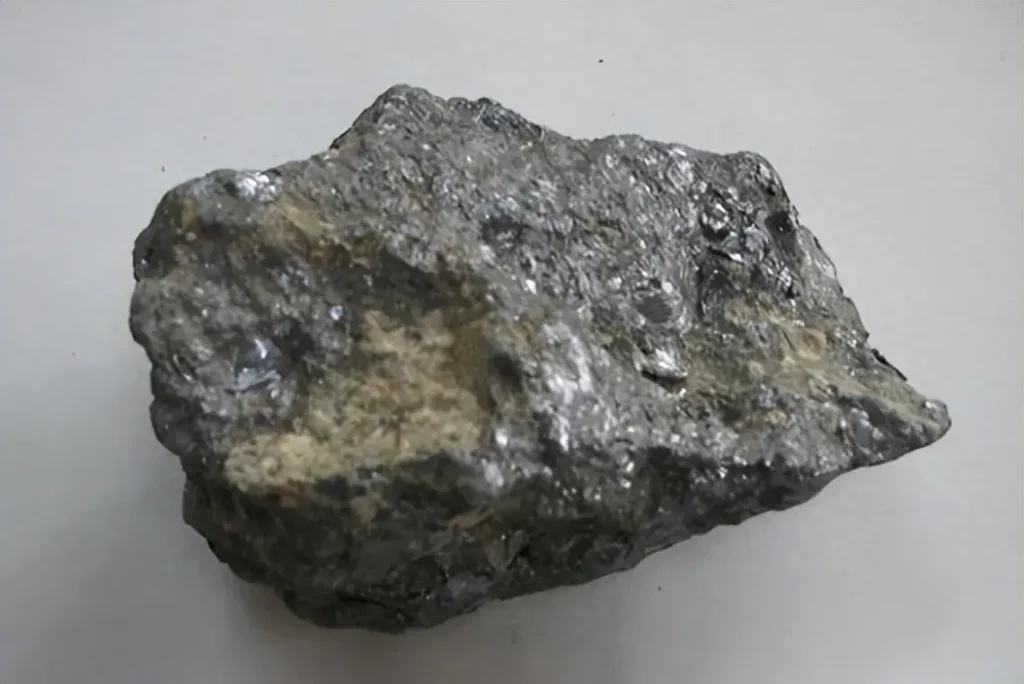
Precise pH Regulation in the Molybdenum Leaching Stage
In the leaching stage of molybdenum ore, the core role of magnesium oxide is the precise control of pH values. After primary molybdenum ores like molybdenite undergo oxidative roasting, the resulting molybdenum trioxide (MoO3) must be converted into soluble molybdate ions (MoO42−) through hydrometallurgical leaching. This process has strict requirements for the system’s pH value, which must be maintained in a weakly alkaline environment of 8–10. If the pH is too low, the molybdate ions convert into insoluble molybdic acid (H2MoO4), reducing the leaching rate; if the pH is too high, it promotes the dissolution of impurities such as silicon and phosphorus, increasing the difficulty of subsequent purification. As a weakly alkaline oxide, magnesium oxide slowly hydrolyzes in water to form magnesium hydroxide, which gently adjusts the system’s pH. This avoids the problem of localized high alkalinity often caused by strong bases like sodium hydroxide. Furthermore, its hydrolysis reaction is reversible, providing an effective buffer against pH fluctuations caused by mineral dissolution. This ensures the stable dissolution of molybdate ions, with industrial practices showing it can increase the molybdenum leaching rate to over 95%.
Dual Functionality in Purification and Precipitation
In the purification and precipitation stages of molybdenum solutions, magnesium oxide serves the dual function of impurity removal and molybdenum enrichment. Molybdenum leach liquor typically contains various impurity ions such as iron, aluminum, calcium, and silicon, which can severely affect the purity of the final molybdenum product. The hydroxide ions (OH−) produced by the hydrolysis of magnesium oxide combine with metal ions like iron and aluminum to form insoluble hydroxide precipitates (such as Fe(OH)3 and Al(OH)3). These precipitates can be quickly separated from the molybdate solution through filtration without introducing new soluble impurities. Compared to precipitants like calcium hydroxide, magnesium oxide avoids the risk of calcium ions reacting with molybdate to form insoluble calcium molybdate, significantly reducing molybdenum loss. Additionally, in enrichment processes for low-concentration molybdenum solutions, magnesium oxide can act directly as a precipitant, reacting with molybdate ions to form magnesium molybdate (MgMoO4) precipitate. This precipitate features good crystallinity and is easy to filter. It can subsequently be converted back into molybdic acid via sulfuric acid acidification, followed by ammonia leaching and crystallization to obtain high-purity molybdate products, achieving efficient enrichment.
Significant Industrial Advantages
The application of magnesium oxide in molybdenum extraction offers three major industrial benefits:
- Cost Advantage: Compared to reagents like ammonia or sodium hydroxide, industrial-grade magnesium oxide is lower in cost and offers controllable dosage, effectively reducing production expenses.
- Environmental Friendliness: Its hydrolysis product, magnesium hydroxide, is non-toxic and harmless. The resulting waste residue is easy to treat, reducing wastewater pollution.
- Operational Convenience: As a solid powder, magnesium oxide is easy to transport and store. Its reaction is mild, eliminating the need for complex anti-corrosion equipment.
However, it is important to note that the effectiveness of magnesium oxide is closely related to the quality of the raw material. Industrial production should utilize industrial-grade magnesium oxide with a purity ≥90% and iron/aluminum impurity content ≤0.5% to avoid introducing new contaminants. Precise dosage control is also essential: excess amounts may lead to excessively high pH levels and cause co-precipitation of molybdate, while insufficient amounts will fail to remove impurities thoroughly. Dosage is typically calculated based on the impurity content and molybdenum concentration of the leach liquor.
Conclusion
It is worth emphasizing that while magnesium oxide is not a mandatory reagent for all molybdenum precipitation and extraction processes, its use depends on the nature of the raw ore and the specific process design. For molybdenum ores with high impurity levels, the purification advantages of magnesium oxide are superior. For high-grade ores or processes requiring rapid leaching, strong bases like sodium hydroxide may still be preferred. However, driven by the trend toward low-cost and environmentally friendly production, the application scenarios for magnesium oxide in molybdenum extraction are continuously expanding, making it a preferred reagent for many refined extraction processes.