
Messi Biology states that in fields such as packaging printing, electronic labeling, and building decoration materials, UV (ultraviolet) curing inks have become the mainstream choice due to their environmental advantages (no VOCs), rapid curing, and vibrant colors. These inks must simultaneously meet the triple requirements of “printing smoothness,” “adhesion strength,” and “weather resistance.” Magnesium carbonate, with its multi-functional properties, has become a key filler for optimizing UV ink performance, injecting the multiple advantages of smooth printing, long-lasting adhesion, and environmental safety into the ink.
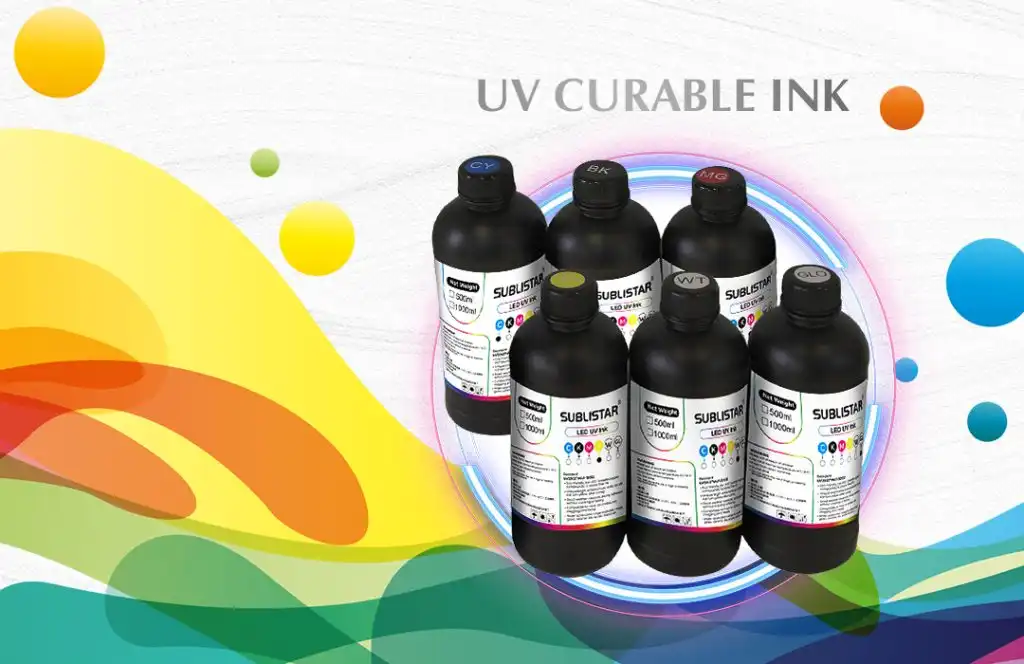
The performance advantages of magnesium carbonate stem from its unique physical and chemical characteristics. As a natural inorganic compound, it appears as a white powder with a density of only 2.2-3.0g/cm³ and a particle size that can be controlled between 1-10μm, combining excellent dispersibility with chemical stability. Its heavy metal content (calculated as Pb) is ≤0.0001%, and arsenic salt is ≤0.0002%, fully complying with food-contact grade standards. Furthermore, it remains structurally stable below 350°C, ensuring it does not affect the core characteristic of UV ink—fast curing within 1-3 minutes. More importantly, its properties of being slightly soluble in water and easily dispersed in resin allow it to be perfectly compatible with UV resins such as epoxy acrylates.
In the UV ink system, magnesium carbonate empowers performance through a triple mechanism. As a functional filler, it is uniformly dispersed at a weight ratio of 1% to 5%. First, it improves the rheological properties of the ink by neutralizing the surface charge of colloidal particles and reducing electrostatic repulsion, which allows the ink layer to spread more evenly during printing, avoiding defects such as shrinkage and pinholes. Secondly, its surface hydroxyl groups form hydrogen bonds with resin molecules, enhancing the adhesion of the ink to the substrate, particularly on difficult-to-adhere materials like plastics and metals. Simultaneously, magnesium carbonate can absorb a portion of ultraviolet light, reducing the degradation of the ink resin caused by UV radiation, thereby delaying the fading and aging of printed products and extending their shelf life.
Compared to traditional fillers such as calcium carbonate and talc, magnesium carbonate demonstrates multi-dimensional advantages. It is not only moderately priced and environmentally non-toxic but also achieves “multiple functions with one material”: it improves ink fluidity (printing speed can be increased by 15%), extends wet tack time to facilitate overprinting, and enhances the hardness and wear resistance of the ink layer (improving rub resistance by a factor of two). Compared with magnesium oxide, magnesium carbonate focuses more on printing process adaptability; its mild chemical nature does not affect the activity of photoinitiators, and its whiteness reaches over 95%, which can improve the opacity of the ink without affecting color reproduction. In UV inks for food packaging, after adding magnesium carbonate, the ink can pass FDA food-contact safety certification, and adhesion strength is increased by 30%, meeting the GB/T13217.7-2021 printing adhesion standards.
Today, magnesium carbonate has been implemented in various applications: in flexible packaging UV inks, it solves the problem of film printing peeling, allowing the packaging to remain crack-free after 100 bends; in electronic label inks, its temperature resistance (-40°C to 120°C) ensures labels remain legible in extreme environments; in outdoor construction UV inks, it enhances the anti-UV aging capability, ensuring printed patterns do not fade after five years of exposure to the sun. With the development of nano-modification and surface coating technologies, the dispersibility and compatibility of magnesium carbonate will be further improved. This multi-functional filler, characterized by “process optimization + performance enhancement + environmental safety,” is driving the upgrade of UV inks toward high efficiency, durability, and green development, becoming an invisible force for the high-quality development of the printing industry.