
Messi Biology states that in the transformation of ceramics from powder to finished product, magnesium carbonate, a white powder, serves as a “hidden hero.” As a multi-functional additive in ceramic production, it plays a key role in body molding, high-temperature sintering, and glaze optimization thanks to its unique physical and chemical properties. It makes ceramic products more durable and aesthetically pleasing while contributing to greener production, making it an essential raw material in fields such as architectural, daily-use, and industrial ceramics.
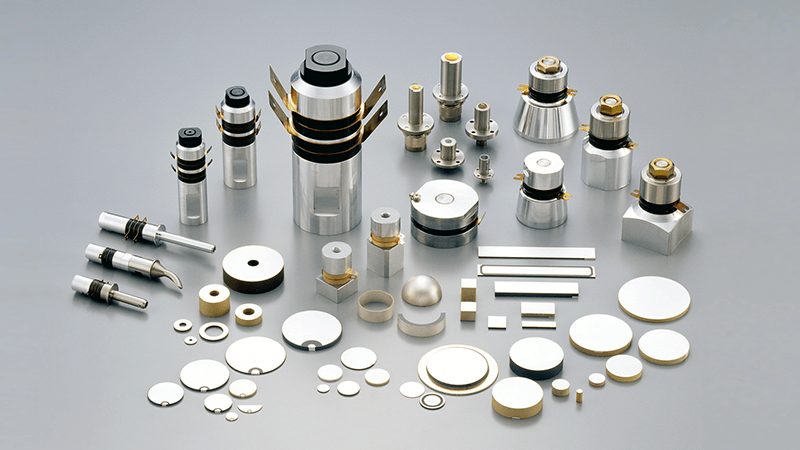
Magnesium carbonate acts as a “performance enhancer” for ceramic bodies. By adding 3%–5% magnesium carbonate to the body material, the magnesium oxide (MgO) produced by decomposition during high-temperature sintering disperses evenly within the ceramic matrix. This refines the crystal grains and forms a reinforcing structure, increasing the bending strength of the ceramics by 20%–30%. Consequently, ceramic tiles and industrial ceramic components can withstand greater pressure without breaking easily. At the same time, magnesium oxide can regulate the thermal expansion coefficient of the ceramic, reducing it by 15%–20%. This allows the ceramics to maintain structural stability in high-temperature kilns and environments with extreme temperature fluctuations, reducing damage caused by thermal expansion and contraction. Furthermore, magnesium carbonate improves the plasticity and fluidity of the body material, acting like a “lubricant” that ensures more uniform and dense molding for complex ceramic shapes, reducing the scrap rate by 10%–15%.

It is also an “energy-saving assistant” in ceramic firing. Traditional ceramic sintering often requires high temperatures above 1300°C, which involves high energy consumption and places strict demands on equipment. As a high-quality fluxing agent, the magnesium oxide decomposed from magnesium carbonate can form low-melting-point eutectics with the silica and alumina in the body, lowering the sintering temperature by 100°C–150°C. This change directly reduces energy consumption. According to estimates, every ton of magnesium carbonate used can reduce carbon dioxide emissions by approximately 500 kilograms while lowering equipment wear and tear and improving production efficiency, pushing ceramic production toward a low-carbon future.
In terms of glaze creation, magnesium carbonate serves as an “aesthetic designer.” Adding magnesium carbonate to zirconium opacified glazes allows for the precise control of zircon crystal size, enhancing the opacity of the glaze and making the decorative effects of high-end sanitary ware and ceramic ornaments more outstanding. In high-gloss glazes, it forms a dense film that enhances the total reflection of light, making the glaze of high-end bone china appear more lustrous. Simultaneously, it promotes the uniform melting of the glaze, reducing defects such as pinholes and bubbles. It also adjusts the matching of the expansion coefficients between the glaze and the body, fundamentally preventing glaze crazing and peeling, ensuring that the ceramics are both practical and beautiful.
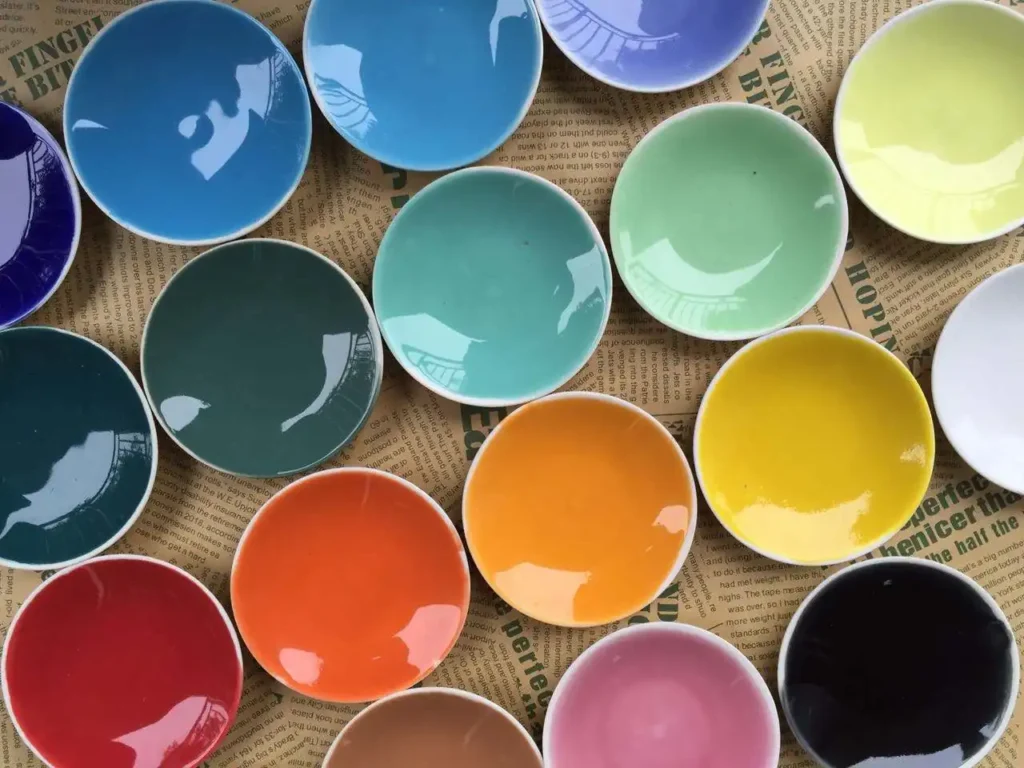
From daily-use ceramic tableware and architectural tiles to high-temperature industrial ceramic components, magnesium carbonate has always been a silent enabler. As the ceramic industry shifts toward high-end and green transformation, the research and application of nano-magnesium carbonate have allowed it to break through performance bottlenecks, making it suitable for high-end scenarios such as chip packaging and New Energy Vehicle (NEV) batteries. This small white powder, with its diverse and ingenious uses, is driving the continuous upgrade of the ceramic industry, bringing more high-quality ceramic products into every aspect of life.