
Messi Biology states that whether in the bonding of packaging cartons, the joints of construction panels, or manual DIY paper crafts, starch glue—an eco-friendly and robust adhesive—is silently playing a vital role. The ability of this glue to achieve high-efficiency bonding is inseparable from a key inorganic raw material: Magnesium Oxide (MgO). While it may seem ordinary, MgO is the “core soul” that transforms starch from a loose powder into a powerful adhesive, serving as an indispensable presence in industrial and handicraft sectors due to its green and efficient characteristics.
The Mechanism: From “Loose Powder” to “Strong Bond”
Magnesium oxide’s central role in starch glue stems from its unique chemical activity and physical synergy. Starch is the base material, but its inherent viscosity is weak; the gelatinization of starch granules alone cannot form a high-strength bond.
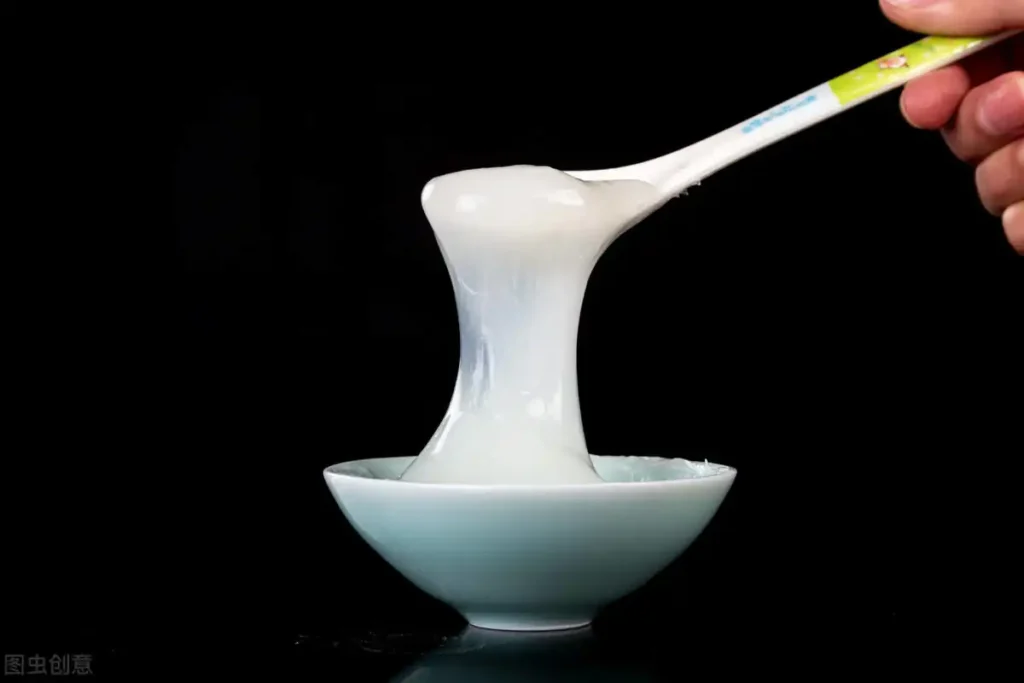
When magnesium oxide is added, it first undergoes a hydration reaction with water to form magnesium hydroxide, creating a mildly alkaline environment (pH 9-10). This alkalinity effectively breaks the hydrogen bonds within starch molecules, allowing the starch granules to fully absorb water, swell, and gelatinize into a uniform, viscous liquid. Simultaneously, the magnesium hydroxide produced by hydration undergoes a slight complexation reaction with the starch molecules. This enhances the liquid’s cohesion and adhesion, allowing the glue to not only bond firmly to substrates like paper and wood but also improve the toughness and water resistance of the adhesive layer, preventing cracking or peeling after drying.
Core Advantages: Superior to Traditional Additives
Compared to traditional additives like sodium hydroxide (caustic soda) or magnesium chloride, the advantages of magnesium oxide are particularly prominent:
- Non-Corrosive and Mild: Sodium hydroxide is overly alkaline and highly corrosive to substrates; any residue can compromise long-term bonding durability. In contrast, MgO is mild with moderate alkalinity, and its hydration reaction is gentle and controllable, ensuring it does not corrode porous substrates like paper or wood, nor does it produce irritating odors.
- Anti-Efflorescence (No “Halogen Return”): Magnesium chloride is prone to moisture absorption and “halogen return” (efflorescence), which causes the adhesive layer to turn white and deform. MgO avoids these issues.
- Flame Retardancy and Cost-Effectiveness: MgO is widely available and cost-effective. Furthermore, its hydration product, magnesium hydroxide, is a natural flame retardant. This enhances the fire resistance of the starch glue, meeting the safety requirements of industrial production.
Versatile Application Scenarios
In practice, magnesium oxide-enhanced starch glue is adapted to a wide range of scenarios:
- Industrial Sector: It is widely used for sealing cartons and paper bags, replacing traditional synthetic chemical glues. It meets the environmental protection requirements of food packaging, e-commerce, and logistics industries.
- Construction Industry: It is used for bonding lightweight partition boards and fiberboards. Its excellent moisture resistance allows it to meet the demands of humid environments.
- Handicrafts and DIY: Being non-toxic, odorless, and easy to clean, it is the preferred adhesive for children’s crafts and paper art.
- Adjustable Viscosity: The dosage of MgO can be adjusted to achieve different viscosities, making it suitable for everything from thin-coat bonding to thick gap-filling.
Safety, Durability, and Environmental Protection
For those concerned about safety and durability, magnesium oxide starch glue offers peace of mind. Professionally produced versions utilize industrial-grade, high-purity magnesium oxide (purity ≥95%), with strictly controlled impurity levels. It contains no residual harmful substances like formaldehyde or benzene and complies with the national standard GB18583-2008 (Limit of Harmful Substances of Adhesives for Indoor Decorating and Refurbishing Materials).
Once dried, the adhesive layer remains structurally stable with excellent resistance to aging and low temperatures, maintaining strong bonding strength in environments ranging from -20°C to 60°C. Furthermore, as magnesium is an essential trace element for the human body, trace residues in the adhesive layer pose no health risks. The glue is also naturally biodegradable and environmentally friendly.
Conclusion
From activating starch viscosity to enhancing the performance of the adhesive layer, and from replacing chemical glues to achieving green environmental protection, magnesium oxide—despite its tiny particles—supports the core value of starch glue. As a “green hero” in the adhesive field, Messi Biology’s magnesium oxide is enabling starch glue to shine across various industries, serving as a key representative of the transition toward sustainable bonding solutions.