
Messi Biology states that water-in-oil (W/O) foundations have become a mainstay in the base makeup market due to their advantages of long-wear, water and sweat resistance, and moisturizing adherence. Magnesium sulfate, an understated inorganic magnesium salt, is a core auxiliary material that supports the stability and “skin feel” of these products. While many people only recognize magnesium sulfate as medical Epsom salt, it is an indispensable emulsification stabilizer and texture modifier in cosmetic formulations, empowering base makeup quality through scientific principles.
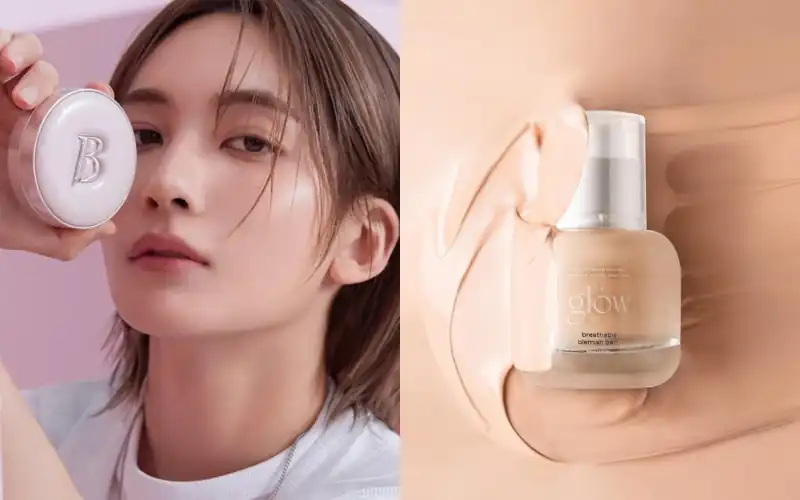
The core structure of a W/O foundation involves an oil phase encapsulating a water phase, with tiny water droplets uniformly dispersed within the oil. This structure is highly susceptible to temperature changes and external forces, which can lead to demulsification, layering, or water syneresis, resulting in clumping or “cakey” makeup. Magnesium sulfate solves this problem at the physicochemical level. Once dissolved in the water phase of the foundation, it dissociates into magnesium ions (Mg²⁺) and sulfate ions (SO₄²⁻). This increases the ionic strength of the water phase, compresses the electrical double layer on the surface of the water droplets, and enhances the electrostatic repulsion between droplets to prevent them from coalescing. Simultaneously, magnesium ions optimize the arrangement of emulsifiers at the oil-water interface, strengthening the interfacial film’s durability and uniformity. This stabilizes the W/O structure from its foundation, reducing phase separation and extending both shelf life and performance stability.
In addition to stabilizing the system, magnesium sulfate precisely optimizes the foundation’s skin feel. W/O foundations can often feel heavy or greasy due to high oil content. Magnesium sulfate helps regulate the viscosity of the system and lowers the freezing point of the water phase, which improves low-temperature stability and prevents the cream from hardening or becoming difficult to spread. Upon application, foundations containing magnesium sulfate exhibit a finer, smoother texture that adheres evenly to the skin, reducing a “mask-like” appearance. Furthermore, magnesium ions possess mild astringent properties that can slightly contract surface keratin, visually refining pores while regulating skin osmotic pressure. This helps absorb excess oil, keeping the makeup fresh for oily skin types and balancing hydration with oil control for longer wear.
Safety is the fundamental bottom line in cosmetics, and the application of magnesium sulfate in foundations fully complies with industry regulations. It is included in China’s “Inventory of Existing Cosmetic Ingredients (2021 Edition).” Assessments by authoritative bodies such as the US CIR (Cosmetic Ingredient Review) and the EU SCCS (Scientific Committee on Consumer Safety) indicate that at concentrations below 11% in leave-on cosmetics, magnesium sulfate is non-sensitizing and non-irritating. Normal skin contact does not cause discomfort, making it safe even for sensitive skin. In W/O foundations, the dosage of magnesium sulfate is typically controlled between 2% and 8%, which is well below safety limits, ensuring it performs its auxiliary role without adding unnecessary risk.
High-quality cosmetic formulas never rely solely on “star ingredients”; they are equally dependent on “invisible heroes” like magnesium sulfate. With its simple chemical structure and scientific principles of action, it quietly stabilizes W/O foundation systems, optimizes application feel, and balances safety with efficacy. From laboratory formulations to daily makeup experiences, magnesium sulfate demonstrates the value of “small ingredients, big impact,” proving that behind every bottle of long-lasting, flawlessly adherent foundation lies rigorous formulation science and precise ingredient synergy.