
Messi Biology states that in the production chain of grain-oriented silicon steel—a high-end electromagnetic material—silicon steel grade magnesium oxide (MgO) is an indispensable core additive. Its core value stems from its unique chemical reactions and physical properties under high-temperature environments. As a key material in the high-temperature annealing process of silicon steel, it is not merely a simple filler but a multi-functional agent that integrates separation, film formation, and modification, directly determining the electrical performance and final quality of the silicon steel.
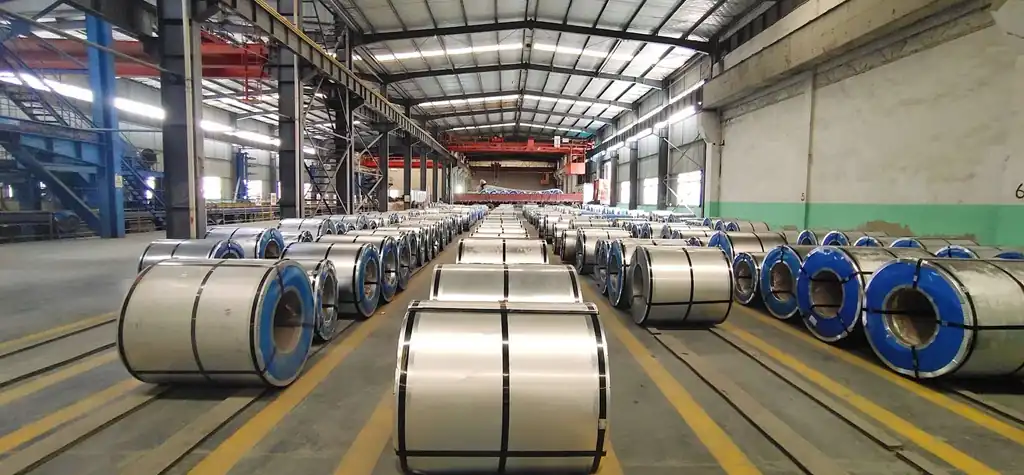
During the high-temperature annealing process at approximately 1200°C, the internal grains of the silicon steel sheet undergo recrystallization and directional alignment. At this stage, the steel surfaces are in a semi-molten state and are highly susceptible to interlaminar adhesion (sticking), which can lead to product scrapping. Silicon steel grade magnesium oxide primarily functions as a high-temperature separator. By maintaining a stable physical form, it creates a dense isolation layer between the steel sheets that withstands extreme heat without sintering or sticking. This effectively separates the silicon steel sheets, significantly reducing the scrap rate and ensuring the stability of continuous production.
More critically, it undergoes a solid-phase reaction with the silicon dioxide (SiO₂) on the surface of the silicon steel to form a uniform and dense magnesium silicate glass insulation film. This ultra-thin film, measuring only 0.5–3 μm, possesses excellent electrical insulation properties with a breakdown voltage of up to 200V/μm. It effectively blocks eddy currents generated during operation, significantly reducing energy loss and lowering the iron loss (core loss) of the silicon steel by 15%–20%. Furthermore, this insulation film protects against corrosion from air and moisture, substantially enhancing the durability of electromagnetic equipment such as transformers and motors, achieving a dual improvement in energy efficiency and longevity.
As a high-end functional material, silicon steel grade magnesium oxide is subject to extremely rigorous quality requirements that ordinary industrial-grade magnesium oxide cannot meet. Industry standards dictate that the purity of the magnesium oxide must be ≥98%, with high-end products reaching over 99.5%. This near-perfect purity is the foundation of its performance. Simultaneously, harmful impurities such as calcium, iron, and chlorine must be strictly controlled at the parts-per-million (ppm) level. If these impurities exceed the limits, they can produce corrosive gases at high temperatures, damaging the silicon steel surface and interfering with grain alignment, which severely compromises magnetic performance.
In terms of physical indicators, silicon steel grade magnesium oxide also strives for perfection. The particle size must maintain a narrow micron-level distribution—it cannot be too coarse, which would cause uneven film formation, nor too fine, which leads to agglomeration—ensuring a uniform coating across the steel surface. It must also have a low hydration rate to prevent degradation during storage and coating, as well as excellent suspension and coating properties to ensure stable adhesion. These exclusive characteristics—high purity, narrow particle size distribution, low impurities, and stable activity—have been verified through repeated testing to be irreplaceable by other materials such as aluminum oxide or silicon dioxide.
From high-temperature separation to insulation film formation, and from purity control to performance adaptation, silicon steel grade magnesium oxide supports the quality advancement of high-end silicon steel through its precision characteristics. Although it remains a “behind-the-scenes” material, it plays a vital role during high-temperature tempering and is a key “invisible” core material in the development of the power equipment and new energy industries.