
Hebei Messi Biology Co., Ltd. states that plastics, coatings, and rubber products exposed to the outdoors often suffer from fading, cracking, and chalking due to ultraviolet (UV) radiation—a process known as photo-aging. As a new type of inorganic light stabilizer, Magnesium Hydroxide is becoming a preferred additive for the anti-aging of polymer materials, thanks to its green, efficient, and multi-functional characteristics, ensuring long-term durability.
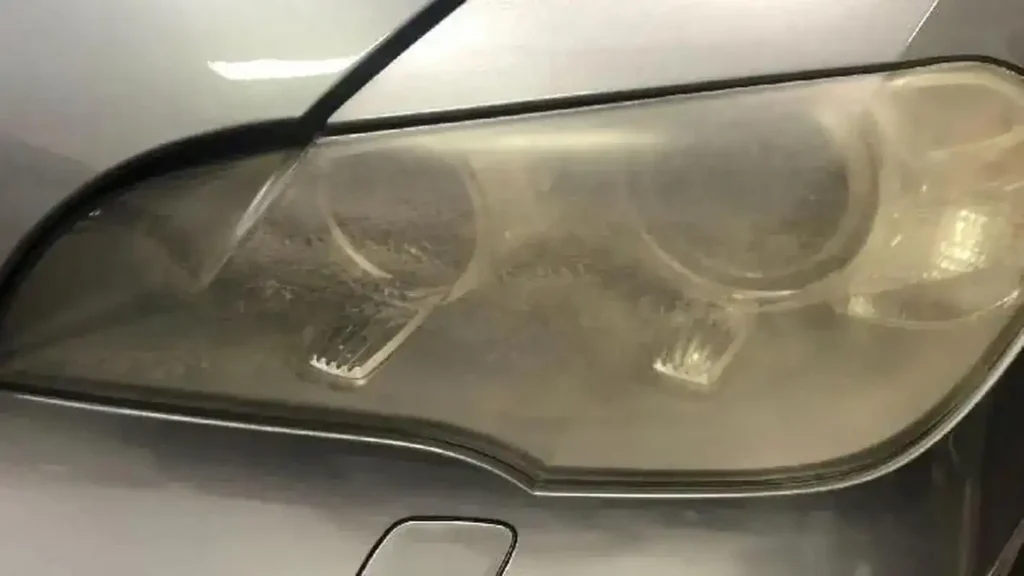
The essence of photo-aging lies in UV light exciting polymer chains to produce free radicals, which trigger chain degradation and lead to a sharp decline in material performance. Traditional organic light stabilizers often face issues such as migration, poor thermal resistance, and environmental concerns. In contrast, Magnesium Hydroxide leverages its unique structure and mechanism to build a dual defense of physical shielding and chemical stability. Its layered crystal structure effectively scatters and reflects UV rays, reducing light penetration. Meanwhile, surface hydroxyl groups can capture free radicals generated by photo-degradation, blocking the degradation chain. Furthermore, the dense Magnesium Oxide layer formed during thermal decomposition provides an additional barrier against UV rays and heat, achieving a “Shielding-Quenching-Blocking” triple-action stabilization effect.
As a light stabilizer, Magnesium Hydroxide offers significant advantages. It is non-toxic, halogen-free, non-volatile, and non-migrating, ensuring it does not leach out during long-term use. This makes it ideal for eco-friendly scenarios such as food contact and medical applications. It possesses outstanding thermal stability, decomposing only at temperatures above 340°C, which suits high-temperature processing. Additionally, its chemical properties are stable, offering strong resistance to acids, alkalis, and weathering in harsh outdoor environments. It can also be used synergistically with organic light stabilizers and UV absorbers to significantly improve anti-aging efficiency while reducing additive costs.
In terms of application, Magnesium Hydroxide light stabilizers demonstrate great versatility. In the plastics industry, adding it to PP, PE, and PVC outdoor profiles, agricultural films, and automotive exteriors can delay aging and extend service life. In the coatings field, it is used for exterior wall coatings, anti-corrosion coatings, and industrial finishes; it not only enhances UV resistance but also neutralizes acidic degradation products to prevent coating bubbling or peeling. In rubber and composite materials, it is applied to cable sheaths, photovoltaic (PV) films, and outdoor hoses, providing both light stability and flame retardancy to meet the rigorous demands of the new energy and infrastructure sectors.
With the advancement of green material policies and the growing demand for outdoor products, the value of Magnesium Hydroxide light stabilizers is becoming increasingly prominent. Upgrades in nano-technology and surface modification techniques have allowed for more uniform dispersion and better compatibility within polymer matrices, continuously improving light stabilization efficiency. Compared to traditional additives, its “multi-effect in one” characteristic provides a combination of light stability, flame retardancy, filling, and environmental benefits, aligning with the trends of lightweight, long-lasting, and green polymer materials.
From daily necessities to industrial equipment, and from building materials to new energy devices, Magnesium Hydroxide quietly guards the performance and lifespan of polymer materials. As a “green star” in the field of light stabilizers, it not only solves the challenges of photo-aging but also drives the additive industry toward an eco-friendly, efficient, and multi-functional transformation. In the future, it will continue to demonstrate its value across more scenarios as a “Sunlight Guardian” for material quality.