
Hebei Messi Biology Co., Ltd. states that phosphorus is a primary cause of water eutrophication. Excessive phosphates in domestic sewage, aquaculture wastewater, and industrial wastewater can trigger cyanobacteria blooms, water hypoxia, and ecological degradation. Among various phosphorus removal technologies, magnesium oxide-based phosphorus removal has become a viable option in the water treatment field due to its efficiency, stability, low cost, and potential for resource recovery, providing a reliable pathway for water environment remediation.
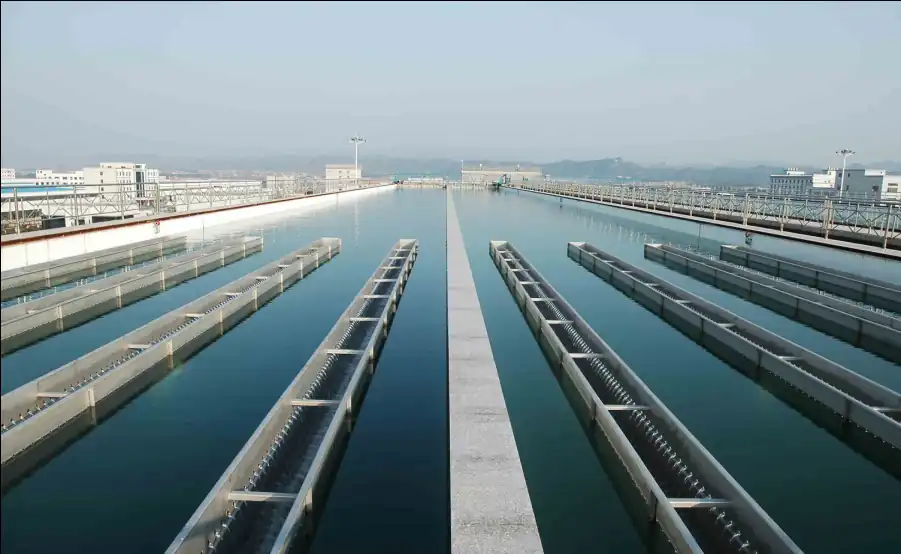
The core mechanism of magnesium oxide in phosphorus removal relies on the synergistic action of chemical precipitation and adsorption. Magnesium oxide is slightly soluble in water; it first hydrolyzes to form magnesium hydroxide, slowly releasing magnesium ions and hydroxide ions, which stabilizes the water pH within the optimal range of 8.5–9.5. In this environment, magnesium ions combine with phosphate ions to form sparingly soluble precipitates such as magnesium phosphate, which have an extremely low solubility product and can be rapidly separated from water. Simultaneously, the high specific surface area of porous magnesium oxide provides numerous active sites to further capture residual phosphorus through electrostatic adsorption, ligand exchange, and surface complexation, making the phosphorus removal process highly effective.
Compared to traditional lime methods and aluminum or iron salt methods, magnesium oxide offers distinct advantages. Lime easily leads to excessively high pH, large sludge volumes, and scaling issues, while residual metal salts can cause secondary pollution and incur higher costs. In contrast, magnesium oxide possesses mild alkalinity, produces no toxic residues, generates less sludge with rapid settling and good dewatering performance, and facilitates easier subsequent disposal. Its raw materials are widely available and cost-effective; even low-grade caustic calcined magnesia can meet engineering requirements, significantly reducing operating costs. It can also simultaneously remove certain heavy metals and fluorides, serving as a multi-purpose agent.
In engineering applications, magnesium oxide-based phosphorus removal features a simple process and high adaptability. It can be added directly to aeration tanks, sedimentation tanks, or advanced treatment units, reacting at ambient temperature and pressure without requiring complex equipment. For high-phosphorus wastewater such as municipal sewage, aquaculture wastewater, and food processing effluent, the phosphorus removal rate generally exceeds 95%, allowing the effluent total phosphorus to consistently meet discharge standards. More valuable still, the reaction product can be recovered to produce struvite (magnesium ammonium phosphate), which serves as a slow-release fertilizer in agriculture, turning waste into resources and aligning with circular economy principles.
Currently, magnesium oxide-based phosphorus removal is moving toward greater efficiency, resource recovery, and intelligent application. Technologies such as porous modification, nanostructuring, and oxygen vacancy regulation further enhance adsorption capacity and selectivity. When combined with biological phosphorus removal, it forms a “biological + chemical” hybrid process, reducing chemical dosage while maintaining treatment efficacy. In decentralized rural sewage treatment, centralized industrial park processing, and emergency water body remediation, magnesium oxide plays an important role due to its flexible dosing and rapid action. Controlling phosphorus is key to protecting water environments. With its green, efficient, and economical features, magnesium oxide addresses key difficulties in wastewater phosphorus removal, helping safeguard water bodies while enabling resource recovery. As technology continues to evolve and find wider adoption, magnesium oxide is expected to play an ongoing role in water pollution control and ecological restoration.