
Malaria, a deadly disease transmitted by mosquitoes, affects millions of people worldwide every year. Despite years of effort, malaria remains a major challenge to global public health, particularly in resource-constrained regions. In recent years, scientists have been actively seeking new strategies to combat this disease, and research into Magnesium Oxide Nanoparticles (MgO NPs) has brought a new ray of hope to malaria prevention and control.
The Current State and Challenges of Malaria
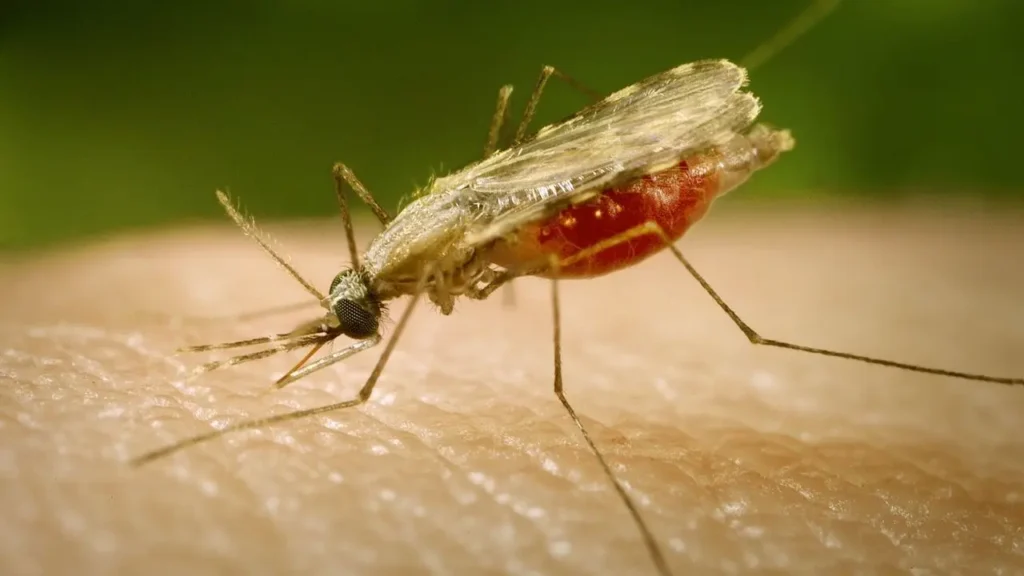
Malaria is primarily caused by Plasmodium parasites, which are transmitted to humans through the bites of infected female Anopheles mosquitoes. According to data from the World Health Organization (WHO), there were an estimated 249 million malaria cases and 608,000 deaths globally in 2022, the vast majority of which occurred in Africa. Children and pregnant women are the high-risk groups for malaria infection.
Currently, the primary methods for malaria control include insecticide-treated bed nets (ITNs), indoor residual spraying (IRS), and the use of antimalarial drugs for treatment and prevention. However, these methods face multiple challenges:
- Insecticide Resistance: Mosquitoes have developed resistance to commonly used insecticides, leading to a decline in prevention effectiveness.
- Parasite Drug Resistance: Plasmodium parasites have also developed resistance to some antimalarial drugs, making treatment more difficult.
- Environmental Concerns: The heavy use of chemical insecticides may pollute the environment and adversely affect non-target organisms.
- Resource Constraints: In many malaria-endemic areas, medical resources and economic conditions are limited, making it difficult to effectively implement existing control measures.
Therefore, the development of new, more effective, and environmentally friendly malaria control strategies is of vital importance.
The Potential of Magnesium Oxide Nanoparticles (MgO NPs)
Magnesium oxide nanoparticles are a material with broad application prospects, gaining attention due to their low toxicity, biocompatibility, and environmental friendliness. Recent studies indicate that MgO NPs have various potential uses in the biomedical field, including antibacterial, anticancer, and anti-inflammatory applications.
The potential of MgO NPs in malaria control focuses primarily on the following two aspects:
1. Larvicidal Activity (Killing Mosquito Larvae)
Some studies have shown that MgO NPs are toxic to mosquito larvae, effectively killing them to reduce mosquito populations and lower the risk of malaria transmission. This method is considered an environmentally friendly mosquito control strategy that can reduce reliance on chemical insecticides.
Specifically, the mechanisms of MgO NPs may include:
- Physical Damage: Nanoparticles can attach to the surface of larvae, causing physical damage and affecting normal physiological functions.
- Oxidative Stress: MgO NPs can induce oxidative stress, leading to a redox imbalance within the larvae, ultimately resulting in death.
- Ionic Toxicity: MgO NPs can release magnesium ions in water; high concentrations of these ions may be toxic to mosquito larvae.
Laboratory studies have demonstrated that at certain concentrations, MgO NPs can effectively kill various species of mosquito larvae, including Anopheles. For example, one study found that treating water with a specific concentration of MgO NPs could kill most Anopheles larvae within 24 hours.
2. Inhibition of Plasmodium Parasites
In addition to killing larvae, some research suggests that MgO NPs may have the ability to inhibit the growth and reproduction of Plasmodium parasites. This mechanism may be related to the antibacterial and anti-inflammatory properties of MgO NPs.
Specifically, MgO NPs may inhibit Plasmodium through:
- Direct Toxicity: MgO NPs may exert direct toxic effects on the parasite, inhibiting its growth and multiplication.
- Immunomodulation: MgO NPs may regulate the host’s immune system, enhancing its resistance to the parasite.
- Anti-inflammatory Effects: MgO NPs may alleviate the inflammatory response caused by malaria, reducing the severity of the disease.
However, current research on the inhibition of Plasmodium by MgO NPs is still in its preliminary stages and requires more experimental data to verify its effectiveness and safety.
Hypothetical Case Study Analysis
While specific research details were not provided, we can assume certain hypothetical cases to better understand the application of MgO NPs in malaria control.
- Case 1: Field Trials
In a hypothetical field trial in a malaria-endemic area, researchers applied MgO NPs to mosquito breeding sites, such as ponds and marshes. The results showed a significant reduction in the number of mosquito larvae in treated water compared to the untreated control group, followed by a decline in adult mosquitoes. Additionally, the local infection rate of malaria decreased in the area where MgO NPs were used. - Case 2: In Vitro Experiments
A hypothetical in vitro study examined the impact of MgO NPs on Plasmodium. Researchers cultured the parasites in media containing various concentrations of MgO NPs. The results showed that at certain concentrations, MgO NPs effectively inhibited parasite growth and reduced its ability to infect red blood cells. - Case 3: Animal Experiments
A hypothetical animal study investigated the therapeutic effect of MgO NPs on mice infected with malaria. The treatment group received MgO NPs, while the control group received a placebo. The results showed that the mice treated with MgO NPs had a lower parasite count and a higher survival rate.
These hypothetical cases suggest the potential application value of MgO NPs. However, it must be noted that these results require rigorous experimental validation.
Challenges and Future Outlook
Despite the promise shown by MgO NPs, several challenges remain:
- Safety: While MgO NPs are considered relatively safe, the impact of long-term exposure requires further study to evaluate potential risks to human health and the environment.
- Effectiveness: The insecticidal and inhibitory effects may be influenced by factors such as the size, shape, and concentration of the nanoparticles, as well as environmental conditions. Application methods must be optimized.
- Cost: The production cost of MgO NPs can be high. More economical production methods need to be developed for large-scale application.
- Resistance: Mosquitoes and parasites may develop resistance to MgO NPs. Resistance development must be monitored, and strategies to overcome it must be developed.
Future research should focus on optimizing nanoparticle characteristics, developing new application methods (such as combining MgO NPs with other antimalarials), and assessing long-term safety.
Summary and Assessment
Overall, magnesium oxide nanoparticles exhibit encouraging potential for malaria prevention and control. Their ability to kill mosquito larvae and inhibit Plasmodium parasites provides a new direction for developing effective and eco-friendly strategies. While research is in its infancy, there is reason to believe that MgO NPs will play an important role in the future of malaria control.
However, we must recognize that their application faces challenges regarding safety, efficacy, cost, and resistance. Before widespread implementation, more research is needed to ensure they are safe and effective. Furthermore, the application of MgO NPs should be integrated with existing measures—such as bed nets and monitoring—to form a comprehensive strategy.
In conclusion, while MgO NPs are expected to become a beneficial tool in the fight against malaria, their application requires cautious evaluation and scientific verification. Through continuous research, we can fully realize the potential of MgO NPs to contribute to the global cause of malaria eradication.