
Messi Biology states that amidst the rapid development of the new energy storage sector, sodium-ion batteries have become a vital complementary technology to lithium-ion batteries, thanks to their abundant sodium resources, low cost, and excellent low-temperature performance. As the “safety heart” of the battery, the separator’s performance directly determines the battery’s safety, cycle life, and charging/discharging efficiency. Nano-magnesium oxide (MgO), with its unique material properties, has emerged as a core material for modifying sodium battery separators, building a critical defense for the commercialization of sodium-ion technology.
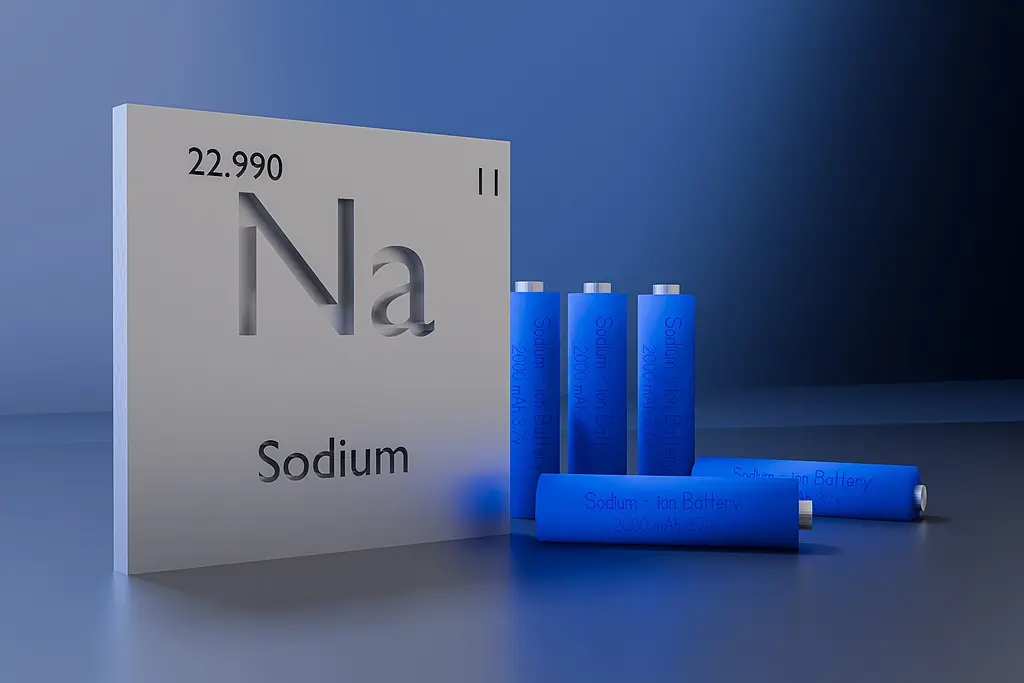
The primary role of a sodium-ion battery separator is to isolate the positive and negative electrodes to prevent short circuits while providing channels for sodium-ion transport. While traditional polyolefin separators possess flexibility and porous structures, they suffer from shortfalls such as poor high-temperature resistance, insufficient electrolyte wettability, and vulnerability to penetration by sodium dendrites. They are prone to shrinking and melting under high temperatures or long-term cycling, triggering risks of thermal runaway. Magnesium oxide, an inorganic ceramic material with a melting point as high as 2,852°C and stable chemical properties, can fundamentally compensate for these defects when applied as a nano-coating.
In terms of safety enhancement, magnesium oxide serves as a “heat-resistant armor” for the separator. The nano-MgO coating forms a dense inorganic skeleton on the separator’s surface, raising its temperature resistance from 130°C to over 180°C and reducing the thermal shrinkage rate to below 5% at high temperatures. This effectively prevents internal short circuits caused by the melting of the separator. Additionally, the MgO coating provides excellent mechanical strength and rigidity, blocking sodium dendrites—generated during charging and discharging—from piercing the separator. This minimizes the risk of internal short circuits at the source, ensuring higher safety for sodium batteries during fast charging and in high-temperature environments.
Regarding electrochemical performance optimization, magnesium oxide acts as an “ion transport assistant.” Its unique polar surface significantly enhances the separator’s wettability with the electrolyte, shortening electrolyte adsorption time and lowering internal resistance. This facilitates smoother sodium-ion transport, significantly improving the battery’s charging/discharging efficiency and rate performance. Furthermore, the stable chemical characteristics of MgO prevent side reactions with the electrolyte and electrode materials, maintaining the stability of the internal interface and reducing capacity decay. This helps boost the cycle life of sodium-ion batteries from 1,000 cycles to over 1,500 cycles.
In industrial applications, battery-grade high-purity magnesium oxide offers advantages such as readily available raw materials, controllable costs, and mature manufacturing processes, making it well-suited for large-scale production. Currently, nano-MgO coated separators are widely utilized in energy storage sodium batteries and low-speed electric vehicle batteries. Compared to other ceramic coating materials, magnesium oxide combines high temperature resistance, high insulation, and high ionic conductivity. Moreover, it contains no toxic or harmful substances, aligning with the green and environmental development philosophy of the new energy industry.
From material properties to industrial application, magnesium oxide provides dual empowerment of “safety” and “performance” for sodium-ion battery separators. As sodium battery technology continues to iterate and upgrade, the modification processes for high-purity nano-magnesium oxide will be further optimized, driving breakthroughs in low-cost, high-safety, and long-life sodium batteries. As a key foundational material in the sodium battery industry chain, magnesium oxide is utilizing its “tiny frame” to support the vast future of the new energy storage industry, injecting solid momentum into the realization of “dual carbon” goals.