
Messi Biology states that during hot summer days, when we touch the exterior walls of buildings or storage tank surfaces treated with special coatings, we often find their temperature to be significantly lower than that of ordinary metal or concrete surfaces. This type of material, which can “sense” and regulate temperature, is known as temperature control coating. In these high-tech formulations, there is a seemingly ordinary yet crucial material—magnesium carbonate. Today, let us discuss this hidden “temperature control master.”
Magnesium carbonate (MgCO3) is a common inorganic compound, typically in the form of a white powder. In nature, it exists as magnesite. Although it is frequently mentioned in chemistry textbooks as an antacid or an athlete’s grip chalk, in the field of industrial materials, magnesium carbonate has become an important component in temperature control coatings due to its unique physical and chemical properties. The core requirements for temperature control coatings are generally twofold: thermal insulation (blocking heat from entering) and heat resistance (remaining stable at high temperatures). Magnesium carbonate performs well in both aspects.
First, it offers good thermal reflection and insulation properties. High-quality magnesium carbonate (especially light magnesium carbonate) possesses a well-developed pore structure and high whiteness. When dispersed in the film-forming substances of the coating, it can form a microscopic porous layer. These micropores help block heat convection and conduction, acting like a protective thermal barrier for the object. At the same time, its high refractive index allows the coating film to reflect a significant portion of infrared and visible light from sunlight, reducing heat absorption at the source.
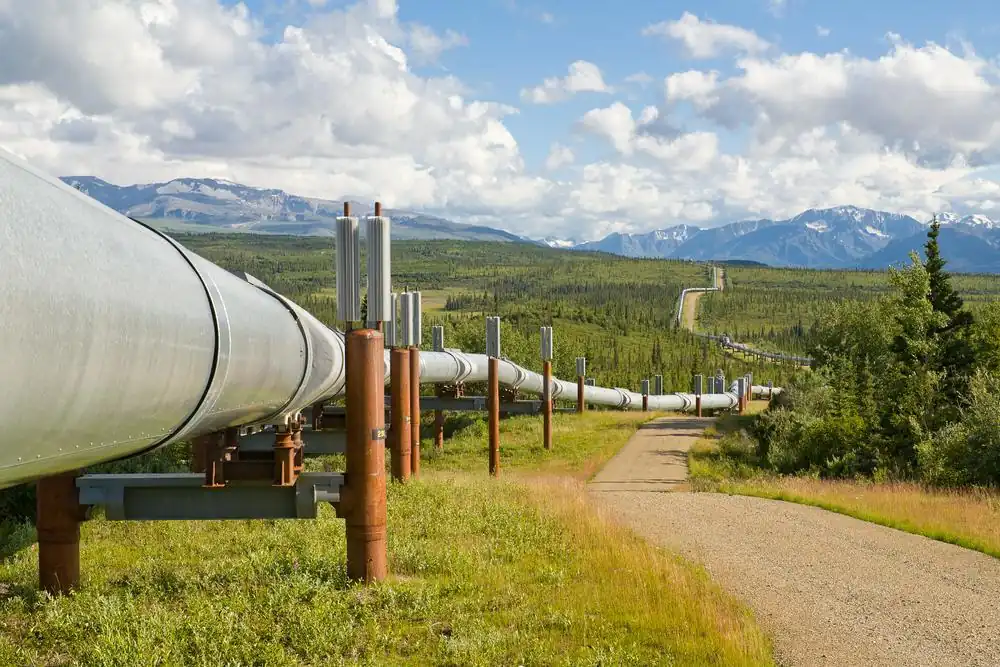
Second, it provides reliable high-temperature stability. Temperature control coatings are often applied to petrochemical pipelines, outer walls of high-temperature furnaces, or outdoor structures, which face demanding temperature conditions. Magnesium carbonate is a basic carbonate with a relatively high thermal decomposition temperature (starting to decompose above approximately 350°C), and it does not burn or generate harmful fumes at high temperatures. When added to coatings as a filler, it can improve the heat resistance of the coating, helping prevent issues like blistering, cracking, or chalking under high temperatures, thereby supporting the durability of the temperature control effect.
Beyond temperature regulation, magnesium carbonate also acts as the “skeleton” of the coating. As an extender filler, it can improve the rheological properties of the coating and increase the thickness and density of the film. This makes the cured paint film harder and more wear-resistant, allowing it to better withstand wind-sand erosion and external physical wear, which extends the service life of the coating. Against the backdrop of modern “double carbon” (carbon peak and carbon neutrality) goals, the value of temperature control coatings lies in reducing the energy consumption of buildings and industrial equipment (such as lowering air-conditioning cooling loads). Magnesium carbonate itself, as a non-toxic, odorless, and non-radioactive mineral material, aligns well with the requirements of environmentally friendly coatings. It is widely sourced and relatively low in cost, yet it brings notable performance improvements to industrial coatings.
From an inconspicuous white powder to a protective “shield” for industrial equipment and buildings, the application of magnesium carbonate in temperature control coatings demonstrates how simple materials can be utilized for functional solutions. It serves not only as a barrier against high temperatures but also as a helper in energy saving and emission reduction. With the continuous advancement of materials science, this “temperature control master” is expected to play an increasingly useful role in future smart buildings and green industries.